

Trade Logistics Intelligence: July 2, 2026 Weekly Brief
Executive Summary
The first week of July 2026 has been marked by continued geopolitical uncertainty, evolving shipping patterns, and renewed investment in global logistics infrastructure. Chemical supply chains remain under pressure from longer shipping routes, higher freight costs, and changing trade flows, while procurement teams continue to prioritize resilience, supplier diversification, and real-time logistics visibility.
This week's developments highlight the growing importance of strategic ports, maritime security, regulatory compliance, and data-driven procurement. Businesses that actively monitor these trends will be better positioned to manage supply chain risks and capitalize on emerging opportunities during the second half of 2026.
Key Logistics Developments This Week
1. Cape of Good Hope Routing Remains the Preferred Alternative
Major ocean carriers continue to maintain vessel routing around the Cape of Good Hope rather than using higher-risk maritime corridors. While this strategy enhances operational safety, it also results in:
Longer transit times.
Increased bunker fuel consumption.
Higher freight costs.
Greater working capital requirements.
Reduced effective vessel capacity.
Procurement teams should continue planning for extended lead times throughout the remainder of the year.
2. Port of Sohar Continues to Gain Strategic Importance
The Port of Sohar has strengthened its position as a major Gulf logistics gateway, supported by ongoing infrastructure investment and growing interest from international shipping companies.
Key advantages include:
Modern bulk and container facilities.
Integrated industrial and free zone infrastructure.
Strong regional connectivity.
Expanded logistics investment.
Diversified routing options for Gulf trade.
Its continued development supports greater resilience for regional chemical supply chains.
3. Maritime Security Remains a Key Market Driver
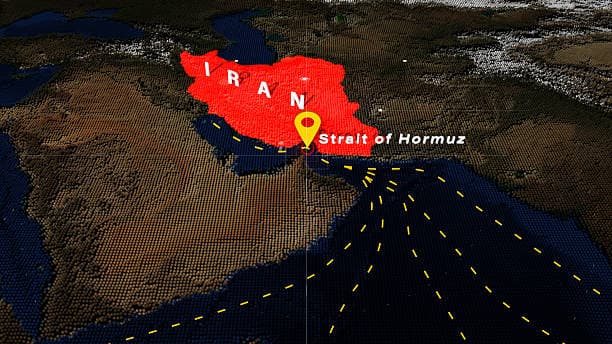
Recent diplomatic and technical discussions have continued to emphasize maritime safety and secure commercial navigation across strategic shipping corridors.
For logistics planners, continued monitoring of:
Vessel routing.
Shipping advisories.
Marine insurance conditions.
Port operations.
Regional security developments.
remains essential for maintaining supply continuity.
4. Regulatory Compliance Continues to Expand
Environmental regulations affecting chemicals and manufactured products continue to influence international trade.
Businesses are increasing focus on:
PFAS reporting and labeling.
Product traceability.
Supplier compliance documentation.
Sustainability reporting.
Cross-border regulatory monitoring.
Compliance has become an increasingly important element of procurement decision-making.
Market Impact on the Chemical Industry
Current logistics conditions continue to influence several chemical sectors.
Products most affected include:
Petrochemicals.
Industrial solvents.
Specialty chemicals.
Electronic chemicals.
Polymer resins.
Construction chemicals.
Water treatment chemicals.
Coatings raw materials.
Although material availability remains generally stable, transportation planning has become more complex.
Freight Market Overview
Current freight market characteristics include:
Elevated operating costs compared with historical averages.
Longer average voyage durations.
Continued insurance premium sensitivity in certain regions.
Improved port efficiency in several alternative logistics hubs.
Greater emphasis on end-to-end supply chain visibility.
Businesses should continue evaluating total landed cost rather than focusing solely on purchase price.
Procurement Priorities for the Week
Procurement teams should focus on the following priorities.
Review Inventory Positions
Ensure adequate stock levels for business-critical raw materials while avoiding unnecessary inventory carrying costs.
Strengthen Supplier Communication
Maintain regular contact regarding production schedules, shipment departures, and expected delivery dates.
Monitor Logistics Intelligence
Track freight market developments, vessel movements, port operations, and geopolitical developments affecting supply chains.
Diversify Sourcing
Evaluate opportunities to reduce concentration risk by qualifying suppliers across multiple regions.
Review Transportation Contracts
Assess freight agreements for surcharge mechanisms, transit commitments, and contingency provisions.
Risks to Watch
Several issues continue to require close attention.
These include:
Geopolitical tensions.
Freight rate volatility.
Marine insurance costs.
Regulatory developments.
Raw material price movements.
Shipping route adjustments.
Weather-related disruptions during the summer season.
A proactive approach to monitoring these factors will support more effective procurement planning.
Outlook for the Coming Weeks
The logistics environment is expected to remain dynamic throughout July as businesses adjust to evolving trade routes, regional infrastructure developments, and changing regulatory requirements. While shipping networks continue adapting to operational challenges, procurement teams should expect ongoing pressure on freight costs and delivery schedules.
Organizations that invest in digital logistics intelligence, diversified supplier networks, and collaborative supply chain planning will be better positioned to navigate market uncertainty while maintaining reliable access to essential chemical products.
Conclusion
The week of July 2, 2026 reinforces several long-term trends shaping global trade logistics: resilient routing strategies, expanding alternative logistics hubs, stronger regulatory oversight, and growing reliance on real-time supply chain intelligence.
For chemical manufacturers, distributors, and procurement professionals, success will increasingly depend on balancing cost efficiency with operational resilience. Companies that strengthen supplier relationships, monitor logistics developments, and adopt flexible procurement strategies will be best equipped to manage risk and support business continuity throughout the remainder of 2026.
Distillers Dried Grains with Solubles