
Borax Decahydrate (Technical Grade) - Argentina CAS: 1303-96-4

The sudden disruption in the Hormuz Strait has spotlighted the fragility of chemical supply chains. Companies now must rethink sourcing, diversify origins, and embed measurable resilience into ESG reports to regain investor trust. Learn how to turn crisis into ESG growth.

The UK’s entry into the Hormuz escort coalition is set to slash war‑risk insurance costs and strengthen supply chains for Gulf‑origin chemical imports in H2 2026. By bolstering maritime security, Britain can ensure safer, more reliable logistics for its critical chemical sector.

This weekly brief highlights Gulf logistics recovery, structural helium constraints, rising GLP‑1 solvent demand, shifting polymer duties in India, and imminent EU regulatory updates. Procurement teams must adjust sourcing strategies to navigate these evolving risks and opportunities.

The IMO dataset of 49 confirmed maritime incidents gives hospital pharmacy teams a structured roadmap to assess pharmaceutical exposure in the Gulf. By mapping API and chemical routes against high‑risk zones, procurement leaders can strategically plan Q3 logistics and safeguard patient care.
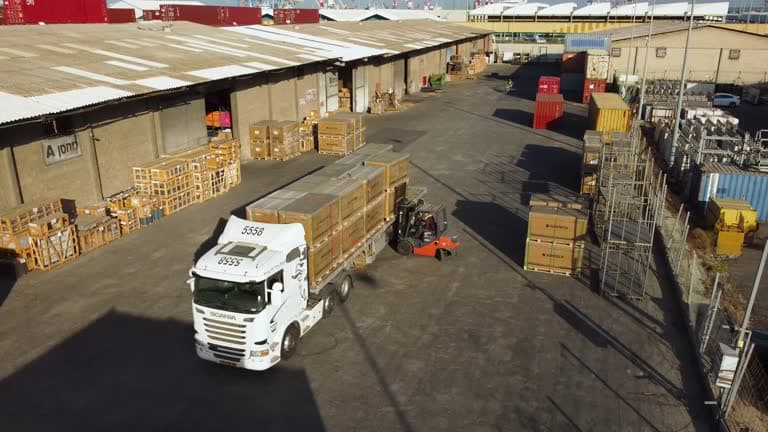
Three large DAP and MAP vessels have successfully transited the Strait of Hormuz, the longest‑held choke point in global fertilizer shipping. This milestone marks the first tangible evidence of a rebound in physical phosphate supplies after years of volatility. Industry analysts now see a clearer path toward balanced fertilizer markets.

USP-grade propylene glycol supply is beginning to improve as Gulf chemical logistics recover, but pharmaceutical-grade availability will lag industrial-grade by several weeks. Buyers should secure Q3 supplier volumes now before delayed demand pushes the market tighter again.
We're committed to your privacy. Tradeasia uses the information you provide to us to contact you about our relevant content, products, and services. For more information, check out our privacy policy.