


Related Insights
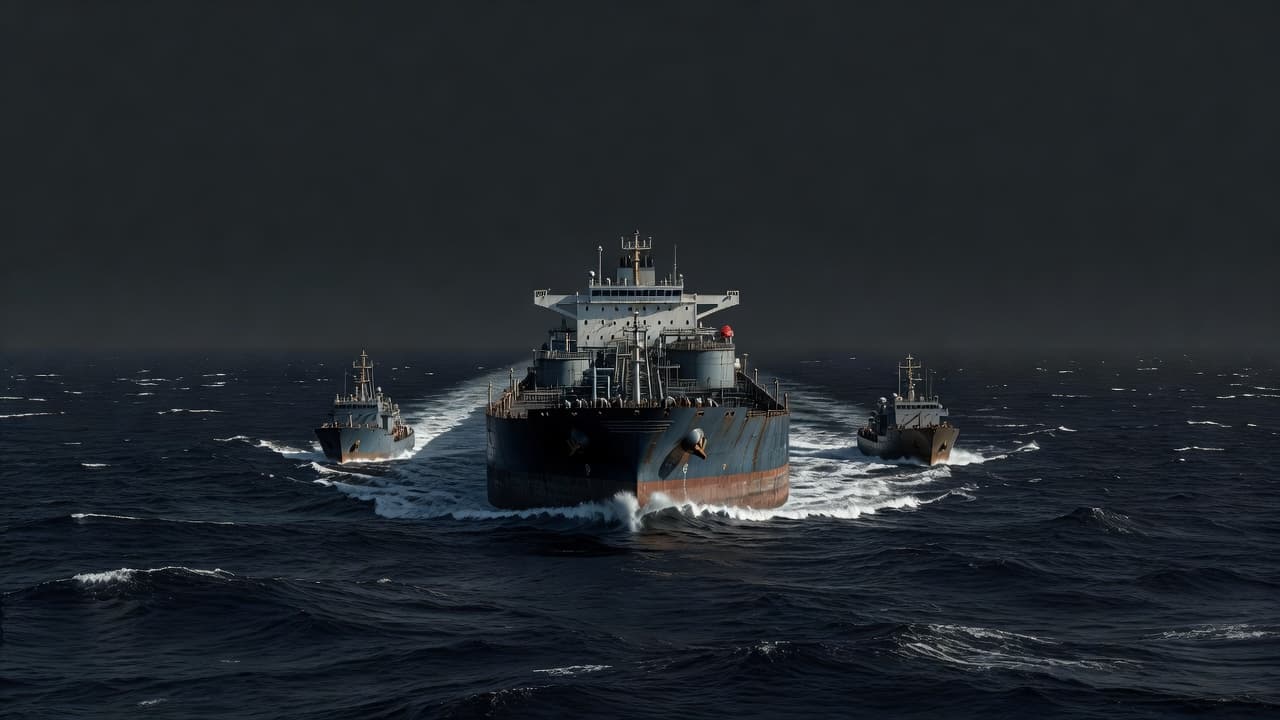
War-Risk Insurance Under Scrutiny: What Rising Gulf Premiums Mean for Chemical Trade
War-risk insurance premiums surged by around 50% during the earlier Gulf disruption, increasing logistics costs for chemical shipments. Procurement and compliance teams should understand how insurance pricing and regulatory oversight can influence sourcing decisions and freight budgets.

The 22,500 Mariners Stranded in the Gulf: What the Hormuz Human Cost Means for Chemical Procurement
More than 22,500 mariners remain stuck on over 1,550 vessels in the Persian Gulf, a human crisis behind every delayed chemical shipment. For procurement teams sourcing from Gulf producers, this is no longer a distant headline but a direct line item in supply chain risk.
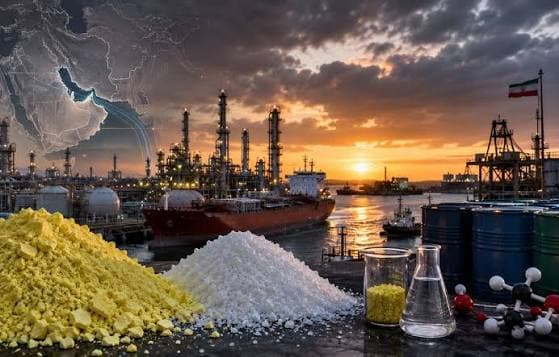
Methanol: Ar-Razi's Suspended Exports and the Japanese JV's Q3 Supply Gap
The suspension of methanol exports from Ar-Razi Saudi Methanol, one of the world’s largest methanol producers and a critical Mitsubishi Gas Chemical joint venture, became one of the most important supply disruptions of the 2026 Hormuz crisis. This week may determine whether improving shipping conditions finally allow commercial supply recovery to begin.
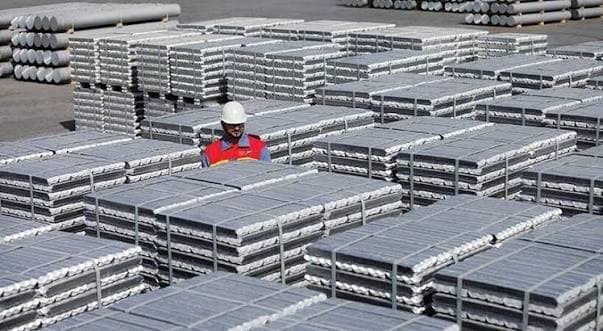
Aluminium and Gulf Metals: Emirates Global Aluminium and Alba Restart Watch
The 2026 Hormuz crisis stranded two of the world’s largest aluminium smelters — Emirates Global Aluminium and Alba Bahrain — quietly disrupting global supply for automotive, aerospace, and packaging manufacturers. With Gulf shipping conditions improving, aluminium logistics may recover faster than petrochemical markets in early H2 2026.
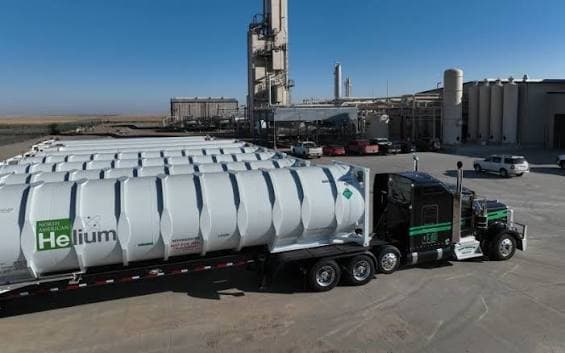
Helium: Qatar's LNG Halt and the Forgotten Supply Chain
The 2026 Hormuz crisis created one of the most overlooked commodity disruptions in global markets: helium. Damage to Qatar’s Ras Laffan LNG infrastructure reduced helium production capacity, creating a structural supply shortage that may persist for years even as shipping conditions across Hormuz begin improving.
Force Majeure Wind-Down in H1 2026: Legal and Commercial Reset for Chemical Supply Contracts
Force majeure declarations triggered by the Hormuz crisis are now entering a structured wind-down phase across chemical supply chains. Procurement and legal teams must formalise documentation to avoid pricing disputes, liability gaps and contract ambiguity in H2 2026.
Don't miss out on our updates! Subscribe to our newsletter now
We're committed to your privacy. Tradeasia uses the information you provide to us to contact you about our relevant content, products, and services. For more information, check out our privacy policy.