

Related Insights

Sanctions Deadline Cuts Off Iranian Oil Sales: Market Shock as of July 17
The July 17 deadline cuts off Iranian oil exports, sending ripples through global energy markets, shipping routes, and chemical supply chains. Analysts warn of price volatility, altered maritime logistics, and a shift in trade flows. Understanding these impacts is crucial for stakeholders worldwide.

Nutraceutical Supply: The Double Corridor Crisis and Amino Acid Logistics
Chinese amino acid producers (L-lysine, L-threonine, taurine, L-methionine, choline chloride) serve global nutraceutical
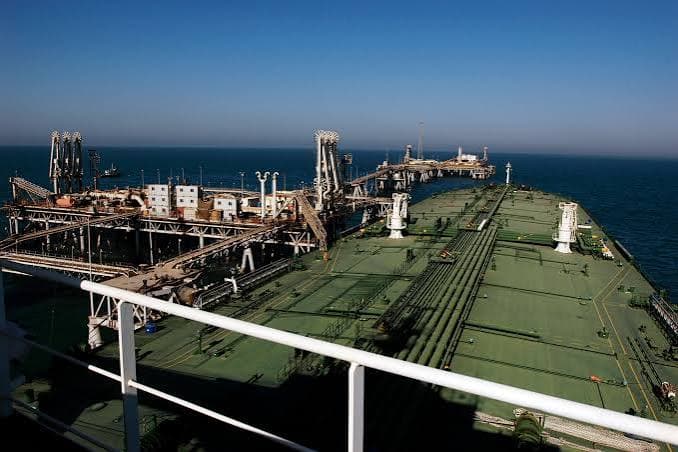
Iran’s “Service Fees”: What Toll-Based Passage Would Cost the Chemical Industry Annually
Iran’s proposal to charge “service fees” for Hormuz passage could permanently reshape the economics of global chemical trade. If transit charges become permanent, Gulf-origin chemical supply chains may face $500 million to $1.5 billion in additional annual costs that buyers will ultimately absorb through higher contract pricing.
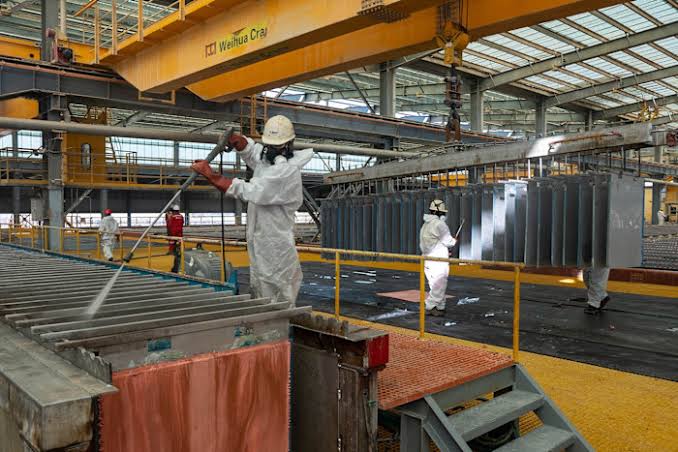
Sulfur Supply Recovery: Gulf Refinery By-Product and the 45% Global Share That Was Offline
The Hormuz crisis disrupted nearly 45% of global sulfur supply as Gulf refinery by-product exports collapsed for months. With vessel movement now improving, sulfur and sulfuric acid buyers may finally see the first meaningful cost relief in August after one of 2026’s most overlooked supply chain disruptions.

Commodity Chemical Intelligence: The Kpler 34 Framework for Reading Physical Recovery vs Diplomatic Progress
The most important lesson from 124 days of the 2026 Hormuz crisis is that physical supply recovery and diplomatic progress move independently. For chemical procurement teams planning Q3 supply, vessel crossing data from Kpler now matters far more than political statements coming out of Doha negotiations.
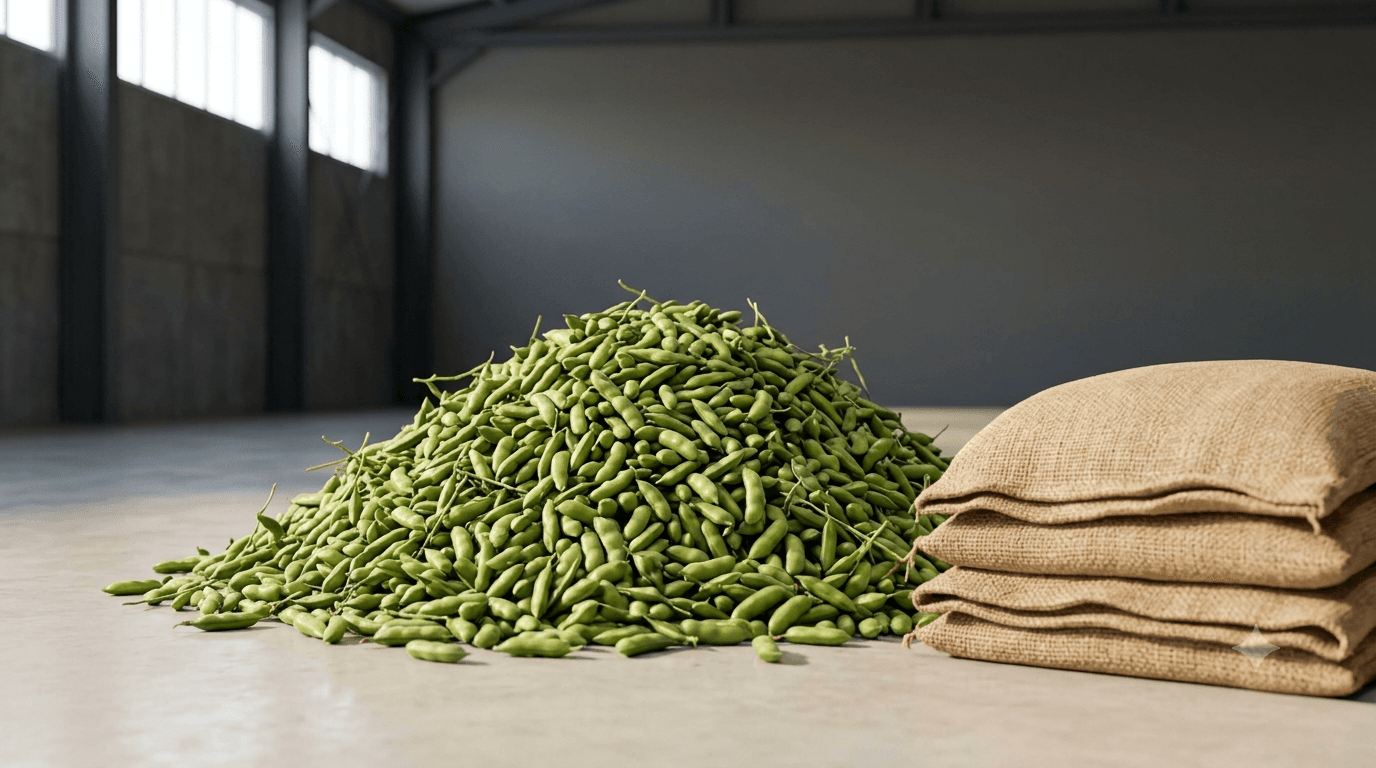
Guar Gum: Rajasthan Planting Intelligence and Implications for the 2026/27 Supply Season
The 2026 Rajasthan guar planting season will determine global guar gum availability for oilfield, food and industrial buyers over the coming year. Early monsoon progress has improved market sentiment, but rainfall distribution across key producing districts will decide whether procurement teams face abundant supply or tighter inventories.
Don't miss out on our updates! Subscribe to our newsletter now
We're committed to your privacy. Tradeasia uses the information you provide to us to contact you about our relevant content, products, and services. For more information, check out our privacy policy.