
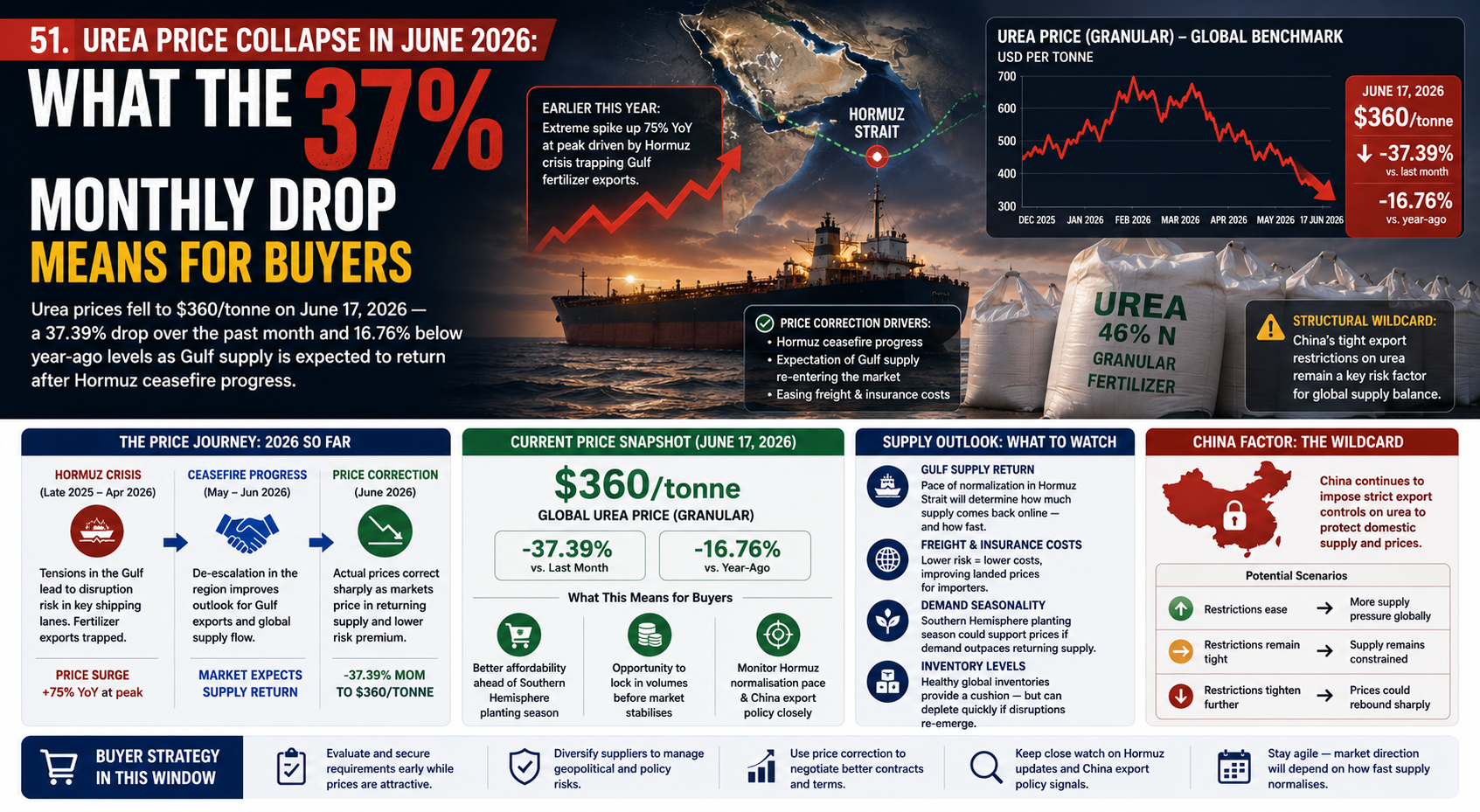
Urea (Granular) - Egypt CAS: 57-13-6
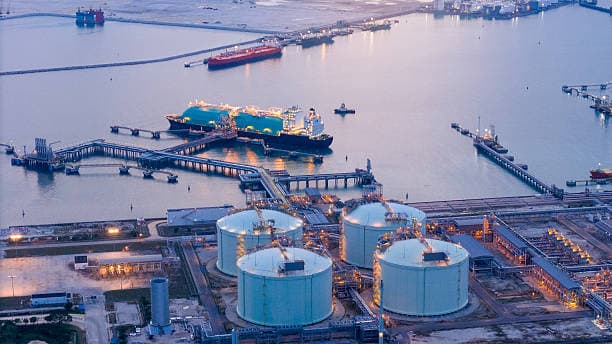
The recent persistence of DAP price strength underscores a tightening phosphate supply chain, heightened global fertilizer demand, and growing procurement risks for agriculture stakeholders. As phosphate trade remains constrained, buyers must reassess sourcing strategies amid volatile market conditions.
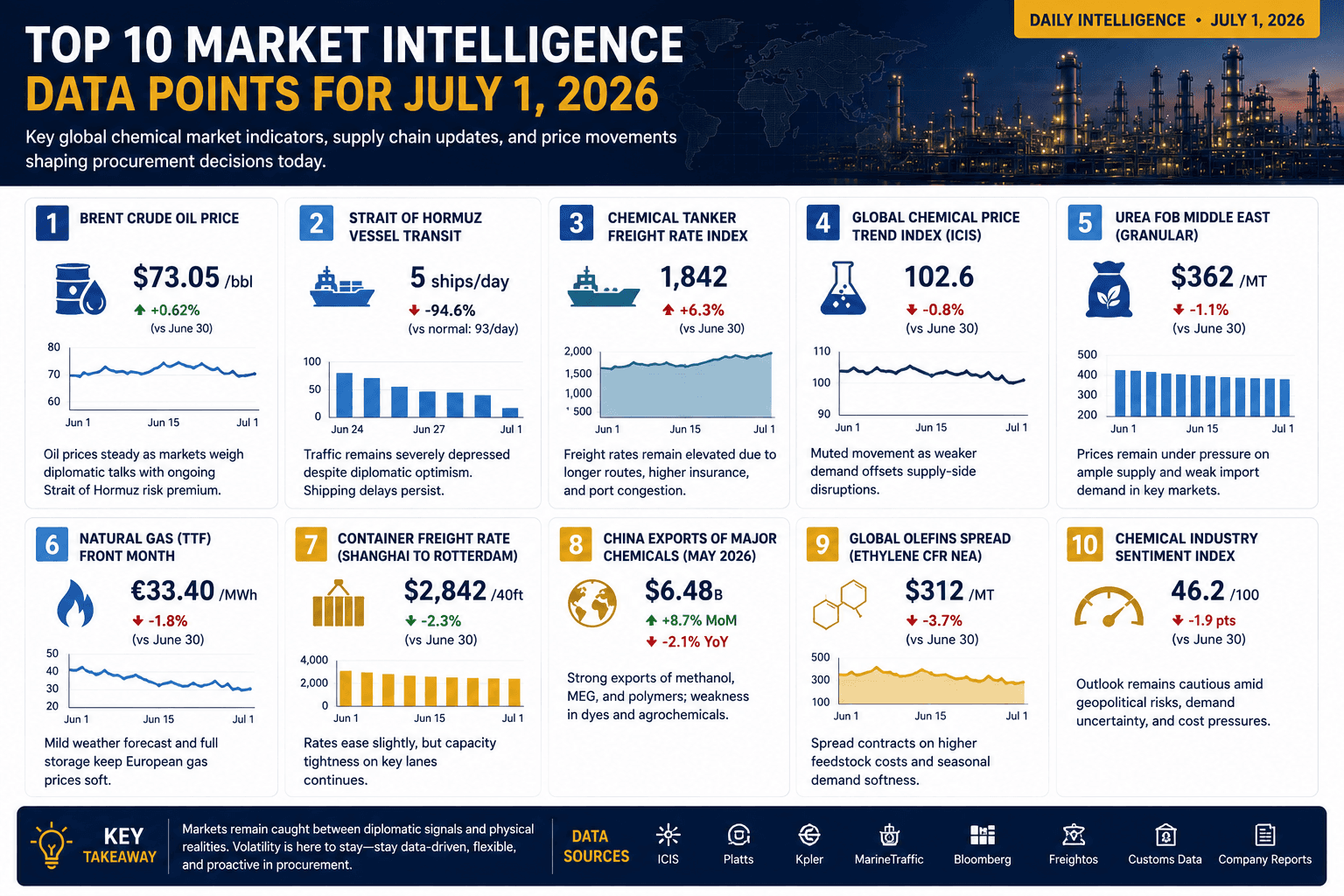
July 1 begins H2 2026 with conflicting market signals for chemical procurement professionals. While oil prices remain stable and diplomacy improves, shipping disruption, insurance risk, new regulations, and supply chain bottlenecks continue shaping one of the most complex operating environments the chemical industry has faced all year.

Guar gum buyers face pivotal H2 2026 decisions as Rajasthan planting advances while food and oilfield demand keeps the market buoyant. This article examines crop progress, price trends, and procurement strategies for the next two quarters.
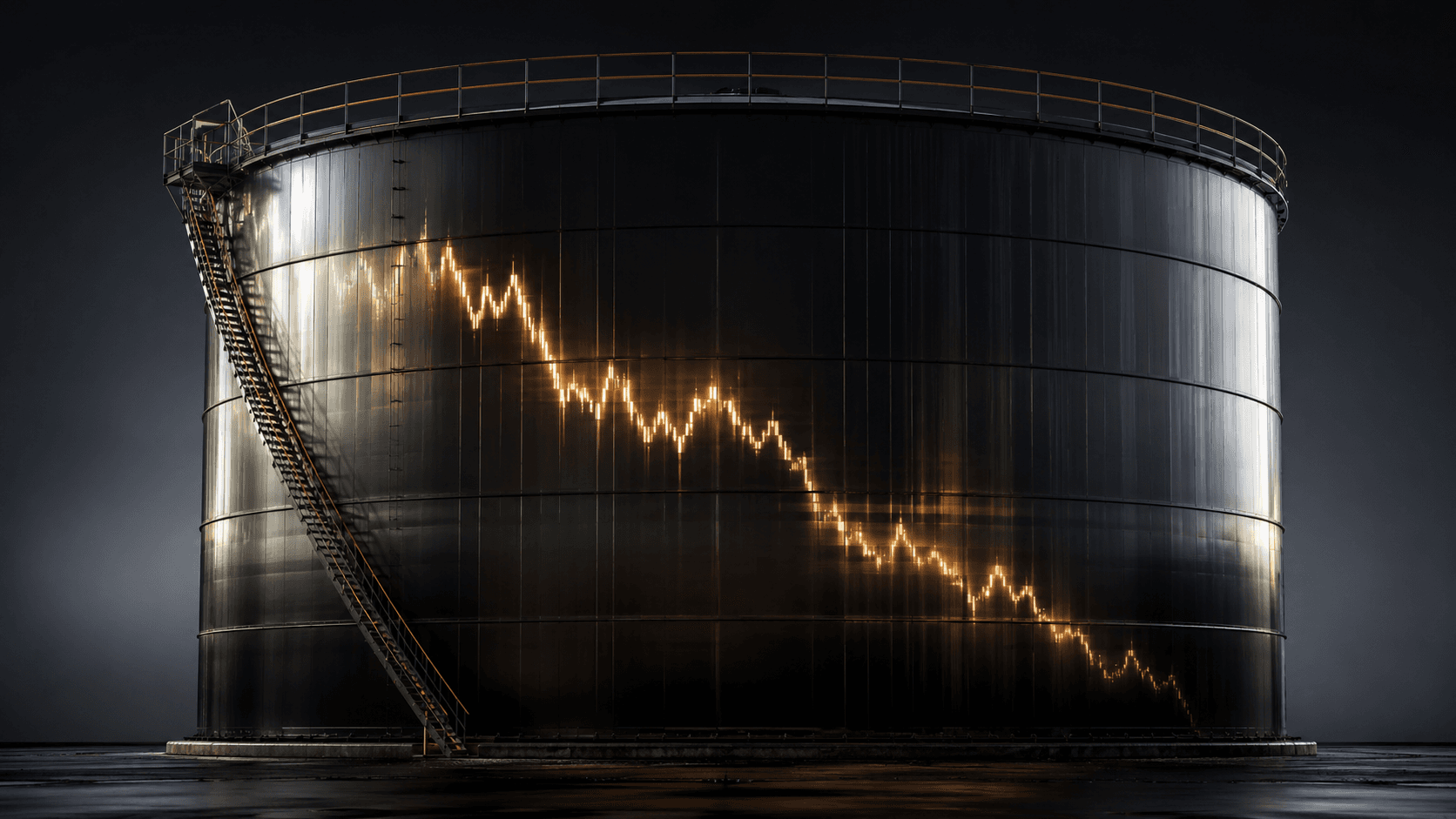
Brent crude has fallen below $80 per barrel after a dramatic correction from May highs, reshaping cost expectations across petrochemical value chains. Lower feedstock costs offer relief for producers and buyers, but elevated freight rates continue to complicate procurement decisions heading into Q3 2026.

Petrochemical markets are moving toward recovery as Brent prices ease, Hormuz transit improves and supply confidence returns. This outlook explains why price correction may happen slowly rather than through a sharp decline.
Northeast Asia’s benzene market is showing early signs of recovery as cracker operations improve and Gulf supply routes reopen. This analysis explains how gradual supply restoration may affect downstream chemical buyers in Q3 2026.
We're committed to your privacy. Tradeasia uses the information you provide to us to contact you about our relevant content, products, and services. For more information, check out our privacy policy.