
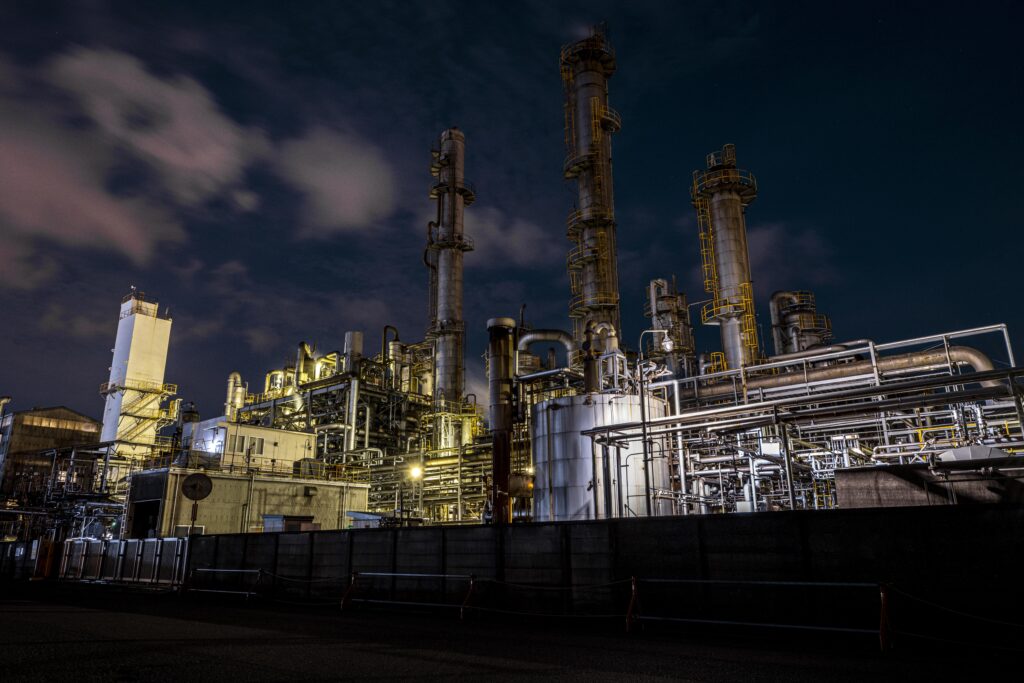
 According to Chief Financial Officer Shou Donghua, Sinopec, the largest refiner in the world by capacity, increased its refining profits in the first quarter by 17.5% year over year to $8.70 per barrel. With that increment, compared to the first three months of 2023, Sinopec Corp forecasts that China's demand for diesel and gasoline would increase in the second quarter.
Vice President Huang Wensheng informed the media and investors that China's apparent refined gasoline consumption had increased 6.7% year over year in the first quarter as the country's economy was rebounding after Beijing removed COVID regulations.
As per Reuters reports, Sinopec's first-quarter net income fell by 12% year over year as a result of lower global oil prices, according to company executives who spoke at the earnings briefing. However, improving refined margins, more gasoline sales, and higher natural gas prices helped to counterbalance this trend.
While domestic refined sales increased by 8.5% over the same period, Sinopec also profited from a lucrative export market, increasing fuel shipments by 112% year over year, according to Chief Financial Officer Shou. As Sinopec increased gasoline purchases from independent refiners by roughly 30%, Shou added, the company's domestic fuel sales increased in contrast to a 3% fall in its crude runs.
Due to western sanctions, China's independent refiners, often known as "teapots," have benefited in recent years from inexpensive crude oil from Iran, Venezuela, and more lately, Russia, oil dealers and analysts said.
Privately owned Jiangsu Shenghong Petrochemical and PetroChina's Guangdong Petrochemical, two recently opened refinery complexes, have added to the booming supplies of petrochemicals coming from mega-private refiner Zhejiang Petrochemical Corp and Hengli Petrochemical that began just a few years ago.
Vice President Huang stated without going into further detail that Sinopec, which also generates chemicals from coal and accounts for 10% of its chemicals sector, is moving forward with plans to invest in coal mines in Inner Mongolia, northern China.
References:
Chen AIzhu. 2023. Reuters: Sinopec sees China's fuel demand recovery gaining momentum. Retrieved from https://www.reuters.com/business/energy/sinopec-sees-chinas-q2-refined-fuel-demand-recovering-more-than-q1-2023-04-28/
Photo by freepik via https://www.freepik.com/
According to Chief Financial Officer Shou Donghua, Sinopec, the largest refiner in the world by capacity, increased its refining profits in the first quarter by 17.5% year over year to $8.70 per barrel. With that increment, compared to the first three months of 2023, Sinopec Corp forecasts that China's demand for diesel and gasoline would increase in the second quarter.
Vice President Huang Wensheng informed the media and investors that China's apparent refined gasoline consumption had increased 6.7% year over year in the first quarter as the country's economy was rebounding after Beijing removed COVID regulations.
As per Reuters reports, Sinopec's first-quarter net income fell by 12% year over year as a result of lower global oil prices, according to company executives who spoke at the earnings briefing. However, improving refined margins, more gasoline sales, and higher natural gas prices helped to counterbalance this trend.
While domestic refined sales increased by 8.5% over the same period, Sinopec also profited from a lucrative export market, increasing fuel shipments by 112% year over year, according to Chief Financial Officer Shou. As Sinopec increased gasoline purchases from independent refiners by roughly 30%, Shou added, the company's domestic fuel sales increased in contrast to a 3% fall in its crude runs.
Due to western sanctions, China's independent refiners, often known as "teapots," have benefited in recent years from inexpensive crude oil from Iran, Venezuela, and more lately, Russia, oil dealers and analysts said.
Privately owned Jiangsu Shenghong Petrochemical and PetroChina's Guangdong Petrochemical, two recently opened refinery complexes, have added to the booming supplies of petrochemicals coming from mega-private refiner Zhejiang Petrochemical Corp and Hengli Petrochemical that began just a few years ago.
Vice President Huang stated without going into further detail that Sinopec, which also generates chemicals from coal and accounts for 10% of its chemicals sector, is moving forward with plans to invest in coal mines in Inner Mongolia, northern China.
References:
Chen AIzhu. 2023. Reuters: Sinopec sees China's fuel demand recovery gaining momentum. Retrieved from https://www.reuters.com/business/energy/sinopec-sees-chinas-q2-refined-fuel-demand-recovering-more-than-q1-2023-04-28/
Photo by freepik via https://www.freepik.com/Sinopec Expects China's Fuel Demand Recovery to Pick Up Steam
 According to Chief Financial Officer Shou Donghua, Sinopec, the largest refiner in the world by capacity, increased its refining profits in the first quarter by 17.5% year over year to $8.70 per barrel. With that increment, compared to the first three months of 2023, Sinopec Corp forecasts that China's demand for diesel and gasoline would increase in the second quarter.
Vice President Huang Wensheng informed the media and investors that China's apparent refined gasoline consumption had increased 6.7% year over year in the first quarter as the country's economy was rebounding after Beijing removed COVID regulations.
As per Reuters reports, Sinopec's first-quarter net income fell by 12% year over year as a result of lower global oil prices, according to company executives who spoke at the earnings briefing. However, improving refined margins, more gasoline sales, and higher natural gas prices helped to counterbalance this trend.
While domestic refined sales increased by 8.5% over the same period, Sinopec also profited from a lucrative export market, increasing fuel shipments by 112% year over year, according to Chief Financial Officer Shou. As Sinopec increased gasoline purchases from independent refiners by roughly 30%, Shou added, the company's domestic fuel sales increased in contrast to a 3% fall in its crude runs.
Due to western sanctions, China's independent refiners, often known as "teapots," have benefited in recent years from inexpensive crude oil from Iran, Venezuela, and more lately, Russia, oil dealers and analysts said.
Privately owned Jiangsu Shenghong Petrochemical and PetroChina's Guangdong Petrochemical, two recently opened refinery complexes, have added to the booming supplies of petrochemicals coming from mega-private refiner Zhejiang Petrochemical Corp and Hengli Petrochemical that began just a few years ago.
Vice President Huang stated without going into further detail that Sinopec, which also generates chemicals from coal and accounts for 10% of its chemicals sector, is moving forward with plans to invest in coal mines in Inner Mongolia, northern China.
References:
Chen AIzhu. 2023. Reuters: Sinopec sees China's fuel demand recovery gaining momentum. Retrieved from https://www.reuters.com/business/energy/sinopec-sees-chinas-q2-refined-fuel-demand-recovering-more-than-q1-2023-04-28/
Photo by freepik via https://www.freepik.com/
According to Chief Financial Officer Shou Donghua, Sinopec, the largest refiner in the world by capacity, increased its refining profits in the first quarter by 17.5% year over year to $8.70 per barrel. With that increment, compared to the first three months of 2023, Sinopec Corp forecasts that China's demand for diesel and gasoline would increase in the second quarter.
Vice President Huang Wensheng informed the media and investors that China's apparent refined gasoline consumption had increased 6.7% year over year in the first quarter as the country's economy was rebounding after Beijing removed COVID regulations.
As per Reuters reports, Sinopec's first-quarter net income fell by 12% year over year as a result of lower global oil prices, according to company executives who spoke at the earnings briefing. However, improving refined margins, more gasoline sales, and higher natural gas prices helped to counterbalance this trend.
While domestic refined sales increased by 8.5% over the same period, Sinopec also profited from a lucrative export market, increasing fuel shipments by 112% year over year, according to Chief Financial Officer Shou. As Sinopec increased gasoline purchases from independent refiners by roughly 30%, Shou added, the company's domestic fuel sales increased in contrast to a 3% fall in its crude runs.
Due to western sanctions, China's independent refiners, often known as "teapots," have benefited in recent years from inexpensive crude oil from Iran, Venezuela, and more lately, Russia, oil dealers and analysts said.
Privately owned Jiangsu Shenghong Petrochemical and PetroChina's Guangdong Petrochemical, two recently opened refinery complexes, have added to the booming supplies of petrochemicals coming from mega-private refiner Zhejiang Petrochemical Corp and Hengli Petrochemical that began just a few years ago.
Vice President Huang stated without going into further detail that Sinopec, which also generates chemicals from coal and accounts for 10% of its chemicals sector, is moving forward with plans to invest in coal mines in Inner Mongolia, northern China.
References:
Chen AIzhu. 2023. Reuters: Sinopec sees China's fuel demand recovery gaining momentum. Retrieved from https://www.reuters.com/business/energy/sinopec-sees-chinas-q2-refined-fuel-demand-recovering-more-than-q1-2023-04-28/
Photo by freepik via https://www.freepik.com/Related Insights

Top 10 Specialty Chemical Intelligence Data Points – July 3, 2026
Discover the 10 market indicators shaping specialty chemical procurement this week, from logistics recovery and energy markets to compliance milestones and supply chain planning.

GLP-1 API Manufacturing: India's Scale-Up Race and Procurement Priorities for H2 2026
India's pharmaceutical industry is rapidly expanding GLP-1 API manufacturing capacity to meet growing global demand. Securing peptide raw materials and specialty solvents will be critical for maintaining production through H2 2026.

July Cracker Restart: Japan’s Petrochemical Market Shifts
Japan’s steam cracker operators are finalising July operating rates that will shape Q3 supply and pricing. With Brent at $72.60, a positive naphtha crack spread signals renewed demand for ethylene derivatives, polystyrene and benzene chain chemicals. Buyers should act this week to secure volumes.
Guar Gum: How Rajasthan’s 2026 Monsoon Will Shape 2026/27 Pricing
The monsoon season in Rajasthan is a critical determinant of guar crop yields and, by extension, guar gum prices. With 2026’s rainfall patterns still uncertain, producers and buyers must monitor weather forecasts closely to anticipate supply shifts. This article explores how monsoon dynamics, crop health and market mechanisms will influence 2026/27 pricing and procurement decisions.
Sorbitol Market Shift: Palm vs Corn Glucose Feedstock Creates Sourcing Edge for China
The sorbitol market is witnessing a decisive feedstock shift as corn glucose gains traction over palm and tapioca options. This divergence is lowering sorbitol pricing for Chinese producers and opening new sourcing opportunities, but buyers must also consider EUDR compliance to secure long‑term supply chains.

Corn Starch and Glucose: USDA Crop Condition Data and H2 2026 Food Ingredient Cost Trajectory
USDA crop condition reports are providing the first meaningful indicators for second-half food ingredient pricing. With US corn conditions tracking near historical trend levels and freight costs beginning to ease, the outlook for starch, glucose and derivative ingredients appears more stable than many buyers expected earlier this year.
Don't miss out on our updates! Subscribe to our newsletter now
We're committed to your privacy. Tradeasia uses the information you provide to us to contact you about our relevant content, products, and services. For more information, check out our privacy policy.