
Related Insights
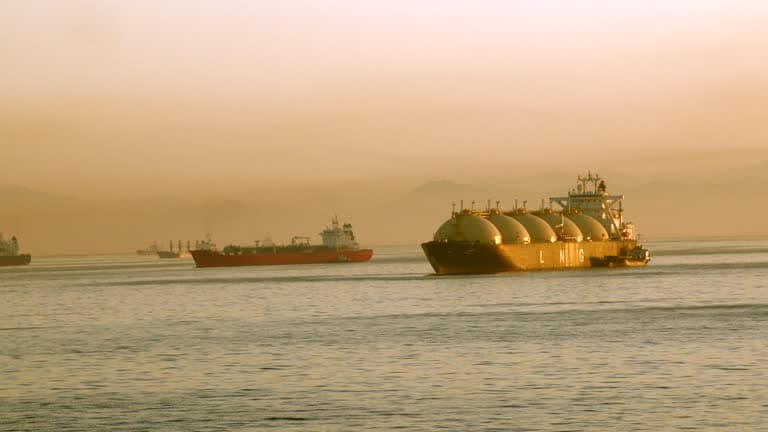
Insurance Withdrawal, Not Physical Blockade, Is What Actually Stops Hormuz Shipping
Insurance withdrawals can halt shipping through the Strait of Hormuz faster than any physical blockade. When insurers pull war‑risk coverage, tanker and chemical cargoes face costly delays, forcing operators to seek alternative routes or pay premium rates.

ESG Ratings in a Crisis: Hormuz as a Test of Chemical Company Supply Chain Resilience
The sudden disruption in the Hormuz Strait has spotlighted the fragility of chemical supply chains. Companies now must rethink sourcing, diversify origins, and embed measurable resilience into ESG reports to regain investor trust. Learn how to turn crisis into ESG growth.
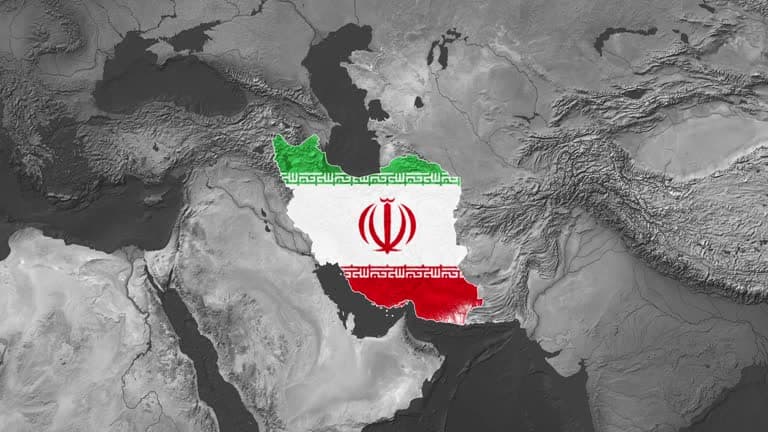
Iran's Hormuz Service Fees: A New Cost Layer for Gulf Chemical Trade
Iran’s proposed Hormuz transit fees could add $500–750 million annually to global chemical trade costs, creating a permanent landed‑cost increase for Gulf‑origin chemicals. This article analyzes the fee structure, its impact on petrochemical freight risk, and strategies for 2026 chemical procurement.

Electronic Chemicals and the Semiconductor Supply Chain: Congress Tightens Focus on Critical Minerals
Electronic chemicals and specialty gases are now seen as defense‑critical, as a July 2026 CRS report highlighted the risk of Hormuz disruptions to sulfur and rare‑gas supplies. Congress is moving to classify these materials, unlocking federal incentives and reserve mechanisms. Procurement managers must map their portfolios to align with the new security‑of‑supply framework.
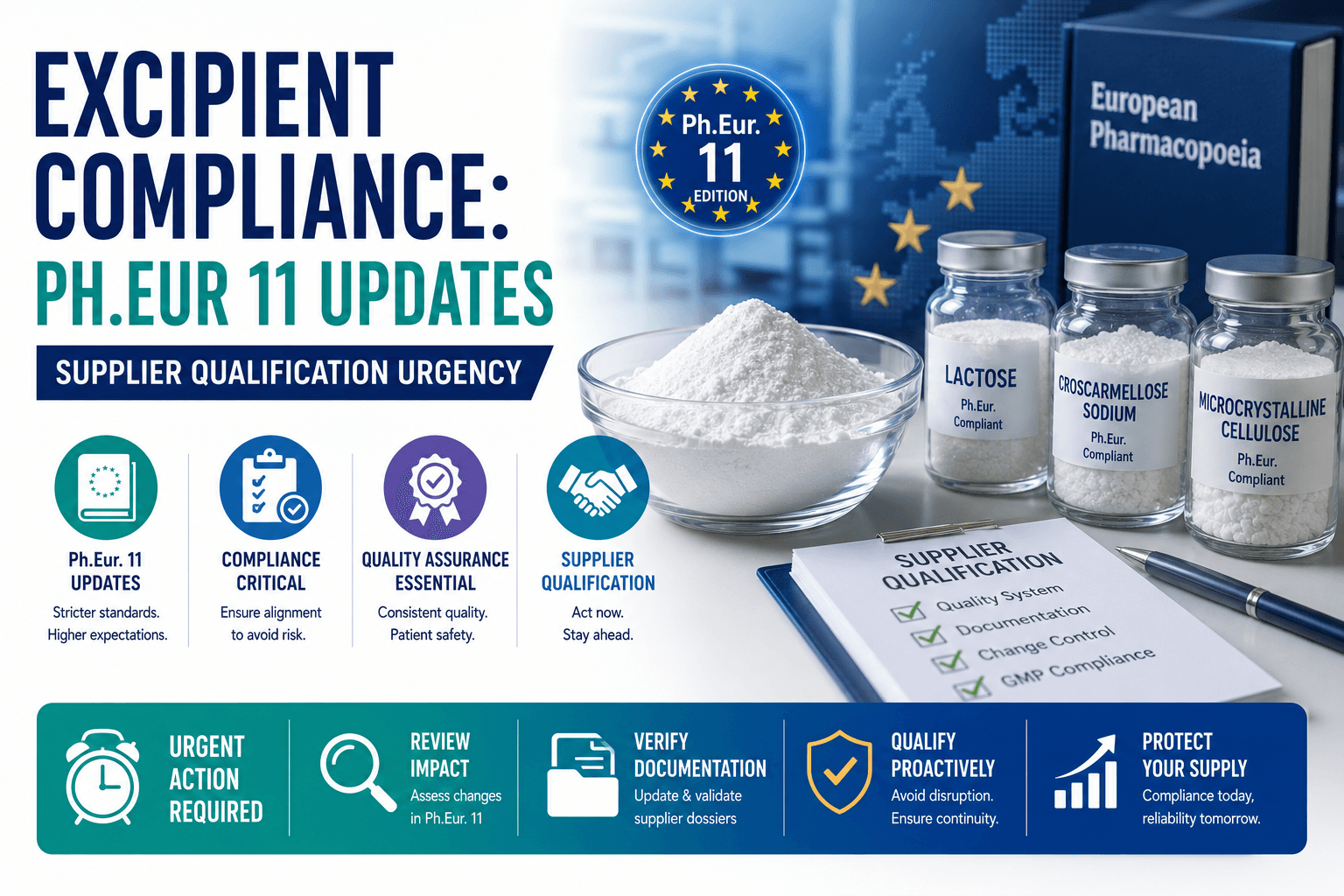
Excipient Compliance: Ph.Eur 11 Updates and Supplier Qualification Urgency
Ph.Eur 11 introduces updated compliance standards for pharmaceutical excipients in 2026, requiring suppliers to provide revised CoA documentation and updated testing procedures. Procurement teams should immediately verify supplier readiness to avoid regulatory and supply chain risk.
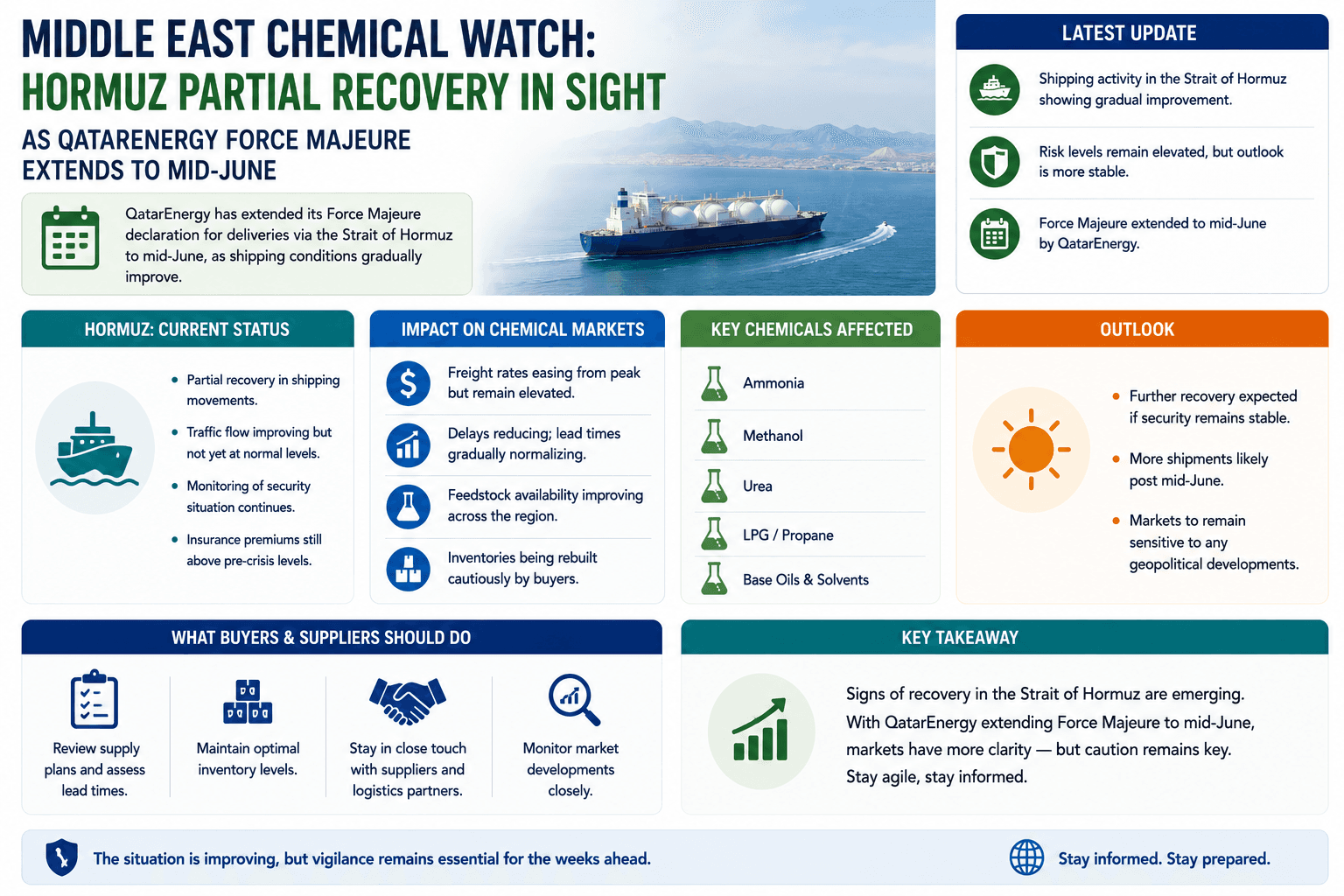
Middle East Chemical Watch: Hormuz Partial Recovery in Sight as QatarEnergy Force Majeure Extends to Mid-June
Middle East chemical supply recovery after the Hormuz crisis will likely take far longer than expected. With QatarEnergy extending force majeure and ICIS forecasting a 12–18 month normalization period, buyers should prepare for prolonged pricing pressure through H2 2026.
Don't miss out on our updates! Subscribe to our newsletter now
We're committed to your privacy. Tradeasia uses the information you provide to us to contact you about our relevant content, products, and services. For more information, check out our privacy policy.