

Electronic chemicals and specialty gases have moved from niche commercial commodities to strategic assets that underpin the U.S. semiconductor and defense industries. The July 2026 Congressional Research Service (CRS) report highlighted that near‑total disruption of critical mineral flows through the Strait of Hormuz poses a direct risk to the supply of sulfur and rare gases essential for wafer processing.
Why Sulfur Matters
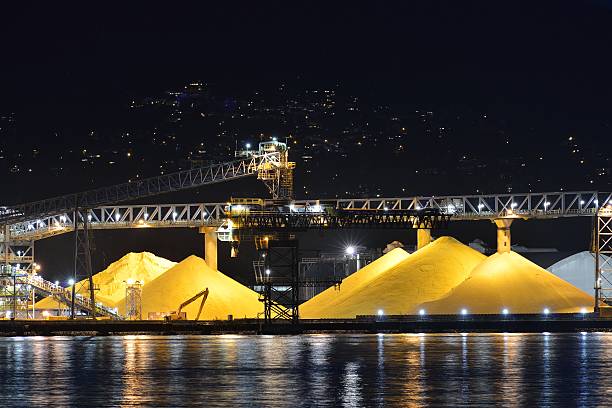
Sulfur is the raw material for sulfuric acid, the backbone of semiconductor wafer cleaning, etching, and photoresist formulation. A single‑digit percentage drop in sulfur supply can halt a fabrication line for days, amplifying production costs and delaying product launches. Because sulfur is mined in concentrated regions—most notably in the Middle East—political instability or maritime blockages can cascade into a global shortage.
Supply Chain Vulnerabilities
Limited mining regions create geographic concentration risk.
Transportation routes through the Strait of Hormuz are chokepoints susceptible to geopolitical tensions.
Processing plants in the U.S. rely on imported sulfuric acid rather than domestic production.
The Gas Frontier: Neon, Krypton, Helium and More
Rare gases are indispensable for advanced lithography, plasma etching, and wafer cooling. Neon and krypton enable high‑resolution extreme ultraviolet (EUV) lithography, while helium is critical for cryogenic cooling of deep‑UV lasers. Helium shortages have already forced manufacturers to seek alternative cooling methods, incurring significant capital expenditures.
Strategic Reserve Implications
Helium reserves in the U.S. are projected to deplete by 2029 without new domestic sources.
Neon and krypton are not currently held in strategic stockpiles, exposing fabrication plants to market volatility.
Consolidation of gas suppliers in a few countries increases political leverage over the supply chain.
Congressional Response: From Recognition to Action
The CRS report catalyzed a legislative conversation that culminated in the CHIPS Act 2026. The Act expands the definition of “critical minerals” to include compounds and chemicals that are indispensable to semiconductor manufacturing. This reclassification brings electronic chemicals and specialty gases into the realm of defense‑critical commodities.
Key Provisions of the CHIPS Act 2026
Federal incentives for domestic production of sulfuric acid and high‑purity gases.
Priority allocation mechanisms for critical chemicals during supply disruptions.
Funding for strategic reserves of sulfuric acid, helium, neon, and krypton.
Tax credits for companies that invest in supply‑chain resilience and domestic processing.
Impact on Procurement Managers
With the shift to a security‑of‑supply framework, procurement professionals must re‑evaluate the risk profiles of their chemical portfolios. Materials that were previously considered standard industrial supplies—such as high‑purity sulfuric acid, hydrogen peroxide, CMP slurries, and photoresists—are now subject to new sourcing guidelines and potential export controls.
Mapping the Portfolio
Identify all electronic chemicals and specialty gases currently used in the fabrication process.
Assess each item against the new critical mineral criteria defined by the CHIPS Act.
Prioritize sourcing from domestic or geopolitically stable suppliers for items flagged as critical.
Develop contingency plans that include alternative feedstocks or process adjustments.
Strategic Supplier Engagement
Establishing long‑term contracts with suppliers that can demonstrate resilient supply chains is now more valuable than ever. Contract clauses should include:
Escalation rights in the event of a supply disruption.
Performance guarantees tied to delivery timelines and purity specifications.
Shared risk mitigation strategies, such as joint stockpile arrangements.
Future Outlook
The intersection of electronic chemicals, critical minerals, and semiconductor manufacturing is poised for rapid evolution. As Congress continues to refine policy, companies that proactively align their procurement strategies with the new framework will secure a competitive advantage. Failure to adapt could result in costly production halts, reduced market share, and diminished support from federal programs.
In summary, electronic chemicals and specialty gases have transcended their commercial origins to become strategic defense assets. The CHIPS Act 2026 marks a pivotal shift, offering incentives and protections for those who recognize and act on the critical mineral dependencies that underpin the semiconductor supply chain.
Sodium Sulphate Anhydrous CAS: 7757-82-6