
Carbon Black (N110) - India CAS: 1333-86-4

The withdrawal of P&I insurance during the earlier Hormuz disruption sparked discussion about government-backed insurance solutions for commercial shipping. Chemical procurement and compliance teams should understand how future insurance frameworks could influence freight costs and supply chain resilience.
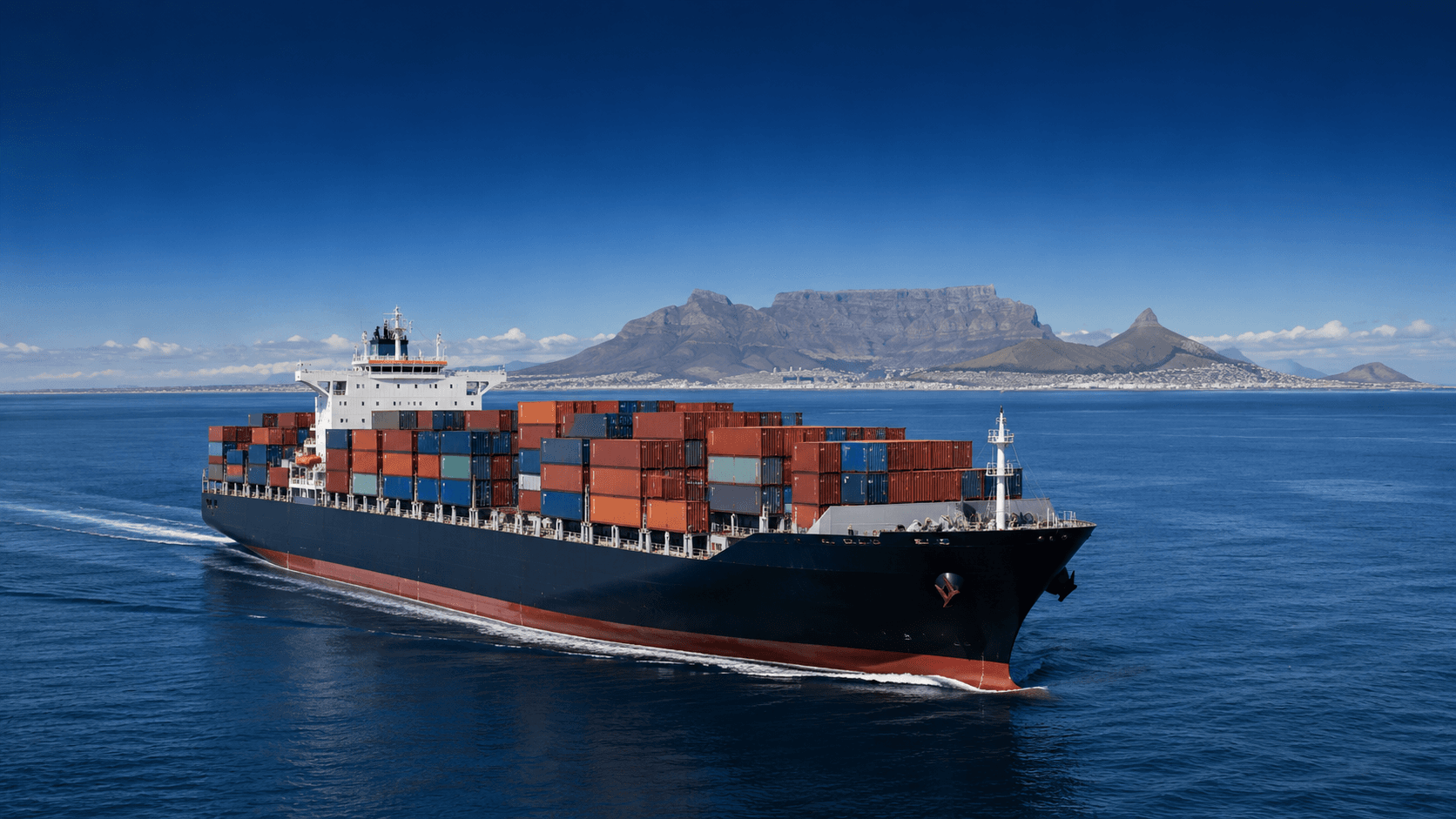
The Red Sea double closure continues to reshape food ingredient logistics between Asia and Europe despite improving Gulf shipping conditions. Procurement teams now face longer transit times, higher freight costs and new sourcing strategies as Cape routing remains the only practical option.
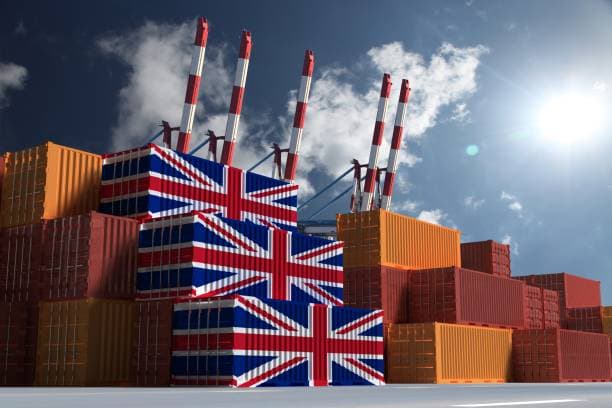
The UK’s entry into the Hormuz escort coalition is set to slash war‑risk insurance costs and strengthen supply chains for Gulf‑origin chemical imports in H2 2026. By bolstering maritime security, Britain can ensure safer, more reliable logistics for its critical chemical sector.
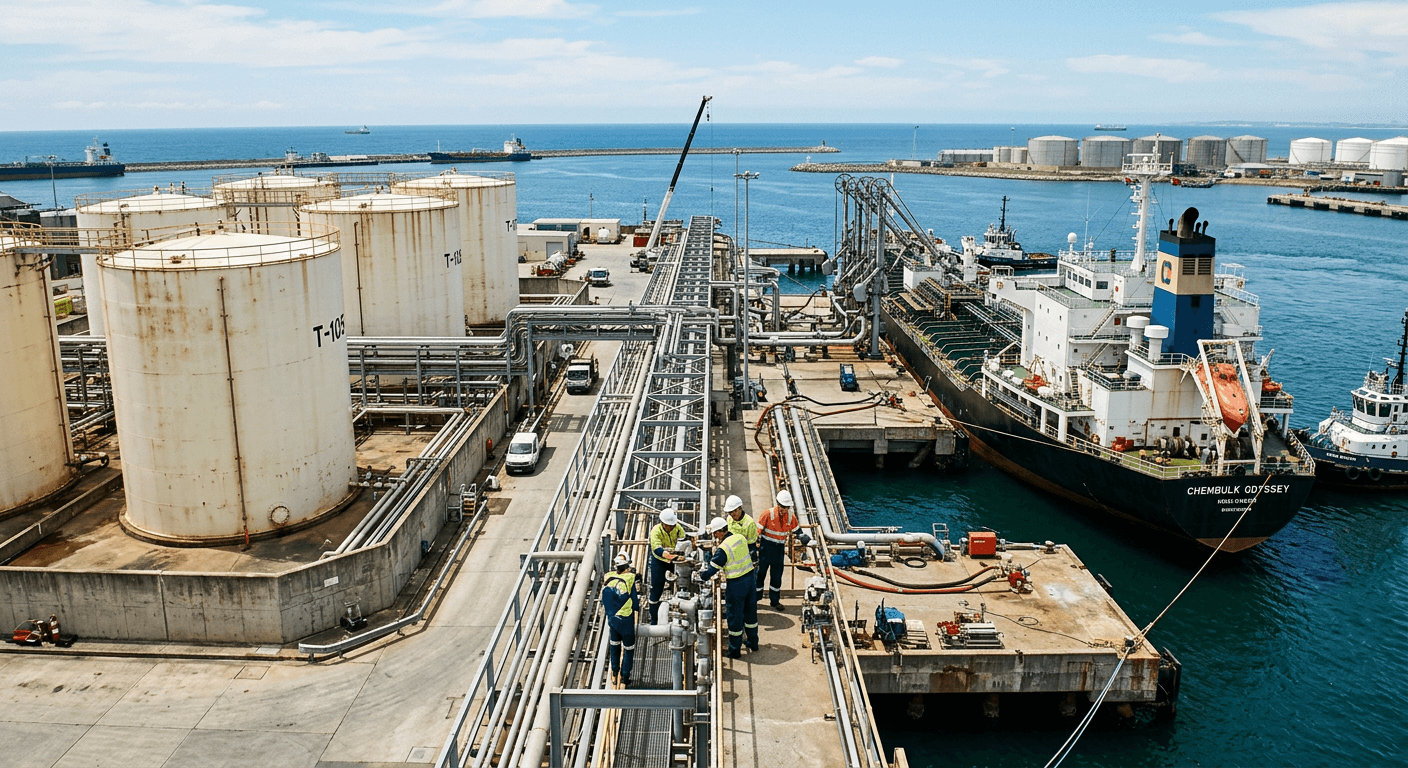
Falling Brent crude prices are reducing shipping cost pressure across global soda ash trade routes. This analysis explains how lower bunker fuel costs could improve contract negotiations for glass, detergent and water treatment buyers.

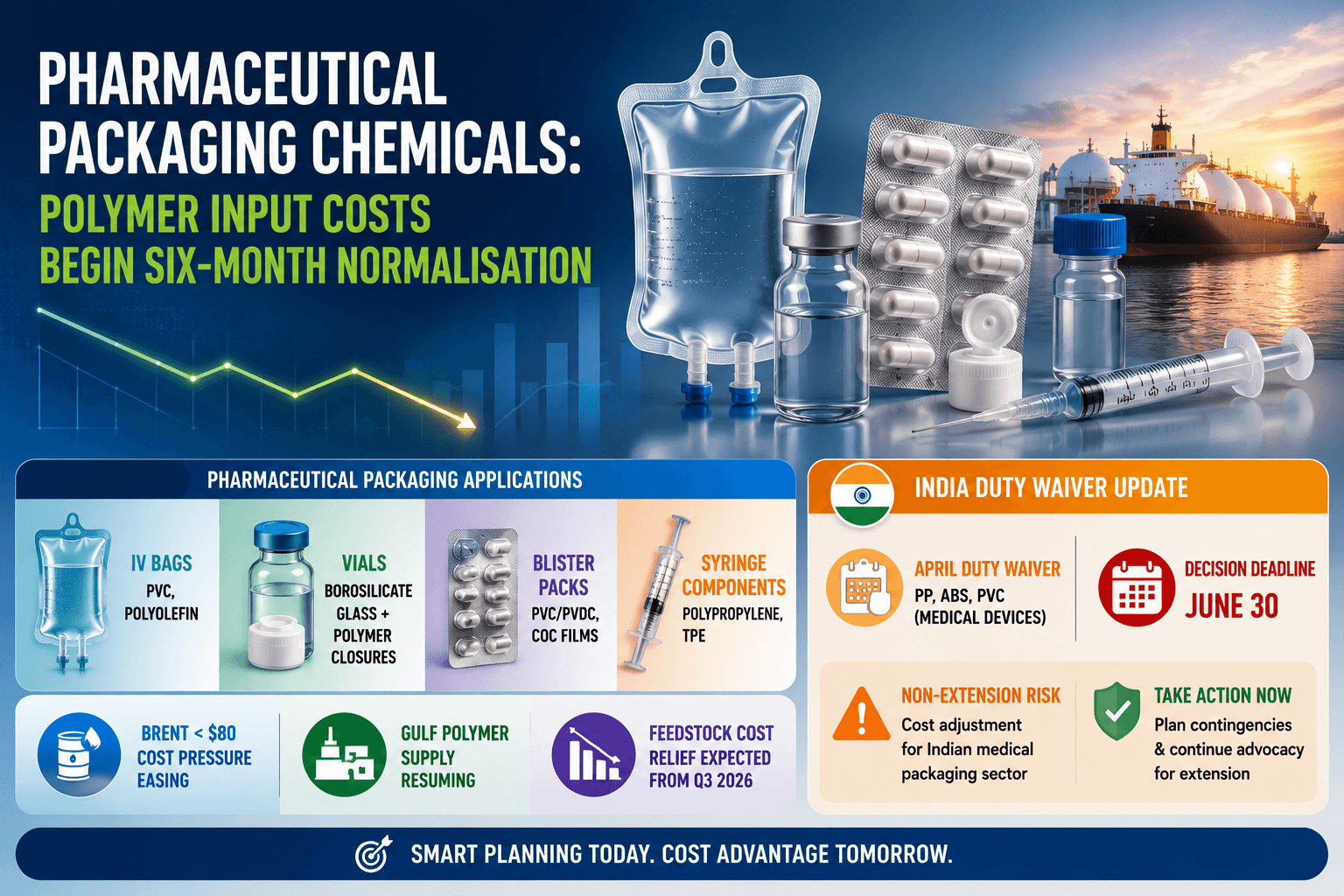
Brent crude has fallen below its pre-conflict level, creating a potential cost reset for chemical feedstocks. This analysis explains how lower crude prices may influence naphtha, olefins and commodity chemical pricing in Q3 2026.

The return of Gulf MDI exports is reshaping the global polyurethane market after months of limited competition. Adhesive, foam, and polyurethane manufacturers can expect more competitive pricing and stronger supplier negotiations throughout Q3 2026.
We're committed to your privacy. Tradeasia uses the information you provide to us to contact you about our relevant content, products, and services. For more information, check out our privacy policy.