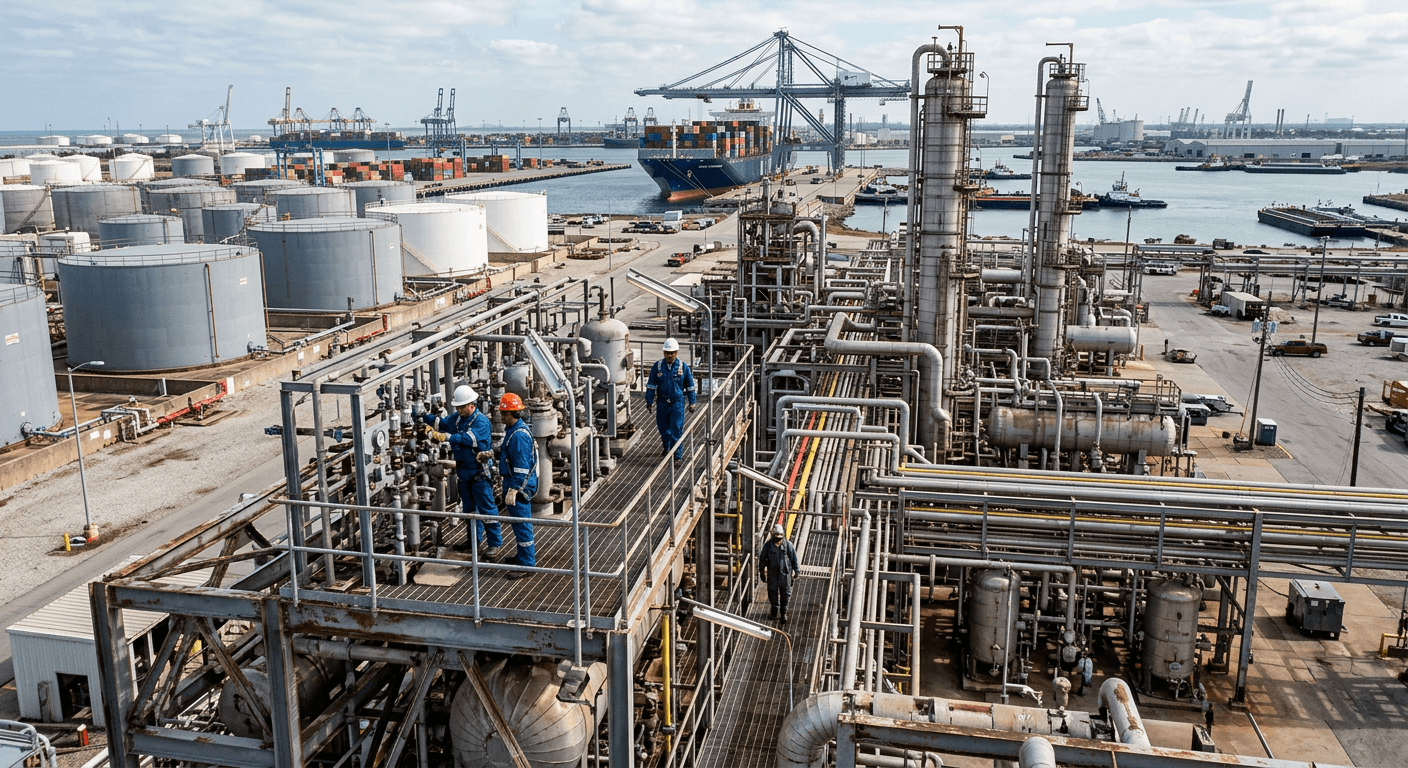
After several months of supply disruptions, the global methylene diphenyl diisocyanate (MDI) market is entering a more competitive phase. During the Hormuz crisis, limited availability from Gulf producers allowed Asian suppliers to strengthen their market position, while buyers relied on higher-cost imports from Europe and North America to maintain production.
With Gulf exports gradually recovering, polyurethane manufacturers are beginning to see greater supplier competition. This shift is expected to improve purchasing flexibility for manufacturers producing adhesives, insulation foams, coatings, sealants, and elastomers. For procurement teams, Q3 2026 offers an important opportunity to renegotiate contracts and diversify sourcing strategies.
Why the MDI Market Is Changing
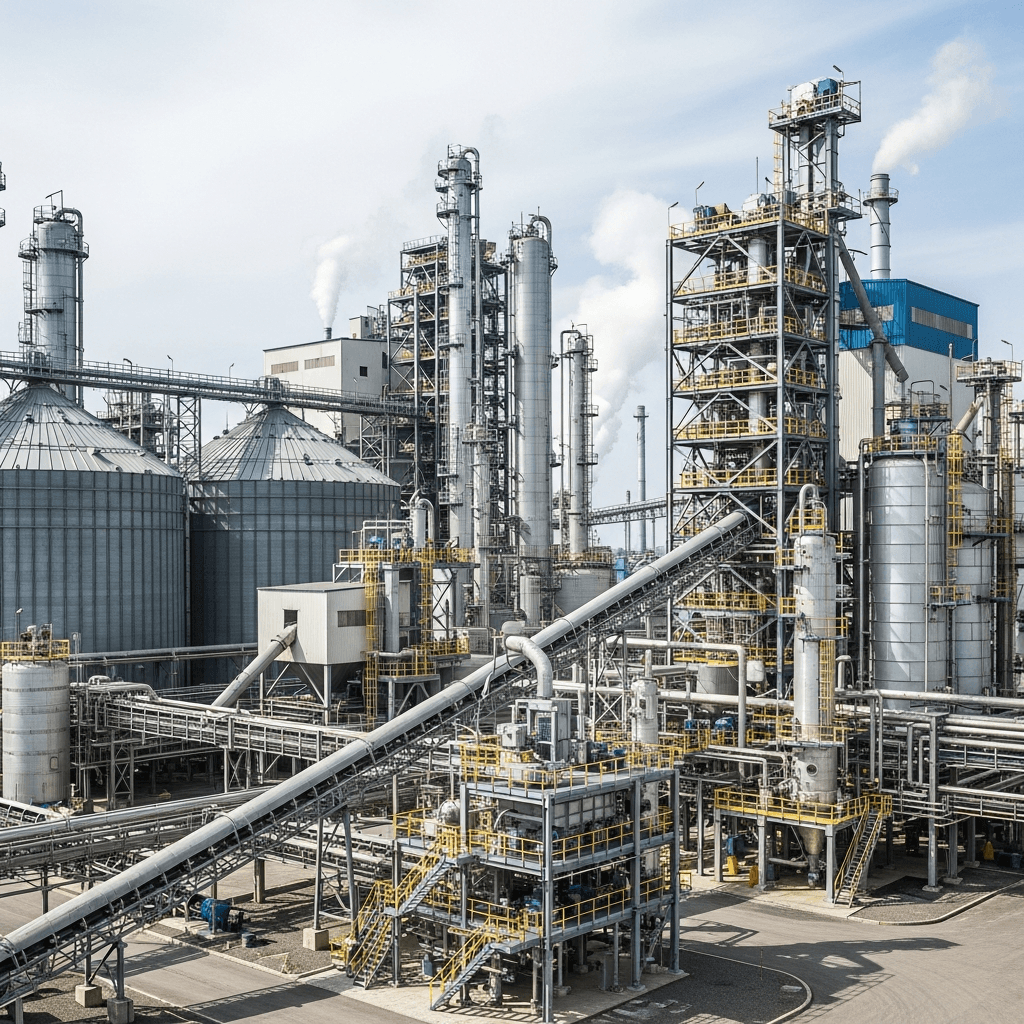
MDI is one of the most important raw materials used in polyurethane production.
During the first half of 2026, disruptions in Gulf exports reduced global supply options and increased dependence on Asian manufacturers.
As shipping routes recover, additional MDI volumes are gradually returning to international markets, increasing supplier competition.
MDI Is Essential Across Multiple Industries
Polyurethane materials are widely used throughout manufacturing.
Major applications include:
Construction adhesives
Wood adhesives
Insulation panels
Spray foam insulation
Automotive components
Furniture foam
Refrigeration insulation
Industrial coatings
Sealants
Elastomers
Because demand spans numerous industries, changes in MDI pricing influence a broad range of downstream products.
Polyethylene Terephthalate (PET) CAS: 25038-59-9
Competition Is Returning to the Market
With Gulf producers gradually resuming exports, buyers once again have access to multiple sourcing regions.
Potential supply options include:
Asian manufacturers
Gulf producers
European suppliers
North American producers
Greater supplier availability generally improves procurement flexibility and supports more competitive commercial negotiations.
Polyurethane Adhesive Manufacturers Benefit
Adhesive manufacturers are among the industries most affected by MDI pricing.
Lower raw material costs can improve competitiveness across products such as:
Construction adhesives
Industrial assembly adhesives
Woodworking adhesives
Automotive bonding systems
Flooring adhesives
Structural polyurethane adhesives
Companies with flexible procurement strategies may achieve meaningful cost savings during Q3.
Procurement Strategy for Q3 2026
Polyurethane manufacturers should actively evaluate market conditions before finalizing long-term contracts.
Recommended actions include:
Request quotations from multiple regions.
Compare supplier lead times.
Review contract pricing mechanisms.
Diversify approved suppliers.
Monitor freight costs.
Negotiate volume discounts where appropriate.
Competitive tendering can help buyers capture improving market conditions.
Diversified Sourcing Reduces Risk
The events of early 2026 demonstrated the importance of maintaining multiple qualified suppliers.
A diversified sourcing strategy offers several benefits:
Better pricing leverage
Reduced supply disruption risk
Improved delivery reliability
Greater purchasing flexibility
Stronger long-term supply security
Maintaining regional supply diversity remains an effective procurement strategy even as markets recover.
Market Outlook
The global MDI market is expected to become increasingly competitive during the second half of 2026 as Gulf production and exports continue to recover. Greater supplier participation should improve pricing transparency and provide polyurethane manufacturers with additional sourcing options after several months of constrained supply.
While demand for polyurethane products remains healthy across construction, automotive, insulation, and industrial manufacturing, increased competition among producers is likely to moderate pricing pressure throughout Q3. Buyers that actively compare supplier offers, negotiate flexible contracts, and diversify sourcing will be better positioned to manage raw material costs during the remainder of the year.
Key Takeaways
Returning Gulf exports are increasing competition in the global MDI market.
Polyurethane manufacturers are gaining more sourcing options for Q3 2026.
MDI remains a key raw material for adhesives, foams, coatings, and sealants.
Greater supplier competition can improve pricing and contract negotiations.
Competitive tendering should be part of every major procurement decision.
Diversified sourcing remains important for long-term supply security.
Procurement teams should compare regional offers before signing long-term agreements.
Q3 2026 is expected to be the most competitive MDI market since before the supply disruptions.