
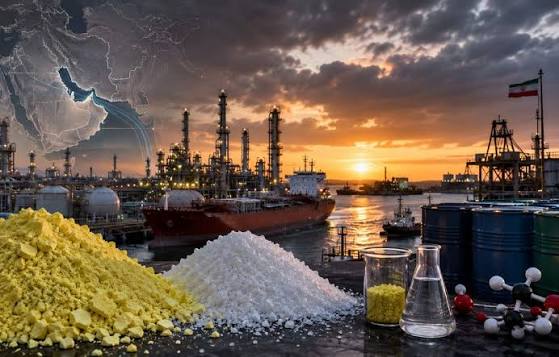
Methanol CAS: 67-56-1
Methanol CAS: 67-56-1

The 2026 Hormuz crisis became an unexpected test of Responsible Care principles across the chemical industry. This article explains why supplier behaviour during disruptions can provide procurement teams with valuable insight beyond traditional sustainability audits.

Australia enters its critical pre-season agricultural procurement period with improving global logistics, lower freight costs and stronger chemical supply conditions. For fertilizer and agrochemical buyers, July represents the most important purchasing month before spring planting begins.
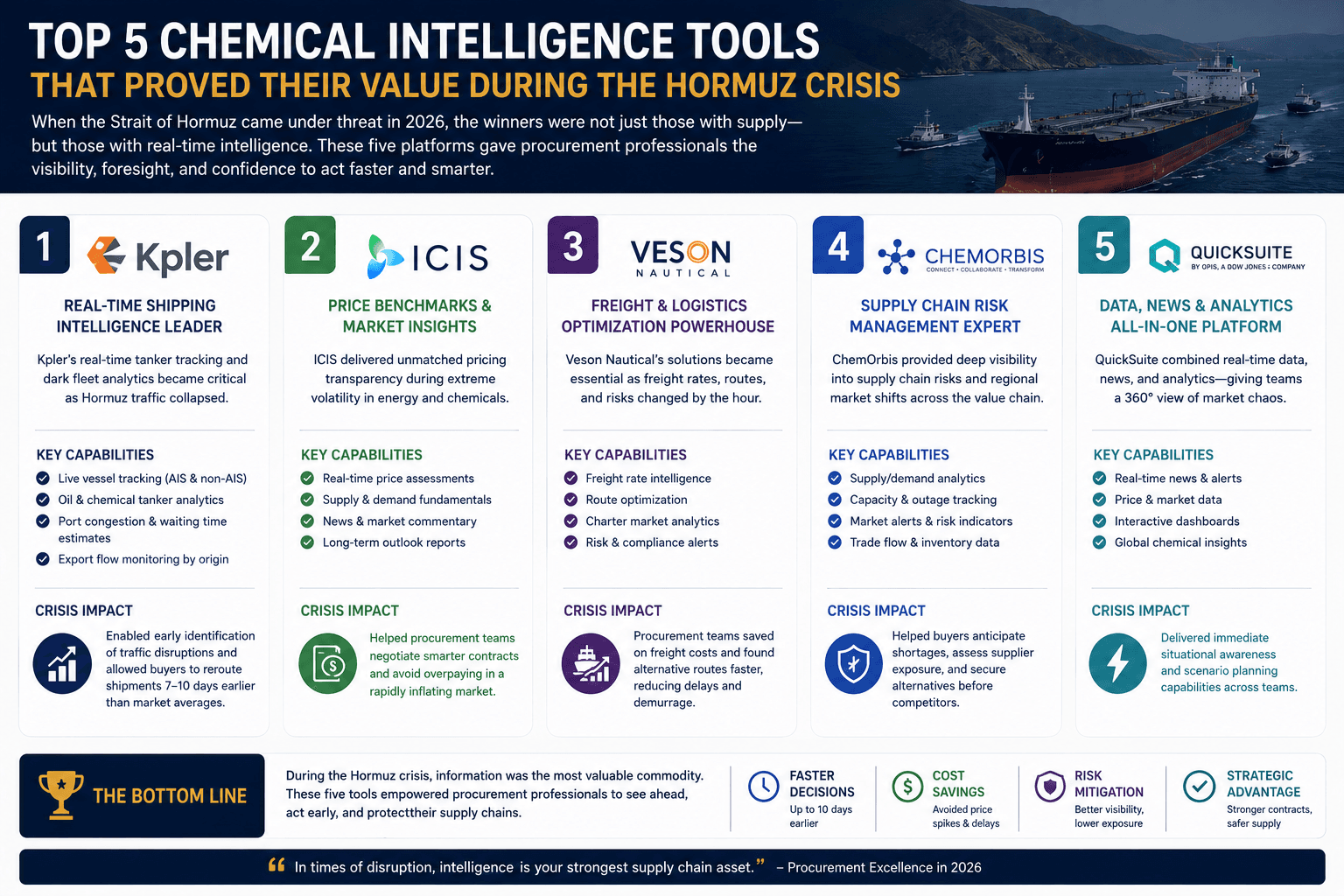
The 2026 Hormuz crisis proved that traditional procurement systems are no longer enough during global supply chain disruption. Tools like Straits.live, ICIS, Xeneta, Kpler, and IMF PortWatch gave chemical buyers the real-time intelligence needed to make faster and smarter procurement decisions when conventional supplier communication failed.
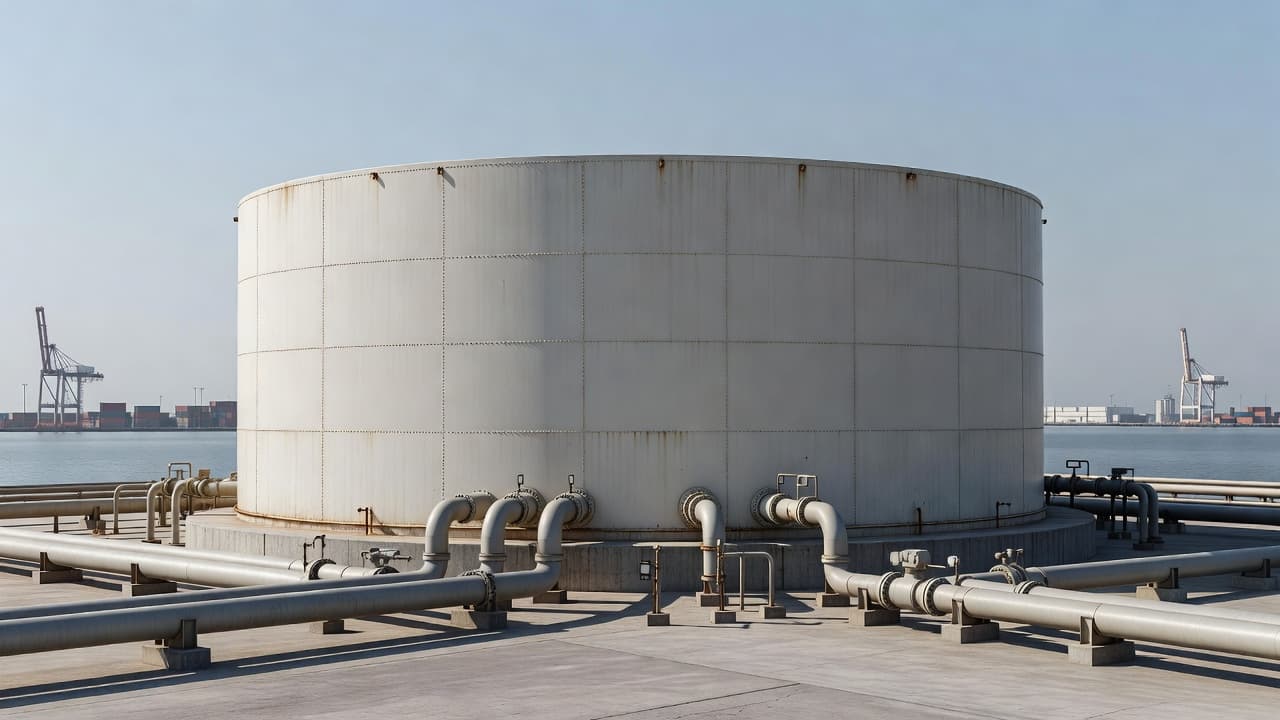
Chemical supply chains depend on stable trade routes, diplomatic channels and predictable negotiations. The Oman crisis shows how quickly geopolitical decisions can affect sourcing strategies, supplier confidence and procurement planning.
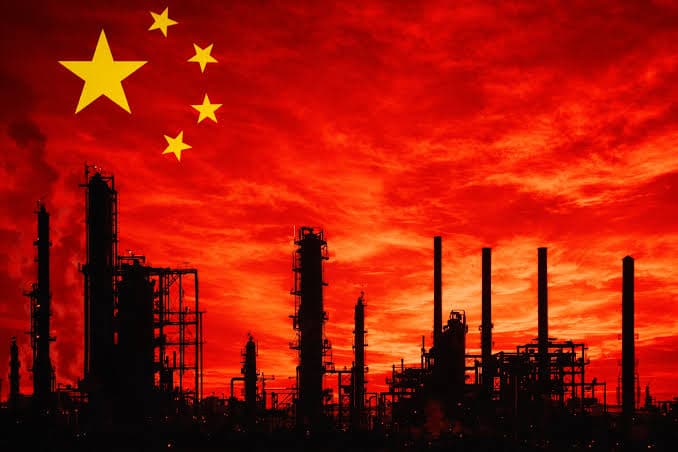
China's chemical industry ended H1 2026 as the world's primary swing supplier, filling supply gaps created by disruptions in Gulf exports. As Middle Eastern production steadily returns, procurement teams must determine which Chinese export advantages remain permanent and which were driven by exceptional market conditions.

The 2026 Hormuz crisis transformed chemical procurement into an intelligence-driven function. Platforms like ICIS, Kpler, Xeneta, and ChemAnalyst are now essential tools helping procurement teams track prices, shipping disruption, freight rates, and supply risk in real time.
We're committed to your privacy. Tradeasia uses the information you provide to us to contact you about our relevant content, products, and services. For more information, check out our privacy policy.