
Related Insights
A Second Chokepoint at Risk: What Bab el-Mandeb Closure Means for API Shipping Routes
A Houthi closure would force API shipments to reroute around the Cape of Good Hope
Dark Fleet Tankers and Cold Chain Risk: An Emerging Concern for Sensitive Pharma Cargo
Iran's targeting of transponder-off tankers adds a tracking and safety risk
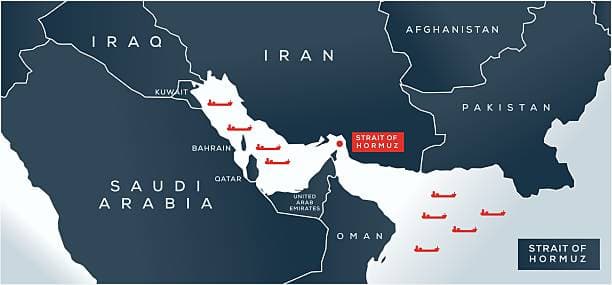
Reinstated Hormuz Blockade: 20% Cargo Fee Impact on Global Shipping Costs
A 20% surcharge on cargo transiting the Strait of Hormuz would instantly hike shipping costs across the globe, reshaping freight rates and forcing shippers to rethink supply‑chain routes. This article breaks down the financial ripple effects on container, tanker, and chemical logistics, and explores strategic responses for businesses navigating this new risk landscape.
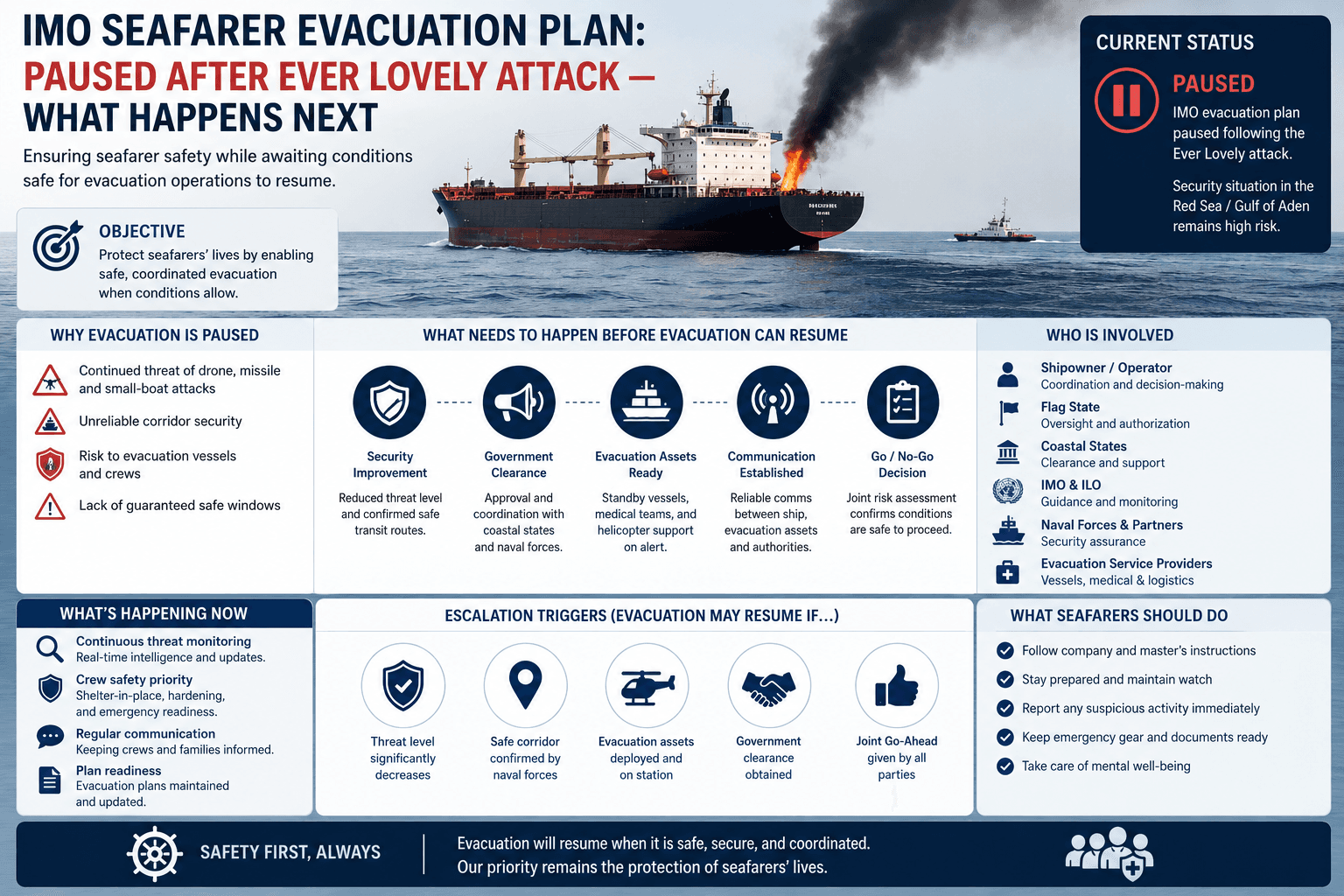
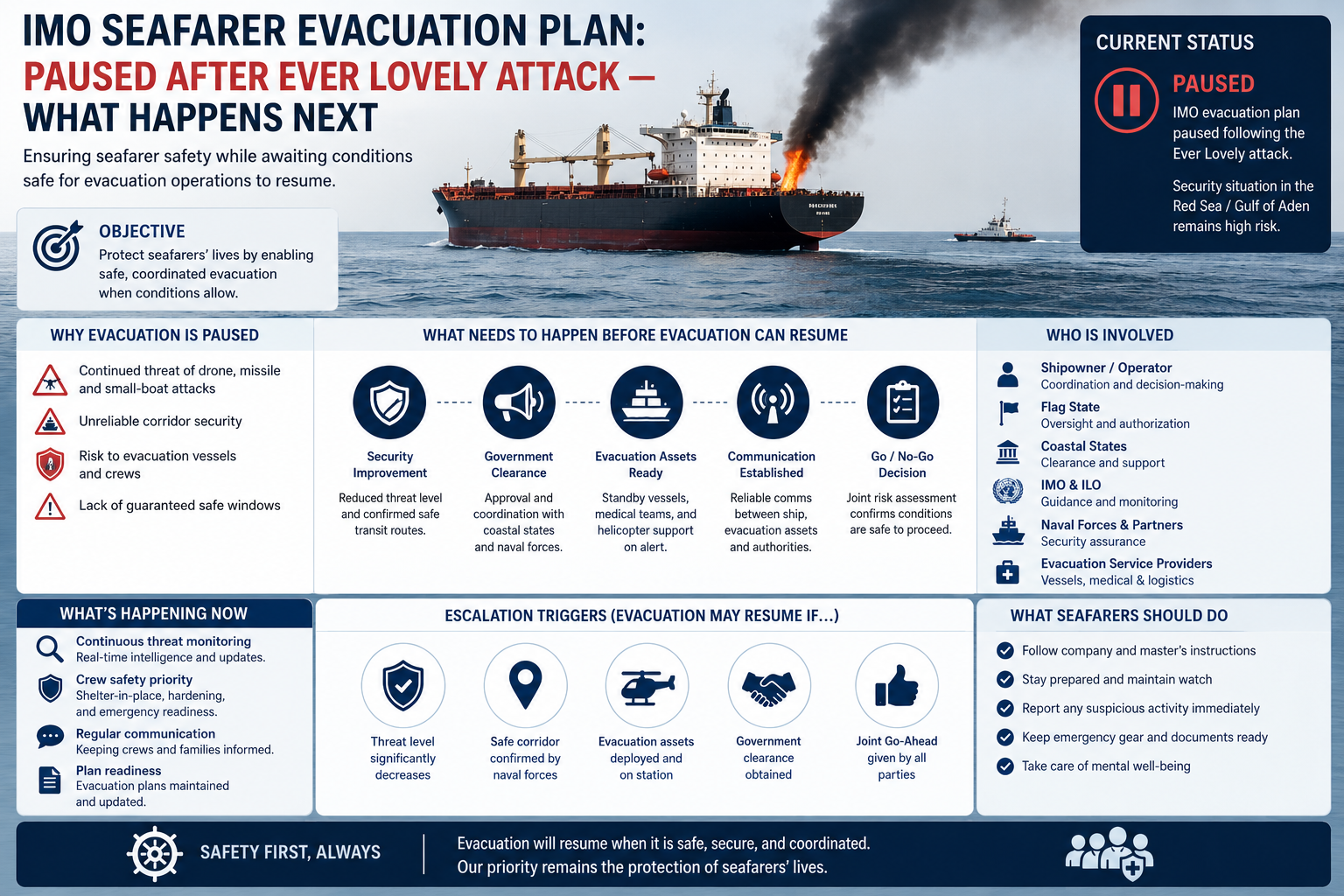
The 22,500 Mariners Stranded in the Gulf: What the Hormuz Human Cost Means for Chemical Procurement
More than 22,500 mariners remain stuck on over 1,550 vessels in the Persian Gulf, a human crisis behind every delayed chemical shipment. For procurement teams sourcing from Gulf producers, this is no longer a distant headline but a direct line item in supply chain risk.
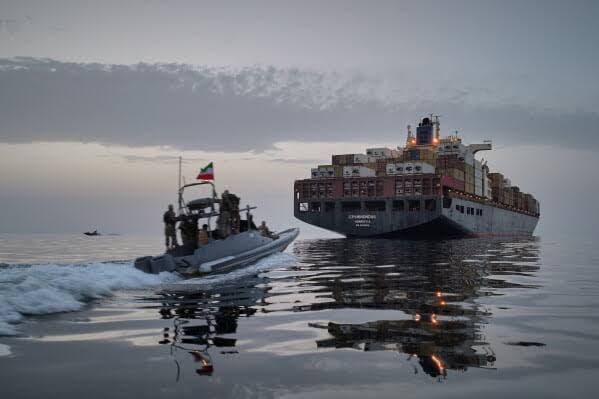
Kpler's 34: What Six Times More Vessel Crossings in One Day Actually Means for Chemical Supply
Kpler confirmed 34 vessel crossings through Hormuz on June 30, a sixfold increase over June’s average daily traffic. For chemical procurement professionals, the number signals the first meaningful Gulf supply recovery in months, but sustained movement over the next 48 hours will determine whether true normalization has begun.
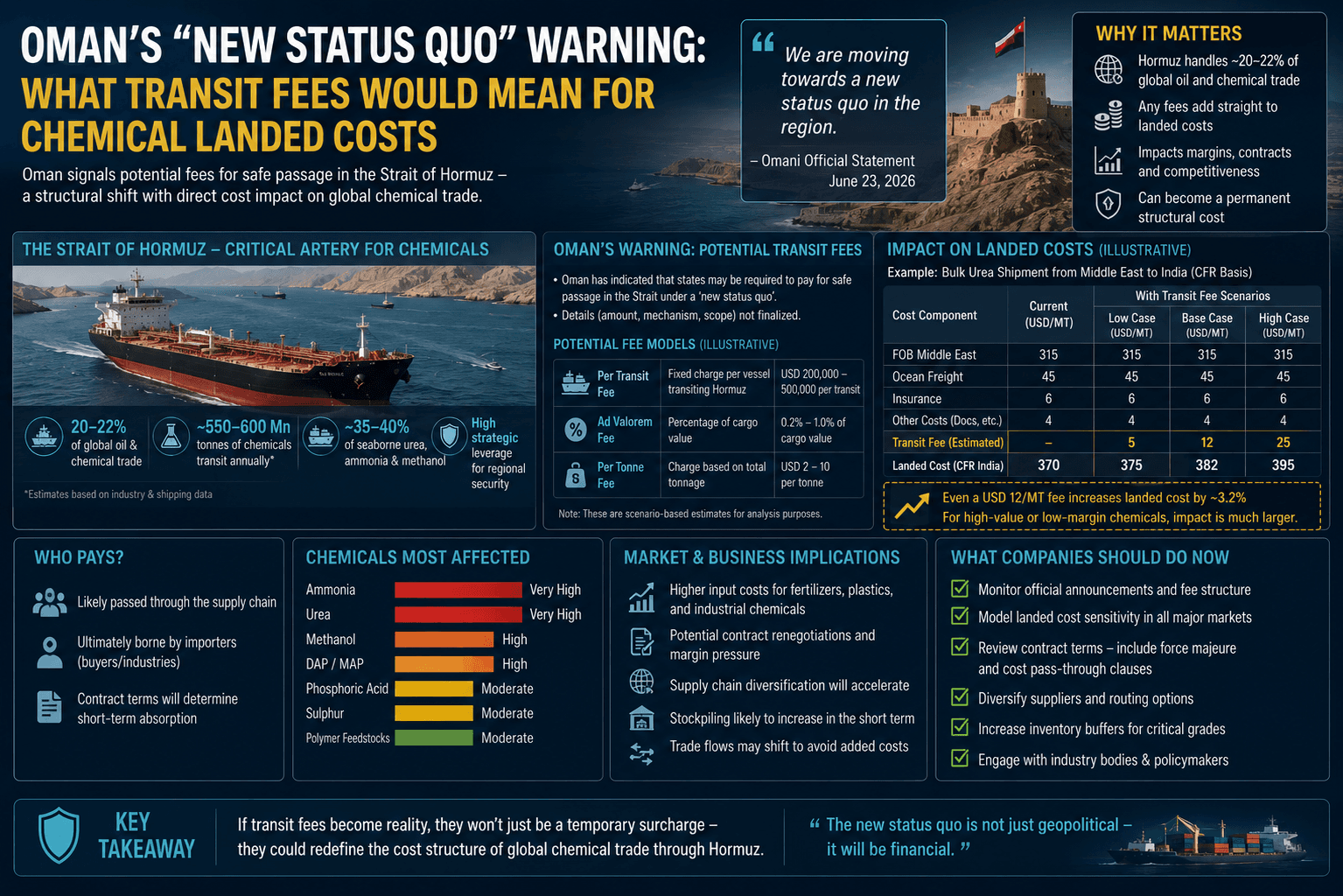
Oman’s “New Status Quo” Warning: What Transit Fees Would Mean for Chemical Landed Costs
Oman’s warning that Hormuz may never return to pre-war conditions raises the prospect of permanent transit fees for commercial vessels. Chemical buyers should immediately model higher landed costs into H2 2026 procurement planning as Gulf shipping economics may have changed permanently.
Don't miss out on our updates! Subscribe to our newsletter now
We're committed to your privacy. Tradeasia uses the information you provide to us to contact you about our relevant content, products, and services. For more information, check out our privacy policy.