
Citric Acid Anhydrous (E330) CAS: 77-92-9
Citric Acid Anhydrous (E330) CAS: 77-92-9

The withdrawal of P&I insurance during the earlier Hormuz disruption sparked discussion about government-backed insurance solutions for commercial shipping. Chemical procurement and compliance teams should understand how future insurance frameworks could influence freight costs and supply chain resilience.
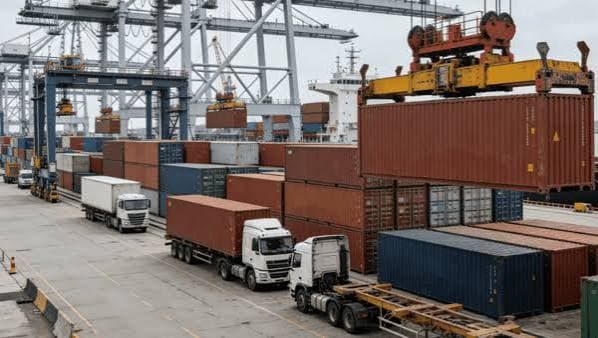
The July 1 bunker adjustment factor reset marks the first measurable freight cost relief for food ingredient buyers since the 2026 shipping crisis began. Procurement teams importing under CIF or CFR terms should use this week’s freight surcharge reduction as leverage to renegotiate H2 supplier pricing.

The 60-day diplomatic window following the June 2026 MoU is becoming a key milestone for green ammonia investments. Developers and industrial buyers are closely monitoring project timelines, supply security, and future procurement opportunities.
India's reinstatement of the 5% Basic Customs Duty on MEG imports changes the cost equation for polyester manufacturers and chemical buyers. This article explains the new landed cost arithmetic, why today's costs remain below April's market peak and what procurement teams should monitor in the months ahead.

Container freight markets finished H1 2026 well above pre-crisis pricing despite easing fuel costs. This review explains how Cape of Good Hope routing, carrier commitments and war risk surcharges continue to shape chemical logistics costs for H2 2026.
India's temporary customs duty exemption on Monoethylene Glycol expires at midnight, creating a major turning point for polyester manufacturers and chemical buyers. As Gulf supply improves and production costs ease, procurement teams must balance lower international prices against higher landed costs before finalizing Q3 purchasing strategies.
We're committed to your privacy. Tradeasia uses the information you provide to us to contact you about our relevant content, products, and services. For more information, check out our privacy policy.