
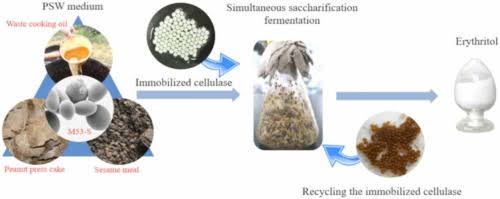
Pentaerythritol CAS: 115-77-5
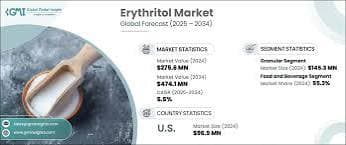
Pentaerythritol CAS: 115-77-5

A reported 520,000-tonne acrylonitrile data reversal in early July 2026 highlights how production statistics can change rapidly and influence market expectations. Procurement teams should understand why reliable market intelligence is just as important as pricing when making sourcing decisions.

Retailers are tightening their standards on synthetic food dyes, setting 2026‑2027 deadlines that force manufacturers to reexamine ingredient sourcing and reformulation strategies. The shift toward natural colorants and clean‑label compliance reshapes product development, cost structures, and supply chains. This article breaks down the commitments, impacts, and practical steps for food companies.
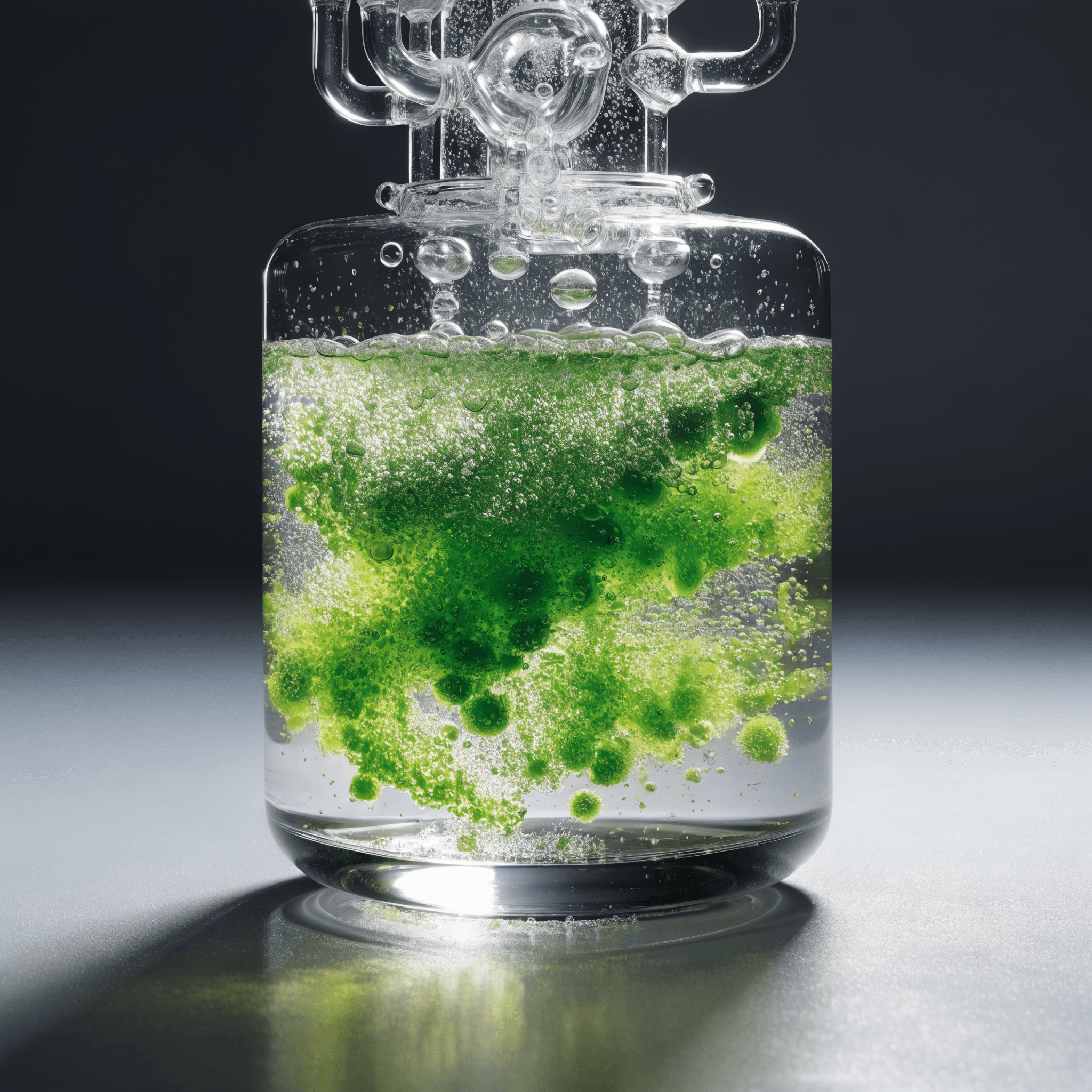
Fermentation-based marine ingredients such as algal DHA, astaxanthin and beta-glucan offer food manufacturers a more resilient supply chain during periods of global shipping disruption. Procurement teams should understand why production geography matters as much as ingredient performance.

The sorbitol market is witnessing a decisive feedstock shift as corn glucose gains traction over palm and tapioca options. This divergence is lowering sorbitol pricing for Chinese producers and opening new sourcing opportunities, but buyers must also consider EUDR compliance to secure long‑term supply chains.

China’s expanding domestic petrochemical capacity helped replace Gulf PTA and paraxylene supply during recent disruptions. As Gulf exports begin returning, PTA buyers need to assess how new competition could affect pricing and sourcing strategies.
Food manufacturers face increasing pressure to strengthen residue compliance and supplier verification programs.
We're committed to your privacy. Tradeasia uses the information you provide to us to contact you about our relevant content, products, and services. For more information, check out our privacy policy.