
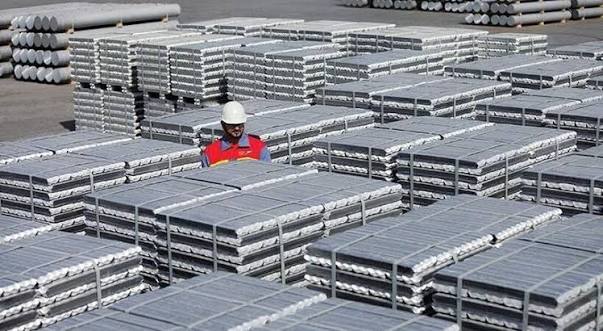
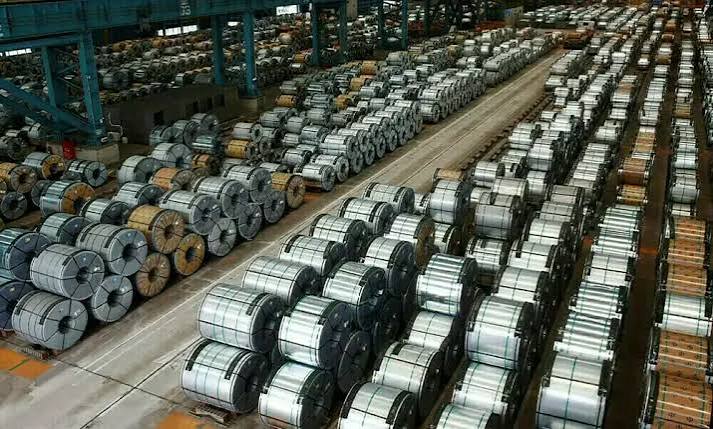
Aluminium Sulfate CAS: 7784-31-8
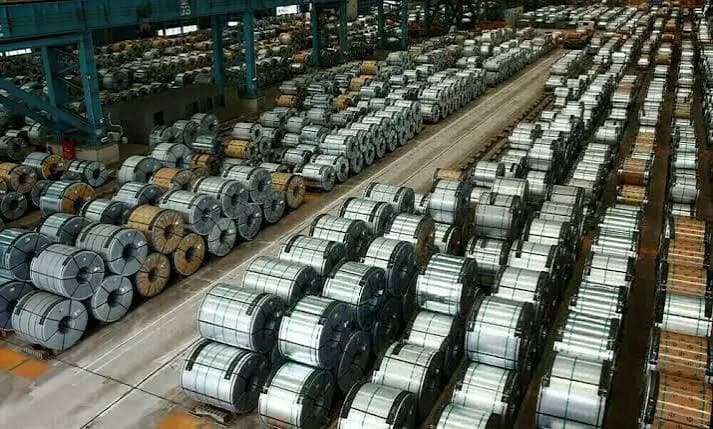
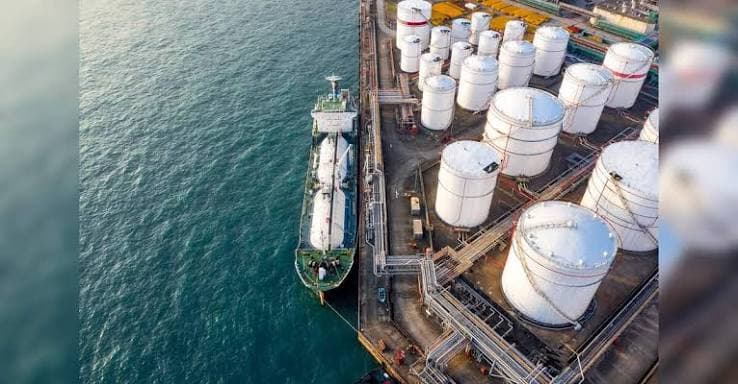
Japan's chemical industry enters H2 2026 after overcoming its most severe naphtha supply disruption in decades. The country's rapid diversification of feedstock sourcing may prove to be the most important long-term outcome of the Hormuz crisis, reshaping procurement strategies well beyond the recovery period.

The IMO dataset of 49 confirmed maritime incidents gives hospital pharmacy teams a structured roadmap to assess pharmaceutical exposure in the Gulf. By mapping API and chemical routes against high‑risk zones, procurement leaders can strategically plan Q3 logistics and safeguard patient care.

The 60-day diplomatic window following the June 2026 MoU is becoming a key milestone for green ammonia investments. Developers and industrial buyers are closely monitoring project timelines, supply security, and future procurement opportunities.
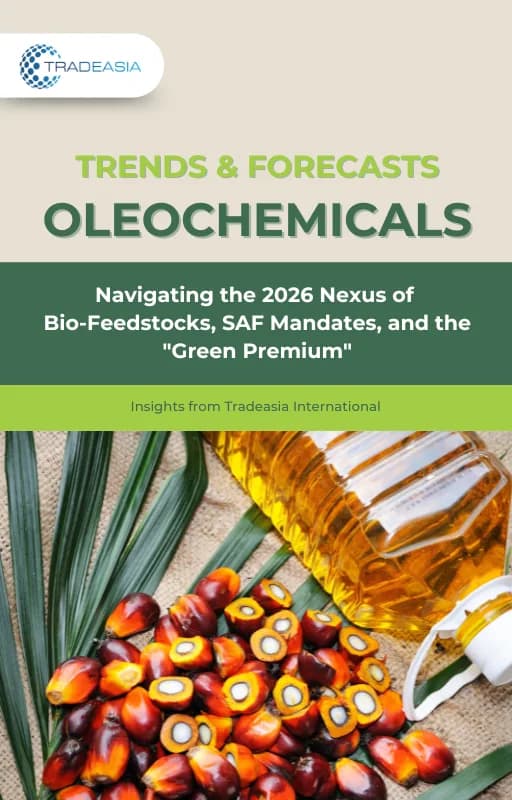
Gulf exports have recovered significantly during H1 2026, yet hundreds of vessels remain anchored across the region. This backlog highlights why chemical buyers should expect a gradual logistics recovery rather than an immediate return to normal shipping conditions.
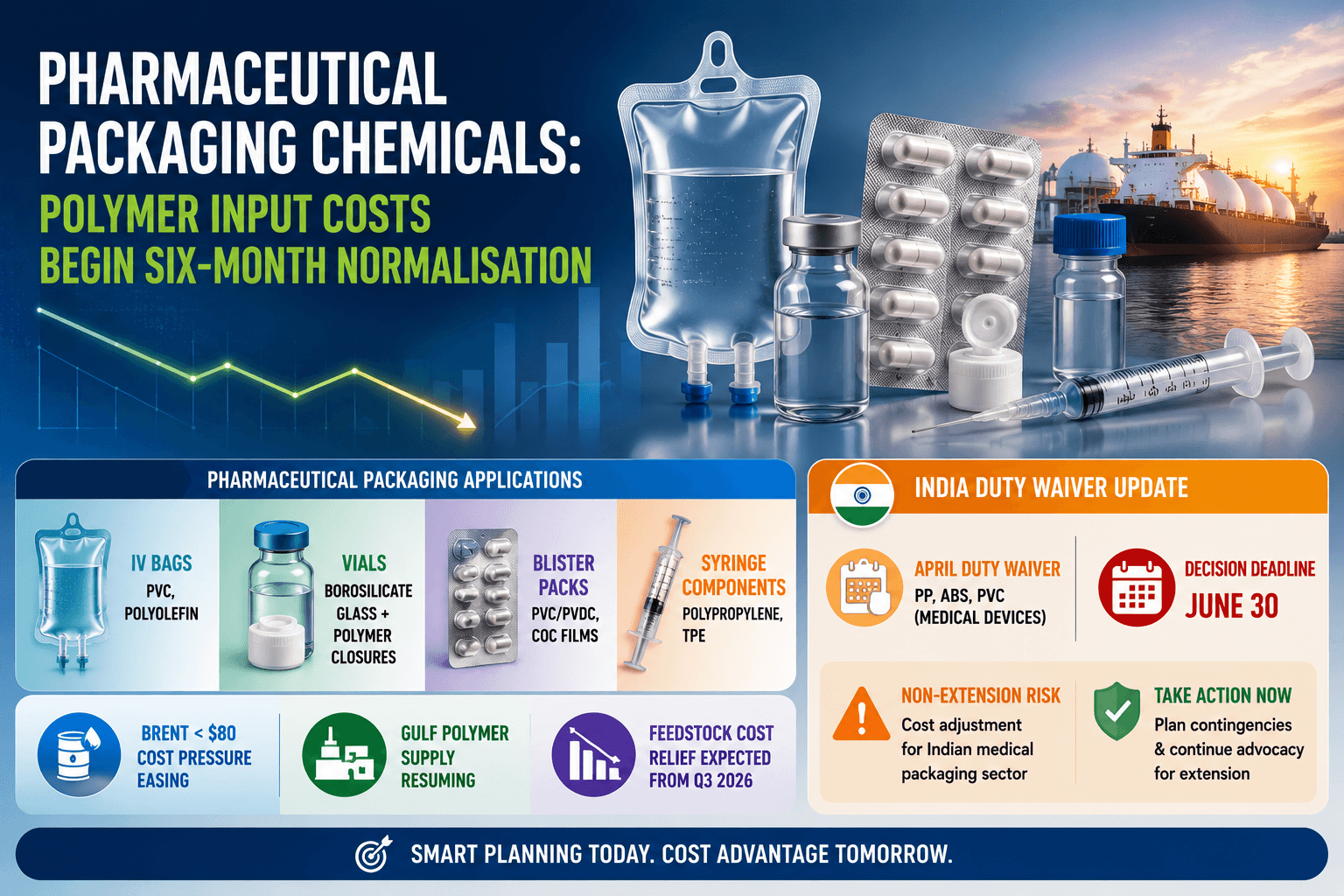
Pharmaceutical packaging costs are beginning to ease as Gulf polymer supply recovers and crude prices fall, but India’s June 30 duty waiver decision could quickly reverse cost relief for manufacturers dependent on Indian packaging components.

A major wave of new HDPE capacity is entering the market as Chevron Phillips and QatarEnergy prepare to launch their Golden Triangle Polymers facility. The startup could reshape export flows, intensify competition in Asia and improve supply conditions for North American buyers.
We're committed to your privacy. Tradeasia uses the information you provide to us to contact you about our relevant content, products, and services. For more information, check out our privacy policy.