

Related Insights
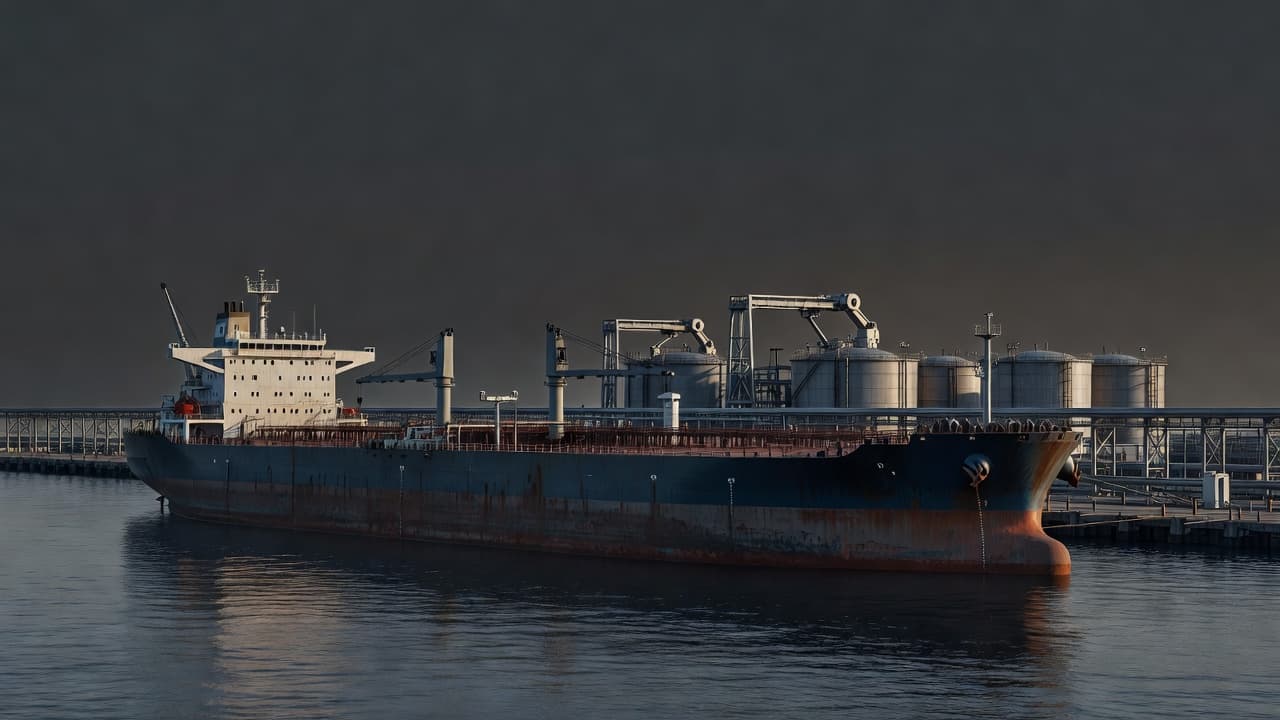
Sanctions Waiver Reversal: What the End of Iranian Oil Sales Authorization Means for Chemical Trade
The termination of Treasury's authorization for Iranian oil sales and new transaction approvals marks an important shift in international trade compliance. Chemical companies should review procurement, logistics and financial exposure to ensure continued sanctions compliance.
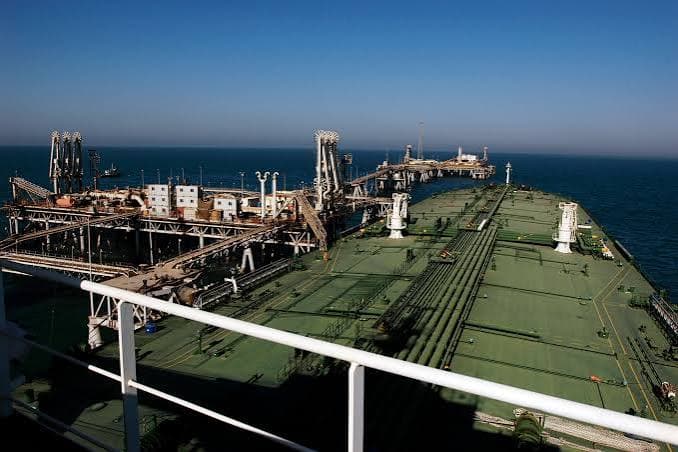
Iran’s “Service Fees”: What Toll-Based Passage Would Cost the Chemical Industry Annually
Iran’s proposal to charge “service fees” for Hormuz passage could permanently reshape the economics of global chemical trade. If transit charges become permanent, Gulf-origin chemical supply chains may face $500 million to $1.5 billion in additional annual costs that buyers will ultimately absorb through higher contract pricing.
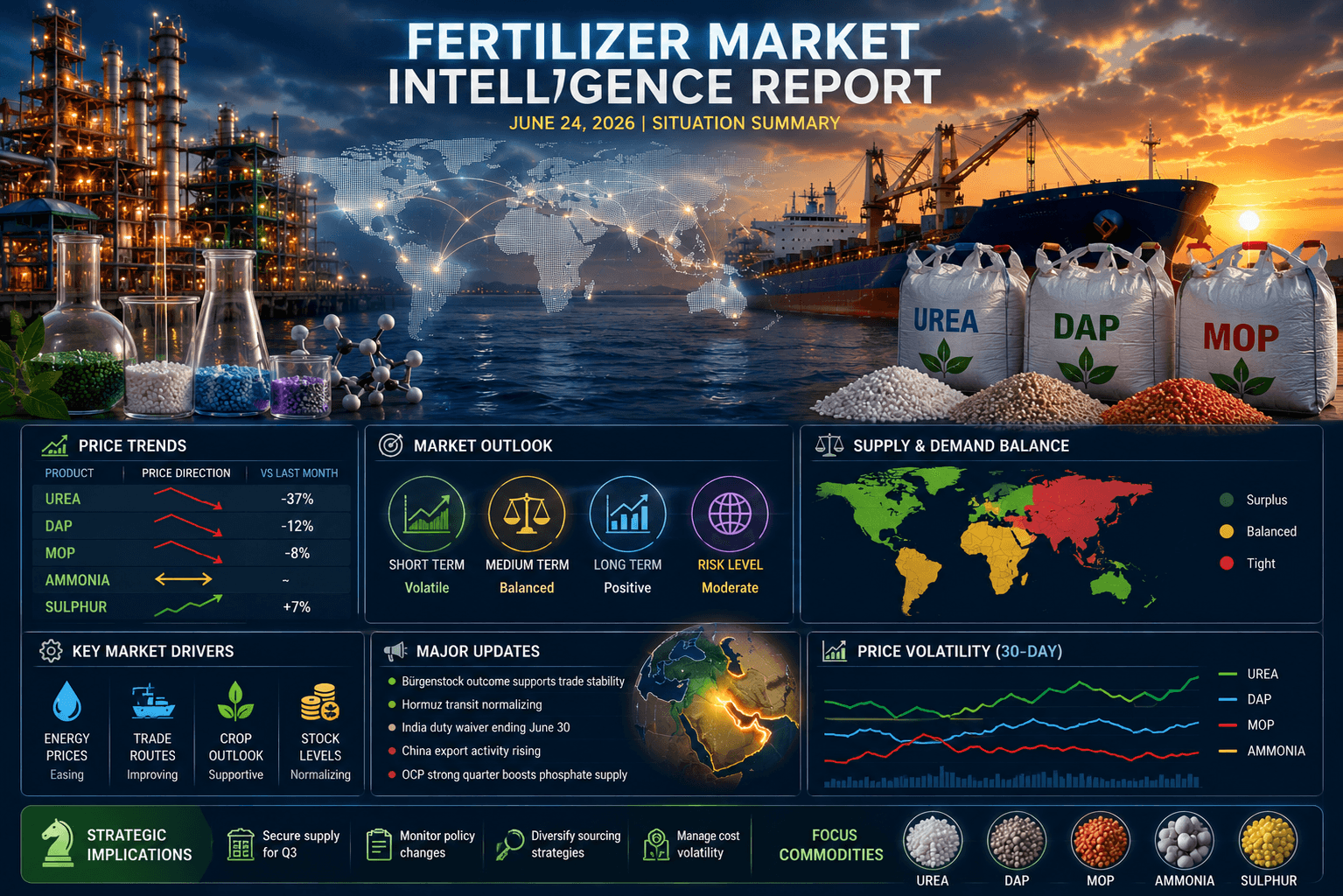
Fertilizer Market Intelligence Report: June 24, 2026 Situation Summary
Global fertilizer markets are stabilizing after months of disruption, but June 2026 remains a critical procurement window. Urea prices are down 36%, ammonia exports may restart in July, and fertilizer buyers must navigate supply recovery, policy deadlines, and pricing uncertainty.

Why Brent Is $72.60 Despite Active Drone Strikes: What the June 29, 2026 Oil Market Paradox Means for Chemical Buyers
Brent crude has dropped to $72.60 despite ongoing military escalation across the Gulf. This unusual market reaction signals that supply recovery currently outweighs geopolitical risk, creating important implications for petrochemical procurement and chemical pricing in the months ahead.

Citric Acid: Chinese Producers Reassess H2 Export Pricing as Freight Relief Approaches
Chinese citric acid producers are reevaluating H2 2026 export contracts amid easing bunker fuel costs, which could lower freight expenses and reshape pricing dynamics. This shift may benefit global food additive buyers seeking cost‑effective imports.

MEG CFR India Becomes the Most Dislocated Petrochemical Price of H1 2026
MEG CFR India market has emerged as one of the most volatile petrochemical segments of 2026. Tight spot availability, dependence on Middle Eastern imports and rising freight premiums are creating significant challenges for polyester and PET buyers across India.
Don't miss out on our updates! Subscribe to our newsletter now
We're committed to your privacy. Tradeasia uses the information you provide to us to contact you about our relevant content, products, and services. For more information, check out our privacy policy.