
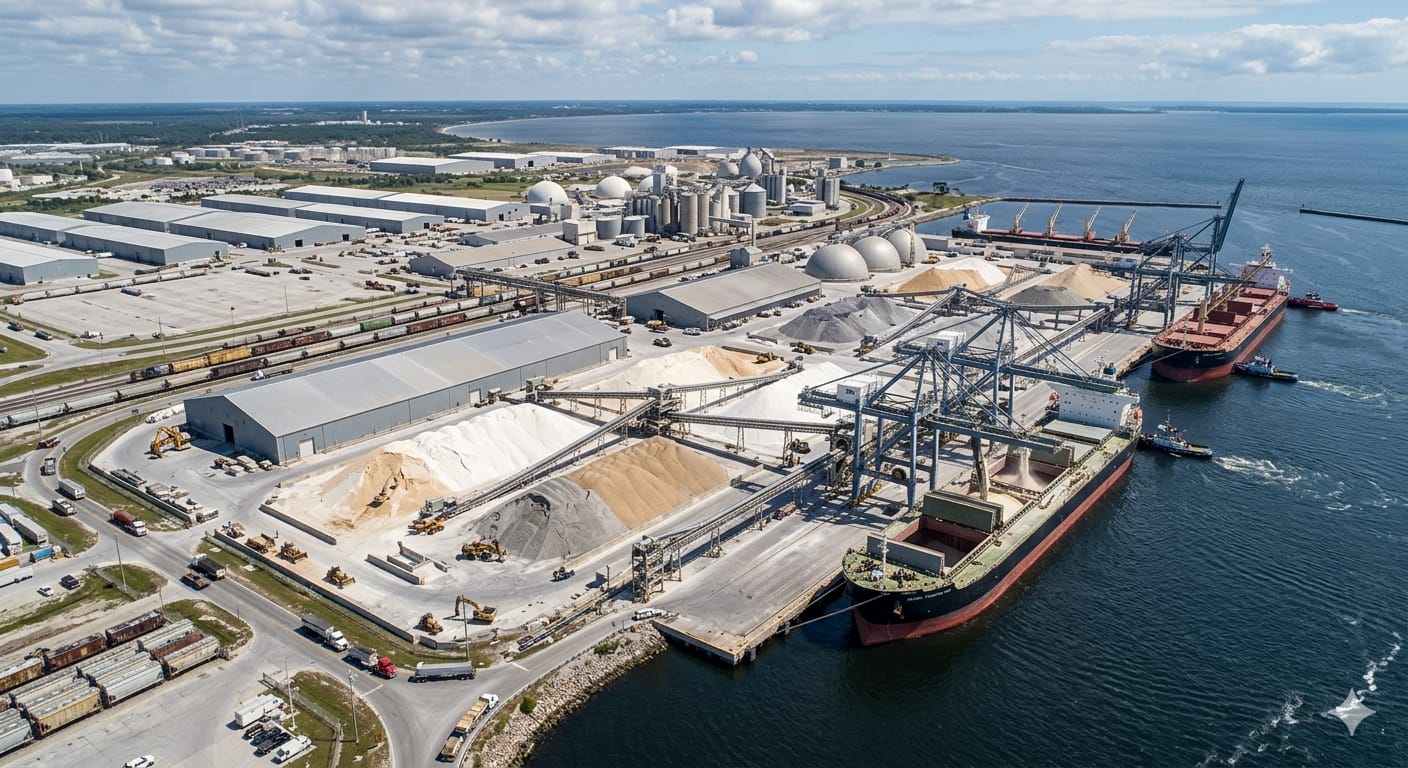
Diammonium Phosphate (Technical 18-46) - Morocco CAS: 7783-28-0
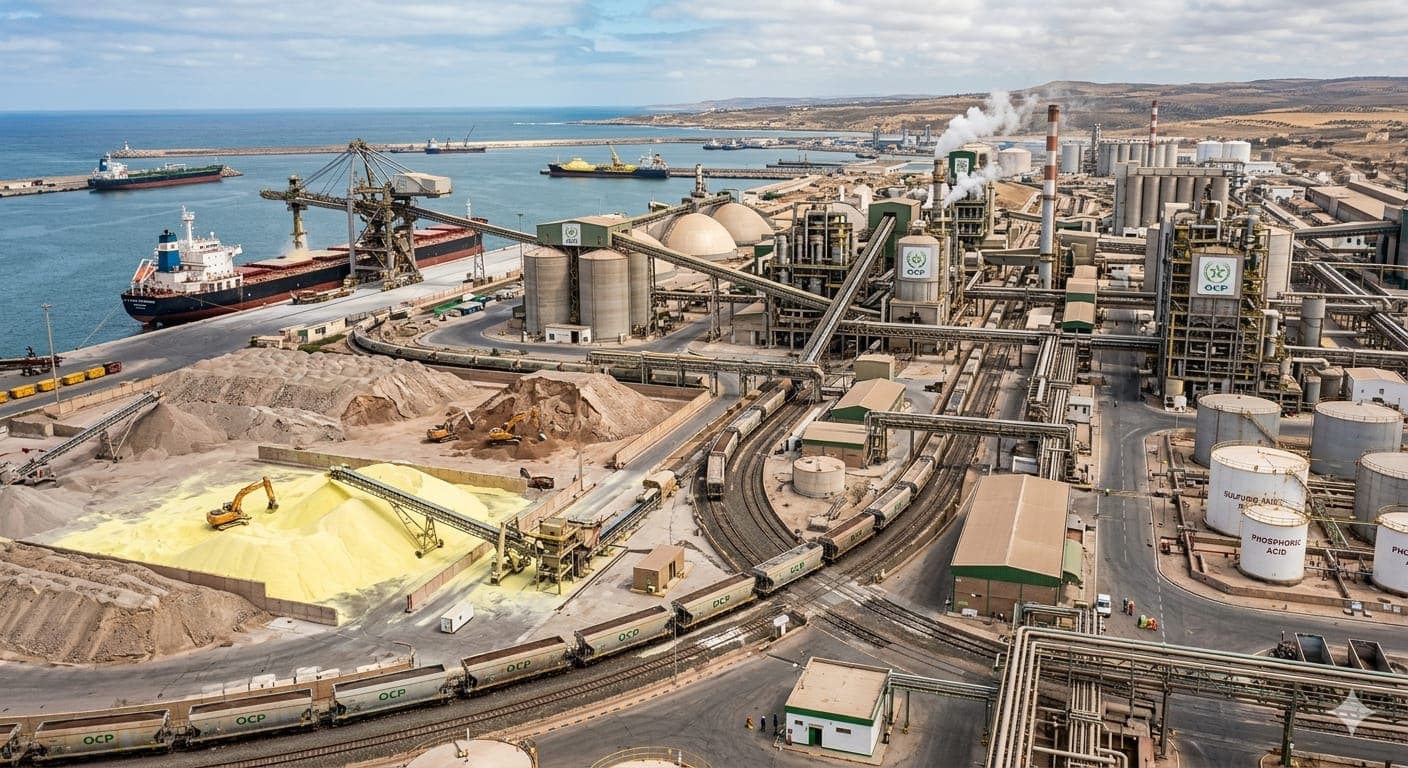
Diammonium Phosphate (Technical 18-46) - Morocco CAS: 7783-28-0

For the first time in decades, freight costs, insurance premiums and maritime disruptions have eclipsed production economics in shaping global fertilizer prices. This shift signals a new era where logistics economics dictate market dynamics more than crop demand or input costs.

India’s DAP inventory climbed to 1.96 Mt in May 2026, creating a strategic buffer that could soften future import demand. This hidden stockpile may shift market dynamics, influencing phosphate fertilizer prices and supply chains.

Urea prices have already fallen 36% from April highs, but improving Hormuz shipping and lower Brent crude suggest only modest further correction ahead. For fertilizer buyers, the strongest buying opportunity may already be unfolding before Q3 market stabilization begins.

The ethanol market is monitoring Australian energy disruptions as Ichthys LNG industrial action creates uncertainty across regional feedstock and energy markets. Buyers are assessing how energy costs, supply stability and production conditions may influence ethanol pricing through H2 2026.

Formaldehyde producers are facing rising costs as higher methanol prices move through downstream resin supply chains. Buyers of urea-formaldehyde and phenol-formaldehyde resins should prepare for changing contract prices in Q3 2026.
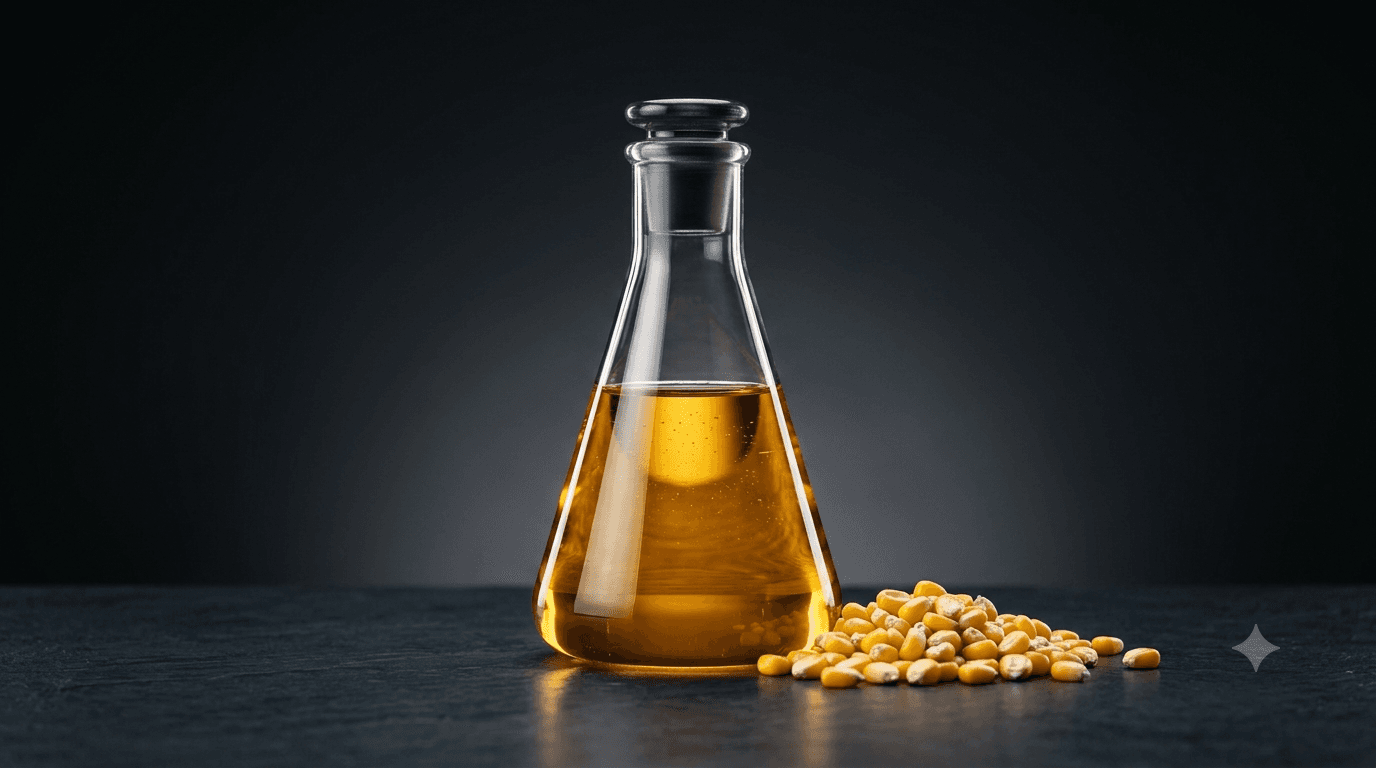
In 2026, spikes in agricultural commodity prices are reshaping the chemical industry. From citric acid to bio‑based amino acids, feedstock costs drive procurement strategies, influence food security, and accelerate the shift to sustainable alternatives.
We're committed to your privacy. Tradeasia uses the information you provide to us to contact you about our relevant content, products, and services. For more information, check out our privacy policy.