
Background: The Iran Conflict and Its Ripple Effect
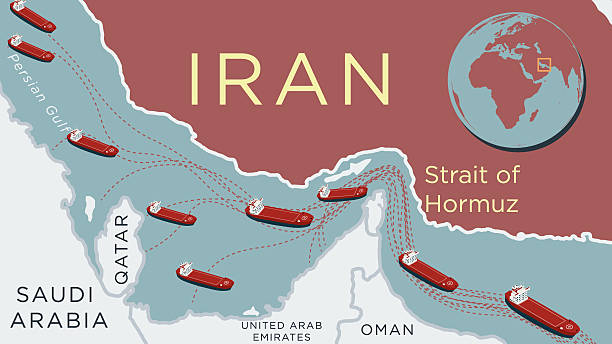
The 2026 conflict in Iran disrupted a key supply corridor for petrochemical raw materials. Turkey, which imports a significant portion of its PE and PP from the Middle East, felt the shock almost immediately. Shipping lanes were rerouted, port delays increased, and the overall lead times for polymer deliveries spiked.
Current Market Landscape in Turkey
PE Prices Turkey
PE prices have climbed by roughly 12% year‑over‑year, with spot market rates hovering around 1,450 USD per tonne. The volatility is driven by the following factors:
Limited new refinery capacity in the Gulf region.
Higher fuel costs for shipping due to rerouting.
Increased demand from downstream sectors such as packaging and construction.
PP Imports Turkey
PP import volumes have dipped to 1.2 million tonnes in the first half of 2026, down 8% from 2025 levels. Import prices have risen by 9%, reflecting the tightened supply. Turkish buyers are now looking toward alternative suppliers in Southeast Asia and Russia.
Challenges Facing Polymer Buyers
Supply Chain Disruption

Delays at major ports in the Levant and the need for additional customs checks have increased lead times by an average of 18 days. This unpredictability forces manufacturers to hold larger safety stocks, inflating inventory costs.
Price Volatility
Fluctuating freight rates, coupled with volatile crude oil prices, create a challenging pricing environment. Buyers are increasingly using hedging strategies, but the high cost of derivatives is a barrier for smaller firms.
Strategic Responses by the Turkish Polymer Industry
Diversification of Supply Sources
Major Turkish chemical distributors are expanding their portfolios to include:
Asian suppliers from Vietnam and Thailand.
European producers in Germany and the Netherlands.
Russian exporters, subject to geopolitical risk assessments.
This diversification reduces dependence on any single region.
Investment in Stockpiling and Storage
Companies are building new storage facilities and upgrading existing ones to store excess polymer during price dips. The average storage cost in Turkey is now about 0.15 USD per tonne per month.
Collaboration with Downstream Industries
Manufacturers and end‑users are negotiating longer-term contracts with fixed pricing clauses to mitigate the impact of sudden price spikes.
Regulatory and Policy Considerations
The Turkish Ministry of Industry has announced a temporary tariff reduction on polymer imports to cushion the industry during the recovery phase. Additionally, new customs procedures aim to shorten clearance times by 20% for petrochemical imports.
Outlook for the Rest of 2026
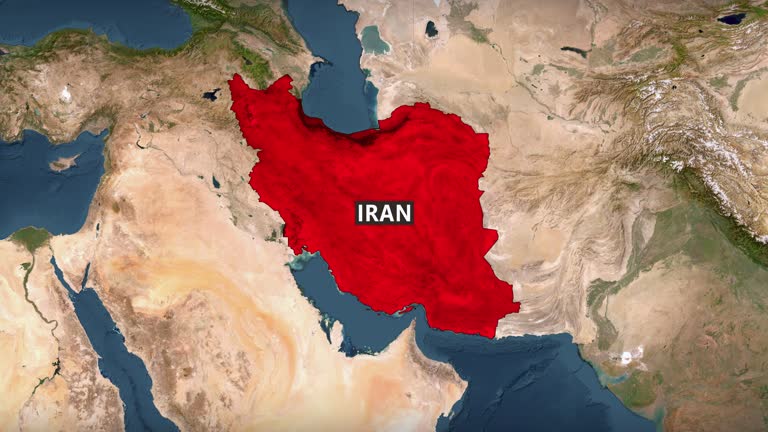
Analysts predict a gradual normalization of supply as the Iranian situation stabilizes and new refinery projects in the Gulf come online. PE prices are expected to settle within 5% of 2025 levels, while PP imports should rebound to 90% of pre‑war volumes by Q4 2026.
Companies that have already diversified their supply chains and invested in storage will be best positioned to navigate the lingering volatility. Those still heavily reliant on Middle Eastern sources may face continued price shocks and supply gaps.