
Urea (Granular) - Egypt CAS: 57-13-6
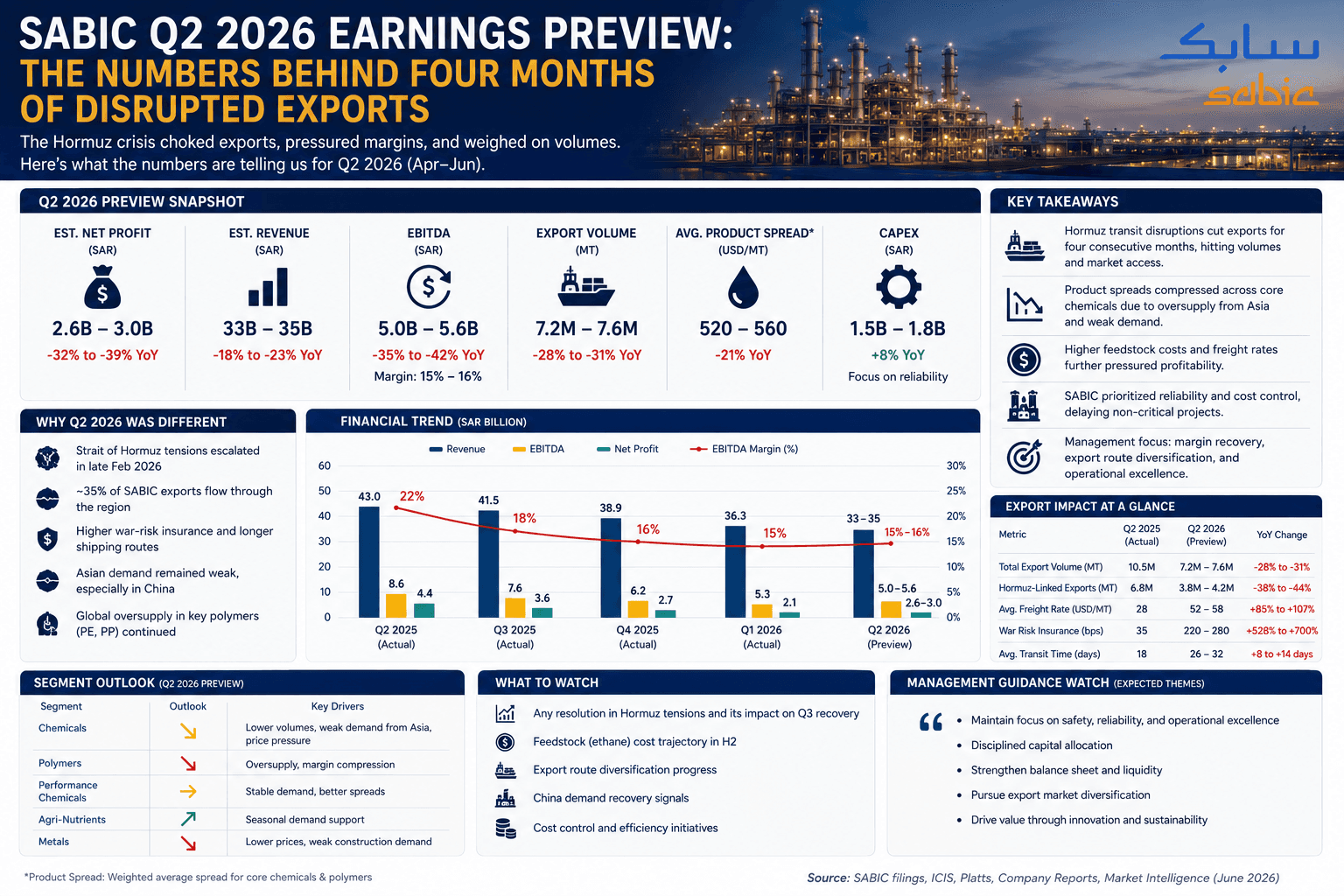
SABIC is expected to release one of the most important chemical industry earnings reports of 2026, revealing the financial impact of four months of disrupted exports and signaling whether Gulf producers will offer aggressive pricing incentives to win back customers in H2 recovery.
Commodity chemical markets close H1 2026 after an extraordinary period of price swings, supply disruptions and policy changes. This review highlights key movements in crude oil, urea, methanol, Gulf exports and procurement priorities for H2 planning.

South Korea's petrochemical industry closes H1 2026 after experiencing the most extensive force majeure declarations of any major chemical-producing nation during the Hormuz disruption. As feedstock supplies recover, buyers and suppliers are shifting their focus toward contract resumption and Q3 delivery planning.
Major NGL export terminal expansions along the US Gulf Coast are reshaping global ethane and propane trade flows. Chemical traders should prepare for continued logistics pressure as new export capacity comes online through late 2026.

Ammonium sulphate supply is tightening as European steel sector restructuring reduces by-product production while trade restrictions constrain Chinese imports. Fertilizer buyers in Asia are facing rising sourcing costs as supply pressure builds globally.
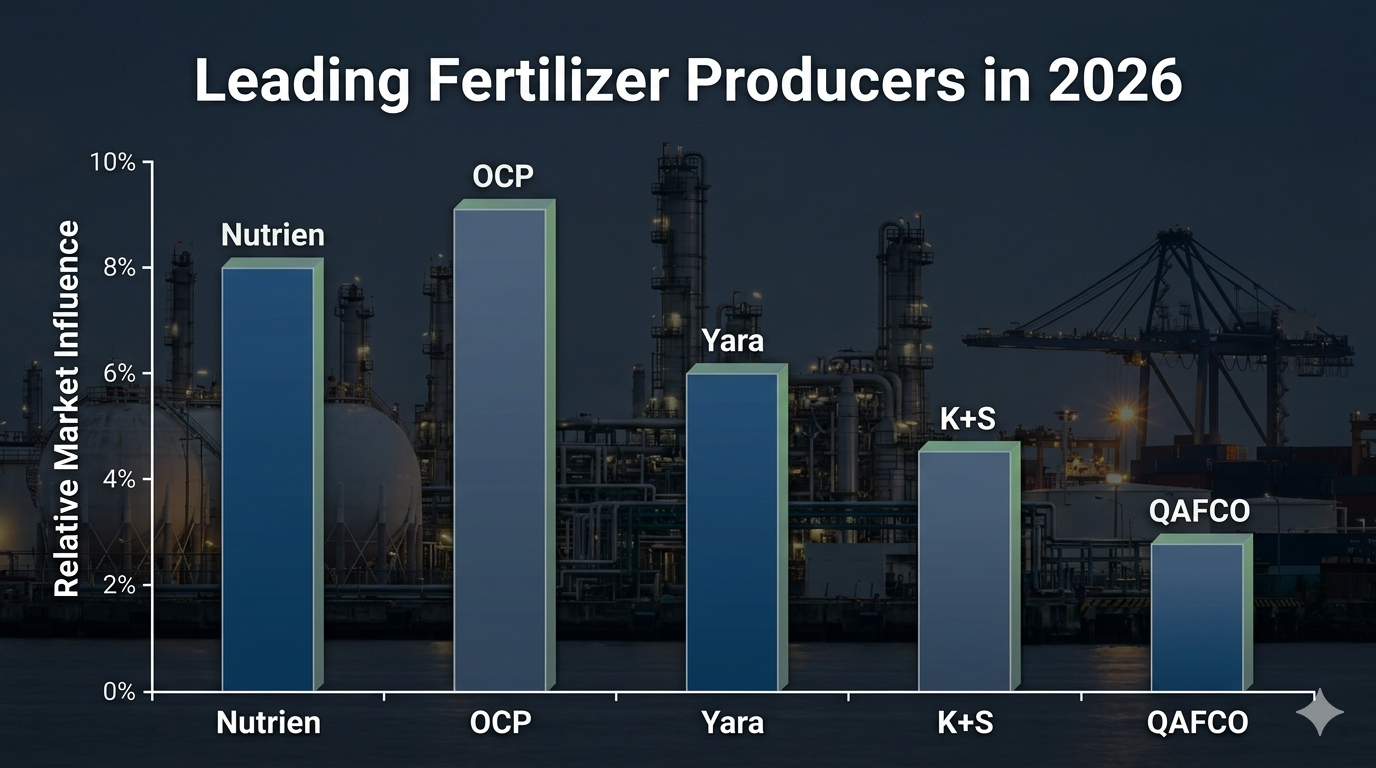
The June 19 Hormuz ceasefire agreement could restart ammonia exports from QAFCO and SABIC, but shipping delays and mine clearance operations mean buyers should closely monitor Gulf supply recovery before expecting full market normalization.
We're committed to your privacy. Tradeasia uses the information you provide to us to contact you about our relevant content, products, and services. For more information, check out our privacy policy.