

Related Insights
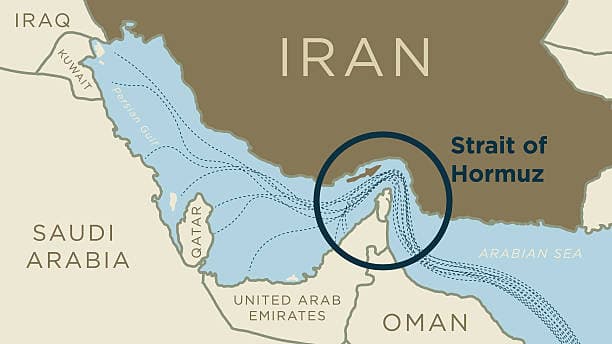
Fresh Clashes Near Hormuz Cut Ship Transits Again, Heightening Maritime Risk
The Strait of Hormuz has seen fresh clashes that are once again cutting vessel transits, disrupting the flow of chemicals and fertilizers. These tensions elevate freight risk and threaten the stability of the global supply chain.

CSRD and Chemical Supply Chain Due Diligence: How Ownership Transfers Affect Scope 3 Data
Supplier ownership changes can create unexpected challenges for Scope 3 emissions reporting under the Corporate Sustainability Reporting Directive. This guide explains how procurement and sustainability teams should manage supplier data continuity following ownership transfers.

Geopolitical Intelligence: Shielding Chemical Buyers from Market Volatility
In campanha for chemical procurement, real‑time geopolitical intelligence outpaces traditional weekly updates, protecting margins against volatile energy policies. By tracking policy shifts instantly, buyers secure stable pricing and smarter purchasing decisions. This article explains why legacy reports fail in today’s fast‑moving supply chain.
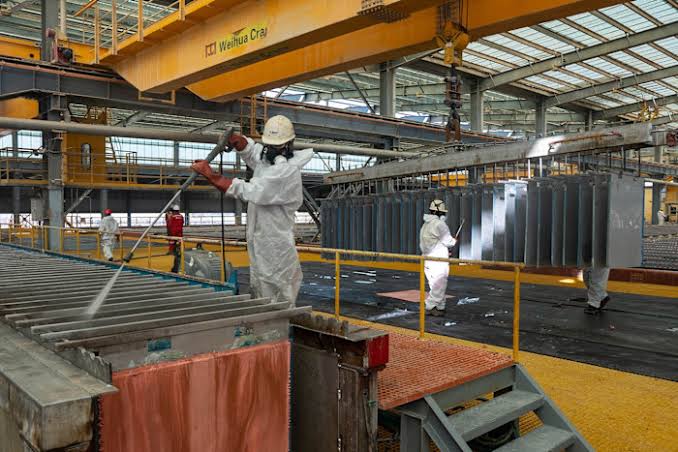
Sulfur Supply Recovery: Gulf Refinery By-Product and the 45% Global Share That Was Offline
The Hormuz crisis disrupted nearly 45% of global sulfur supply as Gulf refinery by-product exports collapsed for months. With vessel movement now improving, sulfur and sulfuric acid buyers may finally see the first meaningful cost relief in August after one of 2026’s most overlooked supply chain disruptions.

Australia Country Watch: The Southern Hemisphere Pre-Season Chemical Procurement Window Opens
Australia enters its critical pre-season agricultural procurement period with improving global logistics, lower freight costs and stronger chemical supply conditions. For fertilizer and agrochemical buyers, July represents the most important purchasing month before spring planting begins.

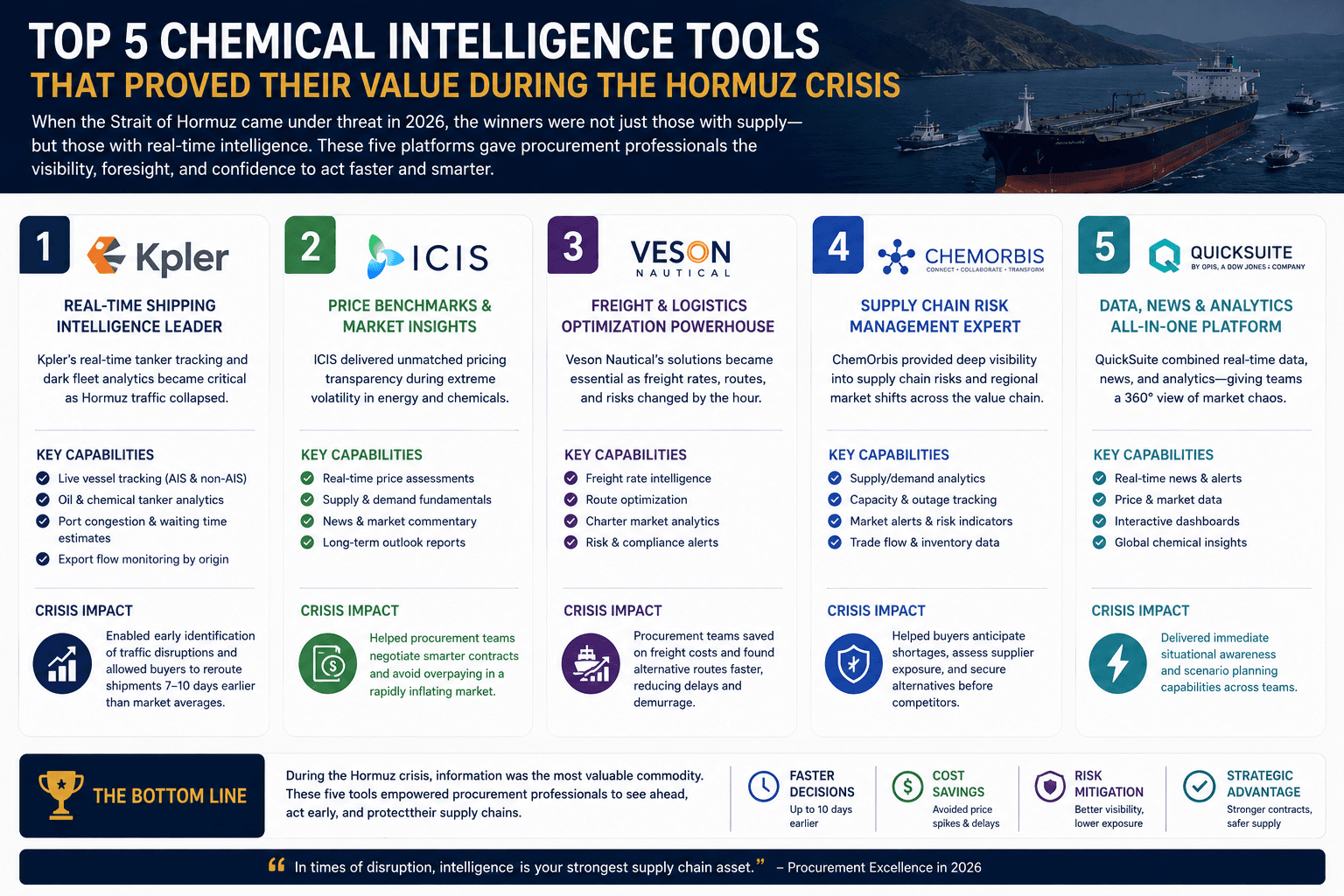
Chemical Logistics Digital Tools: AIS, PortWatch, and Real-Time Tracking in the Hormuz Era
The Hormuz crisis has transformed digital maritime intelligence from a competitive advantage into an operational necessity. Chemical supply chain managers are increasingly relying on real-time vessel tracking and analytics to support procurement and logistics decisions.
Don't miss out on our updates! Subscribe to our newsletter now
We're committed to your privacy. Tradeasia uses the information you provide to us to contact you about our relevant content, products, and services. For more information, check out our privacy policy.