


Stearyl Alcohol CAS: 112-92-5

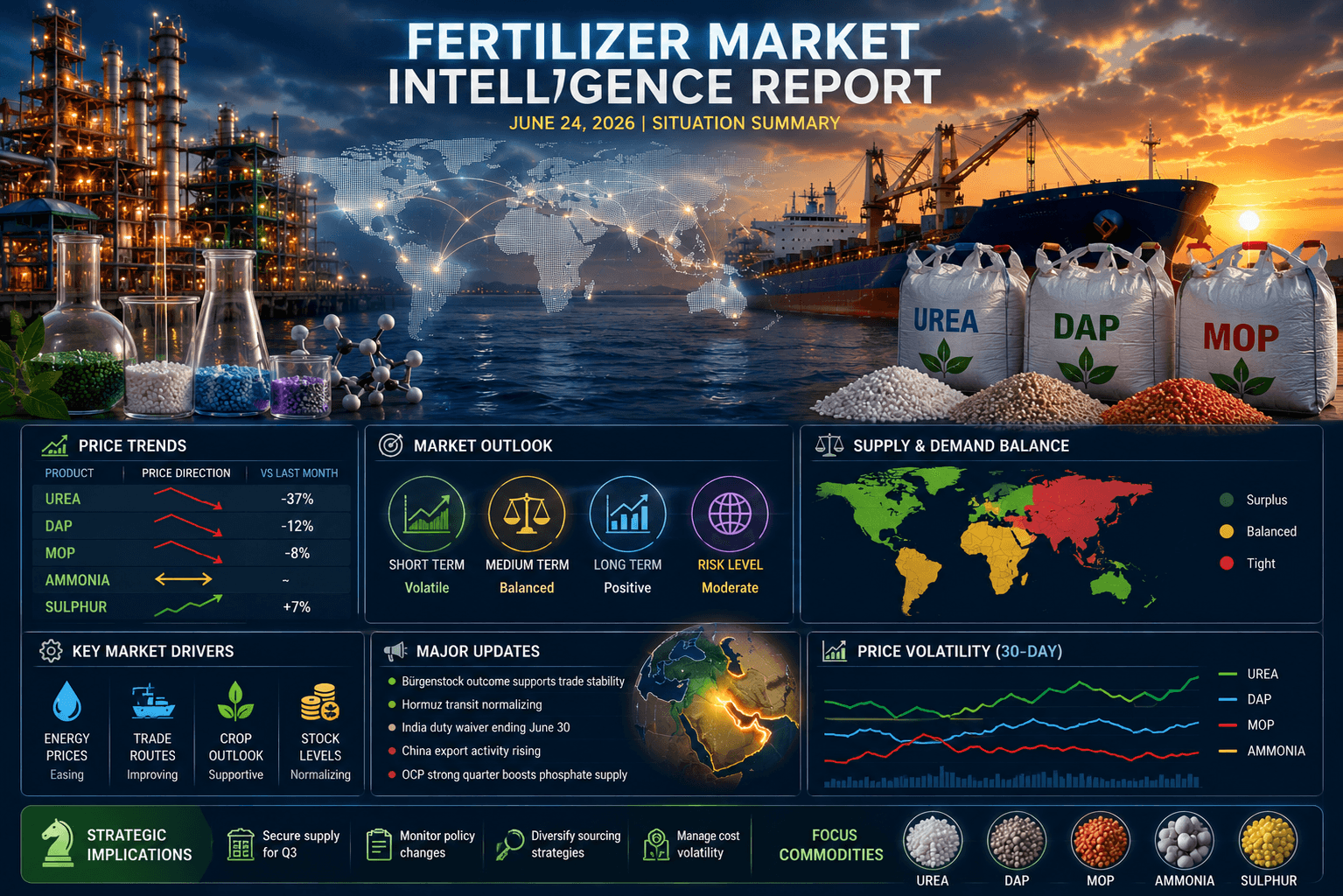
Global fertilizer markets are stabilizing after months of disruption, but June 2026 remains a critical procurement window. Urea prices are down 36%, ammonia exports may restart in July, and fertilizer buyers must navigate supply recovery, policy deadlines, and pricing uncertainty.

H1 2026 reshaped the global chemical industry through extreme price volatility, shipping disruption, fertilizer market shocks, and major shifts in trade flows. As H2 begins, Gulf supply is recovering — but procurement professionals must prepare for a market where risk remains far from over.

Sulfuric acid demand is entering a new phase as Morocco's OCP Group expands phosphate processing capacity and strengthens its role in global fertilizer supply. Rising consumption in Morocco and Indonesian nickel projects is reshaping sulfur trade flows, tightening availability and influencing procurement strategies across agricultural and industrial markets.
The global nylon market is poised for robust growth through 2034, fueled by rising demand in automotive, electrical, and consumer goods sectors. Emerging technologies such as recycled nylon and EV‑grade polymers are reshaping supply chains, while Asia‑Pacific remains the market leader. This article examines market dynamics, regional trends, and future opportunities for investors and manufacturers.
Fatty alcohols such as cetyl, stearyl and cetearyl are essential for texture, slip and stability in lotions and shampoos. Derived from palm kernel and coconut oils, these oleochemicals are winning market share as consumers demand natural, sustainably‑sourced ingredients.
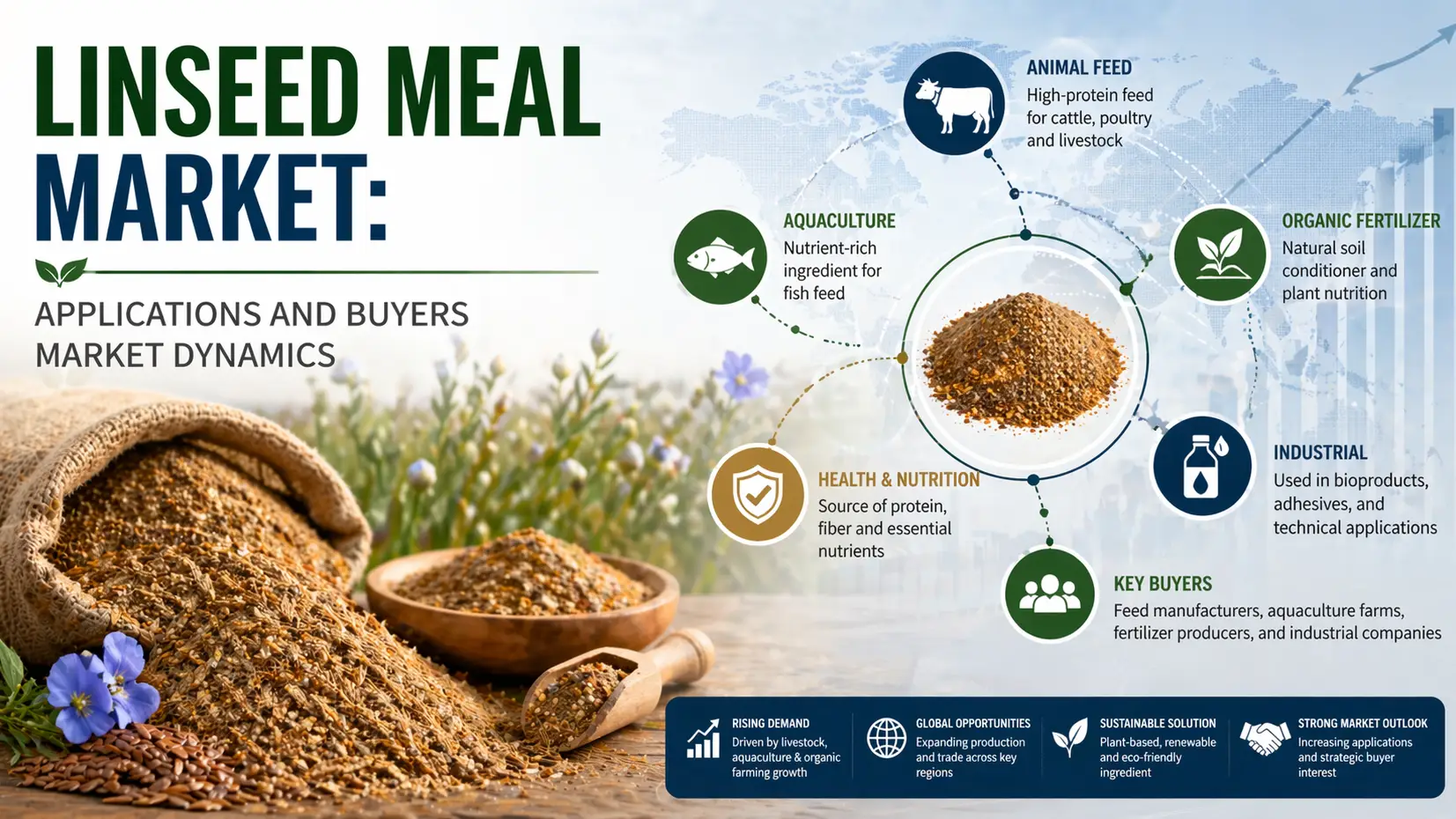
Linseed meal (2026–2046): ~4–6% CAGR; feed dominance, food/functional growth, bio-industrial uses; price volatile vs flaxseed, regional supply-driven.
We're committed to your privacy. Tradeasia uses the information you provide to us to contact you about our relevant content, products, and services. For more information, check out our privacy policy.