Specialty Solvents: Texas-Louisiana Post-Arthur Disruption Tests Gulf Coast Solvent Logistics
Introduction
The U.S. Gulf Coast has long served as the heart of North America's chemical and petrochemical industry, with Texas and Louisiana accounting for a substantial share of specialty solvent production and distribution. However, recent disruptions following Tropical Storm Arthur have once again highlighted the vulnerability of chemical supply chains to weather-related events.
Although production facilities have gradually resumed operations, the aftermath of the disruption continues to challenge logistics networks across the Gulf Coast. Delays in transportation, inventory imbalances, and infrastructure bottlenecks are creating uncertainty for specialty solvent suppliers and buyers alike. For industries that depend on reliable solvent availability—including coatings, adhesives, pharmaceuticals, electronics, and industrial manufacturing—the situation underscores the growing importance of supply chain resilience.
Why the Gulf Coast Matters for Specialty Solvents
The Texas-Louisiana corridor is one of the world's largest chemical manufacturing hubs and plays a critical role in the production and export of specialty solvents.
Key products manufactured and distributed in the region include:
N-Butanol
Isopropyl Alcohol (IPA)
Methyl Isobutyl Ketone (MIBK)
Cyclohexanone
Ethyl Acetate
Glycol Ethers
Specialty Hydrocarbon Solvents
The region benefits from:
Extensive petrochemical infrastructure
Major export terminals
Integrated pipeline systems
Rail and trucking networks
Bulk liquid storage facilities
Because so much production is concentrated in this area, even temporary disruptions can impact solvent availability across domestic and international markets.
The Impact of Post-Arthur Logistics Disruptions
Transportation Delays
One of the most immediate effects of severe weather events is disruption to transportation infrastructure.
Following the storm, companies have faced:
Port scheduling delays
Rail congestion
Reduced trucking availability
Temporary road access restrictions
Delayed barge traffic
These issues have slowed the movement of both feedstocks and finished solvent products throughout the Gulf Coast region.
Inventory Imbalances
Supply chain interruptions often create uneven inventory distribution.
While some facilities may have sufficient stock, customers in affected regions may encounter:
Extended lead times
Lower spot market availability
Delayed contract deliveries
Increased safety stock requirements
This imbalance can create localized shortages despite adequate overall market supply.
Storage and Terminal Constraints
As product movement slows, storage terminals experience increased pressure.
Challenges may include:
Higher tank occupancy rates
Reduced loading flexibility
Scheduling bottlenecks
Increased handling costs
These factors can further complicate distribution efforts during recovery periods.
Effects on Major Solvent End Markets
Coatings and Paints
The coatings industry remains one of the largest consumers of specialty solvents.
Potential impacts include:
Higher delivered solvent costs
Longer procurement timelines
Increased inventory planning requirements
Greater price volatility
Manufacturers may need to adjust production schedules if supply disruptions persist.
Adhesives and Sealants
Adhesive producers rely heavily on consistent solvent supply for formulation and processing.
Logistical challenges can affect:
Production efficiency
Raw material sourcing
Customer delivery commitments
Working capital requirements
Pharmaceuticals and Electronics
High-purity specialty solvents used in pharmaceutical and electronics applications often have limited substitution options.
Even minor disruptions can create significant challenges for manufacturers that require uninterrupted access to specific solvent grades.
Rising Logistics Costs
Transportation disruptions frequently result in higher overall supply chain expenses.
Contributing factors include:
Increased freight rates
Emergency transportation requirements
Equipment shortages
Terminal congestion
Additional storage expenses
These costs may eventually be reflected in solvent pricing, even if underlying feedstock costs remain stable.
Supply Chain Resilience Becomes a Competitive Advantage
Recent disruptions are encouraging companies to reassess their logistics and sourcing strategies.
Diversified Transportation Networks
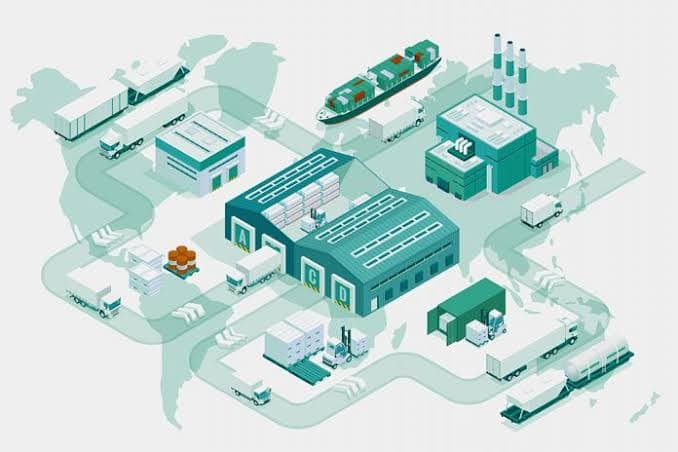
Businesses are increasingly utilizing multiple transportation modes to reduce dependence on a single logistics channel.
Strategic Inventory Management
Many buyers are increasing inventory buffers for critical solvent grades to improve supply security.
Regional Warehousing Expansion
Additional storage capacity outside high-risk areas provides greater flexibility during future disruptions.
Digital Supply Chain Monitoring
Advanced tracking and visibility tools help companies identify risks earlier and respond more effectively to changing conditions.
Opportunities for Logistics and Distribution Providers
The current environment is creating growth opportunities for companies offering specialized logistics services.
Demand is increasing for:
Chemical warehousing
Bulk liquid storage
Dedicated transportation solutions
Supply chain visibility platforms
Emergency distribution services
Providers that can deliver reliability and flexibility are likely to see increased demand from chemical manufacturers and distributors.
Strategic Recommendations for Solvent Buyers
To minimize disruption risks, buyers should consider:
Maintaining safety stock for critical solvent products.
Qualifying multiple suppliers where possible.
Diversifying transportation and distribution channels.
Monitoring Gulf Coast weather and infrastructure developments.
Establishing long-term logistics partnerships.
Improving demand forecasting and inventory planning processes.
These measures can help ensure greater supply continuity during periods of market uncertainty.
Future Outlook
While Gulf Coast infrastructure remains among the most advanced in the world, weather-related disruptions are expected to remain a recurring challenge. Climate-related risks, growing supply chain complexity, and increasing demand for specialty chemicals will continue to test logistics networks across the region.
As a result, both suppliers and buyers are likely to place greater emphasis on resilience, flexibility, and risk management in future supply chain planning.
Conclusion
The post-Arthur disruption serves as a reminder that logistics performance is just as important as production capacity in the specialty solvents market. Transportation delays, inventory imbalances, and storage constraints have highlighted vulnerabilities within the Gulf Coast supply chain.
For solvent manufacturers, distributors, and end users, strengthening logistics strategies, diversifying sourcing options, and investing in supply chain resilience will be essential to maintaining reliable operations and navigating future disruptions successfully.
2-Ethylhexyl Acrylate CAS: 103-11-7