
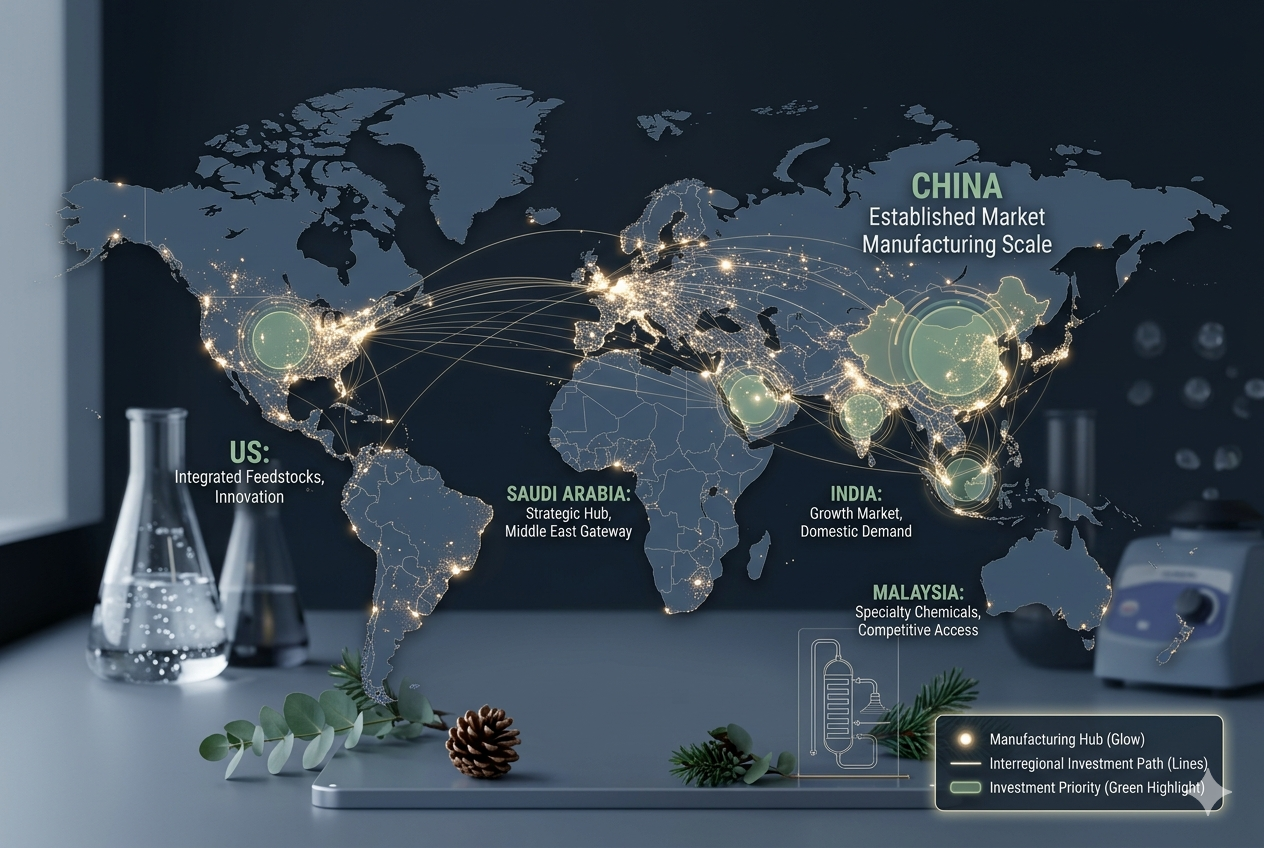
Methanol CAS: 67-56-1

Methanol CAS: 67-56-1
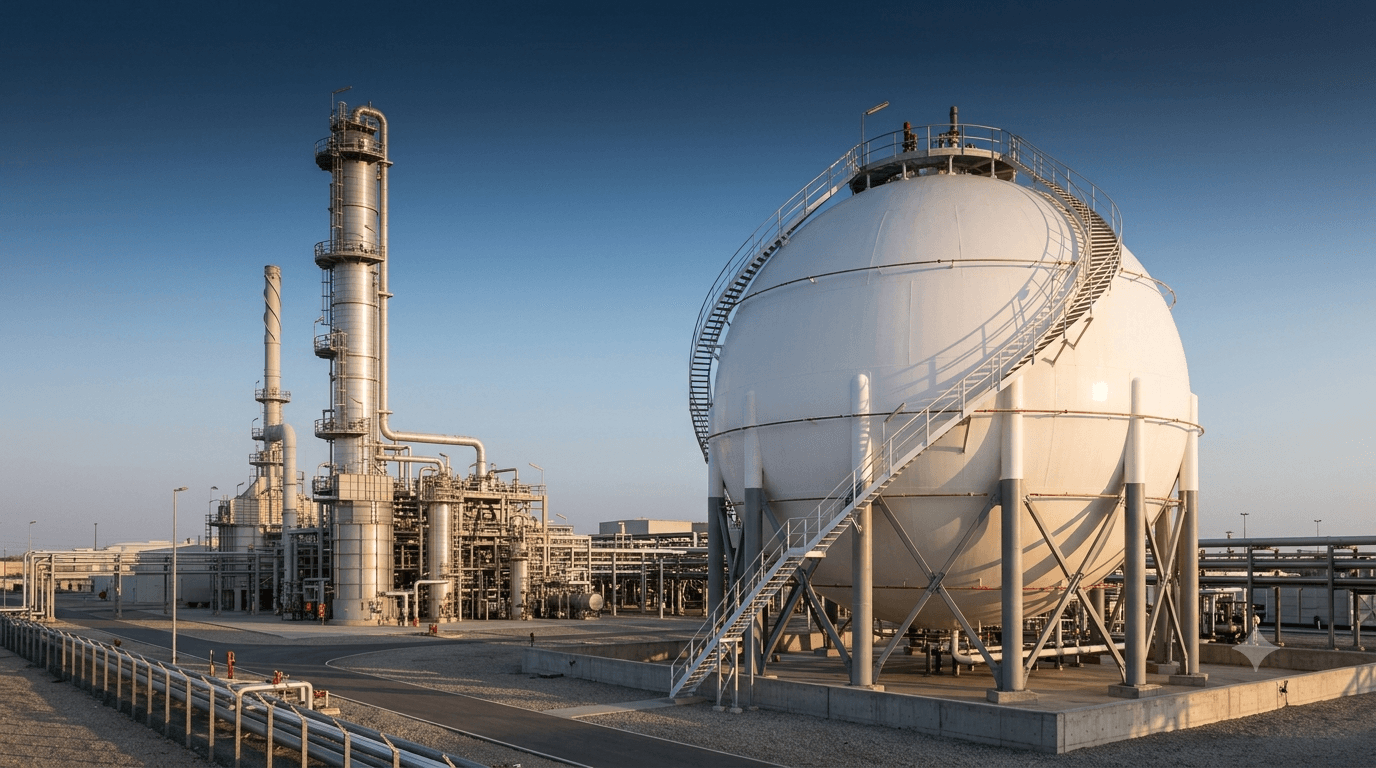
Wood Mackenzie's latest market assessment suggests the Hormuz disruption could permanently reshape global chemical production. Procurement teams that identify supplier risks early and qualify alternative sources now will stand in a stronger position as supply tightens.

China's expected easing of urea export restrictions could significantly influence global fertilizer markets during Q3 2026. Fertilizer buyers should evaluate procurement timing carefully as additional supply may reshape international pricing.
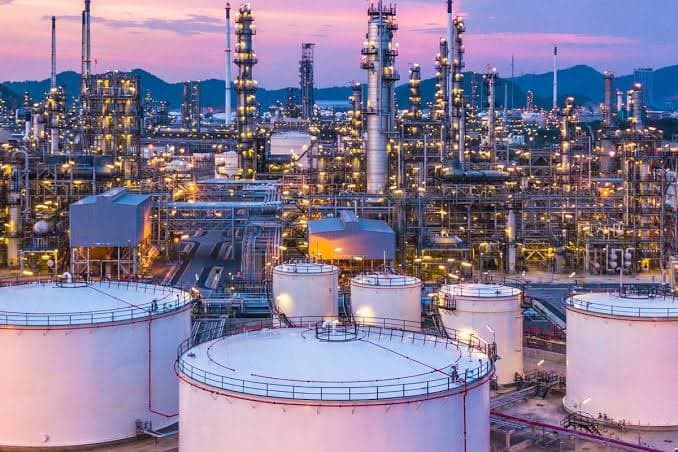
Saudi Arabia's chemical industry closes H1 2026 with SABIC's Ras Tanura terminal restart marking the clearest signal that Gulf petrochemical exports are recovering. As Q3 deliveries resume, international buyers should focus on contract sequencing and supplier engagement rather than assuming immediate spot market availability.
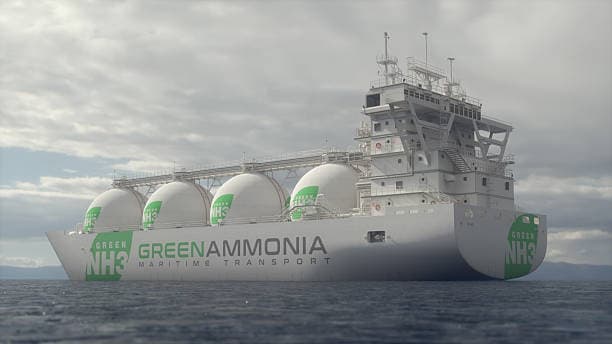
The Gulf’s ambitious green ammonia projects are facing a shift in timelines, with Saudi Arabia, UAE and Oman moving first commercial deliveries from 2026 to 2027–2028. This delay impacts offtake agreements, market expectations and the broader decarbonisation strategy across the region. TradeAsia explores the implications for investors and industry stakeholders.
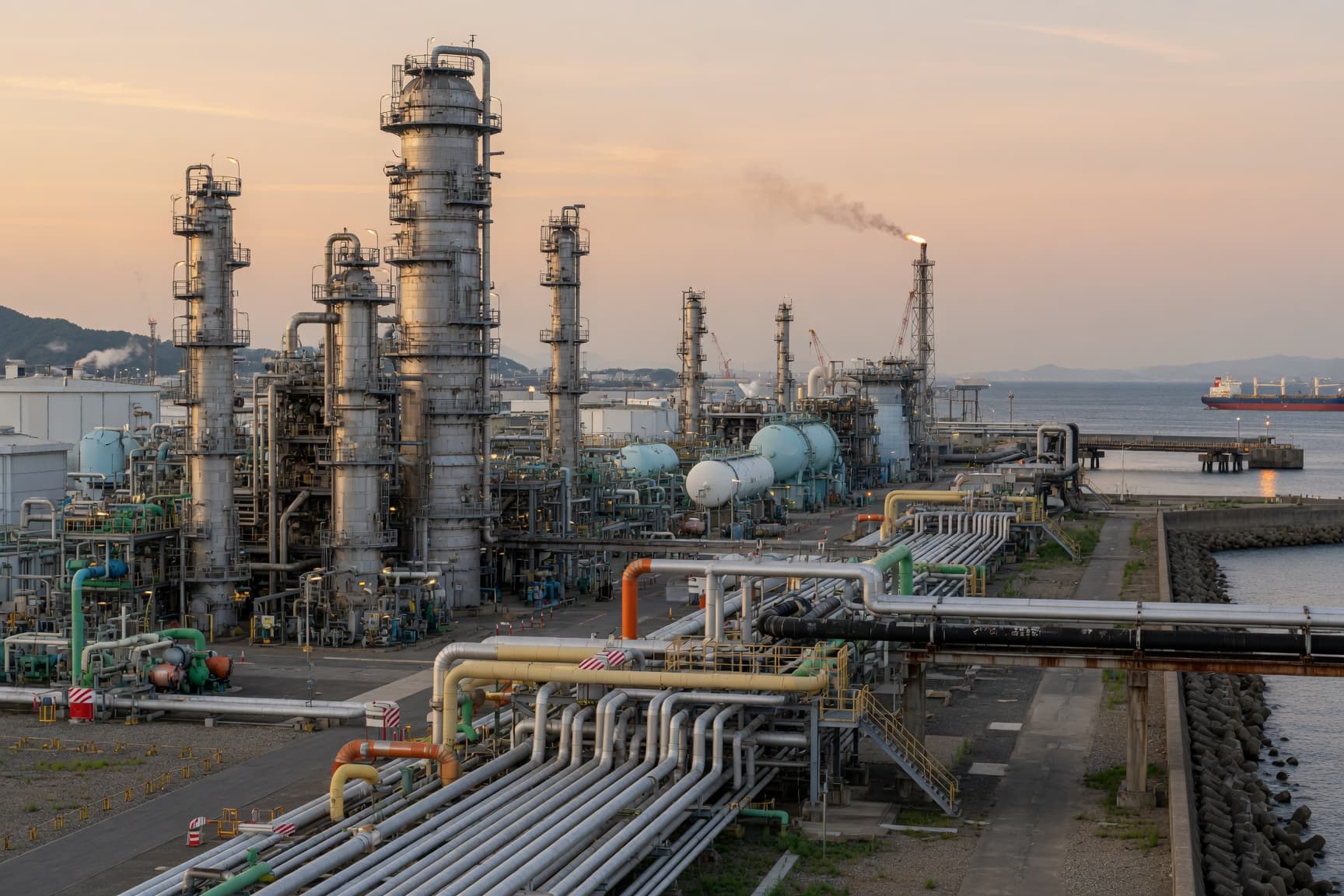
Japan’s petrochemical sector is facing major feedstock pressure as naphtha cracker utilization falls sharply after supply disruptions. Buyers and producers are increasingly evaluating bioethanol-based alternatives and circular economy strategies for future chemical production.
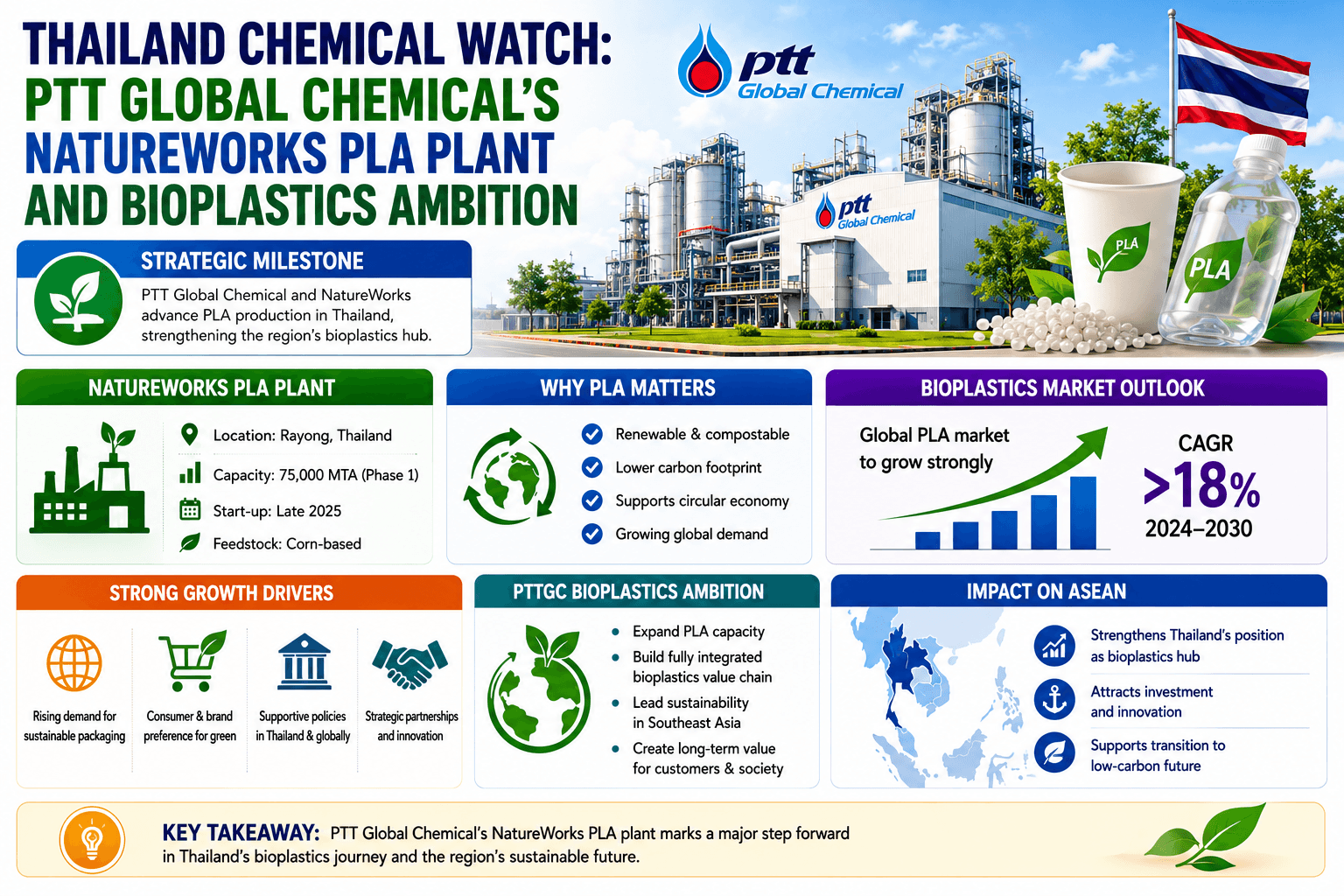
Thailand is accelerating its chemical industry transformation through domestic PLA bioplastics production and diversified US ethane sourcing. PTT Global Chemical’s latest investments signal Southeast Asia’s growing focus on sustainable materials and long-term feedstock security.
We're committed to your privacy. Tradeasia uses the information you provide to us to contact you about our relevant content, products, and services. For more information, check out our privacy policy.