
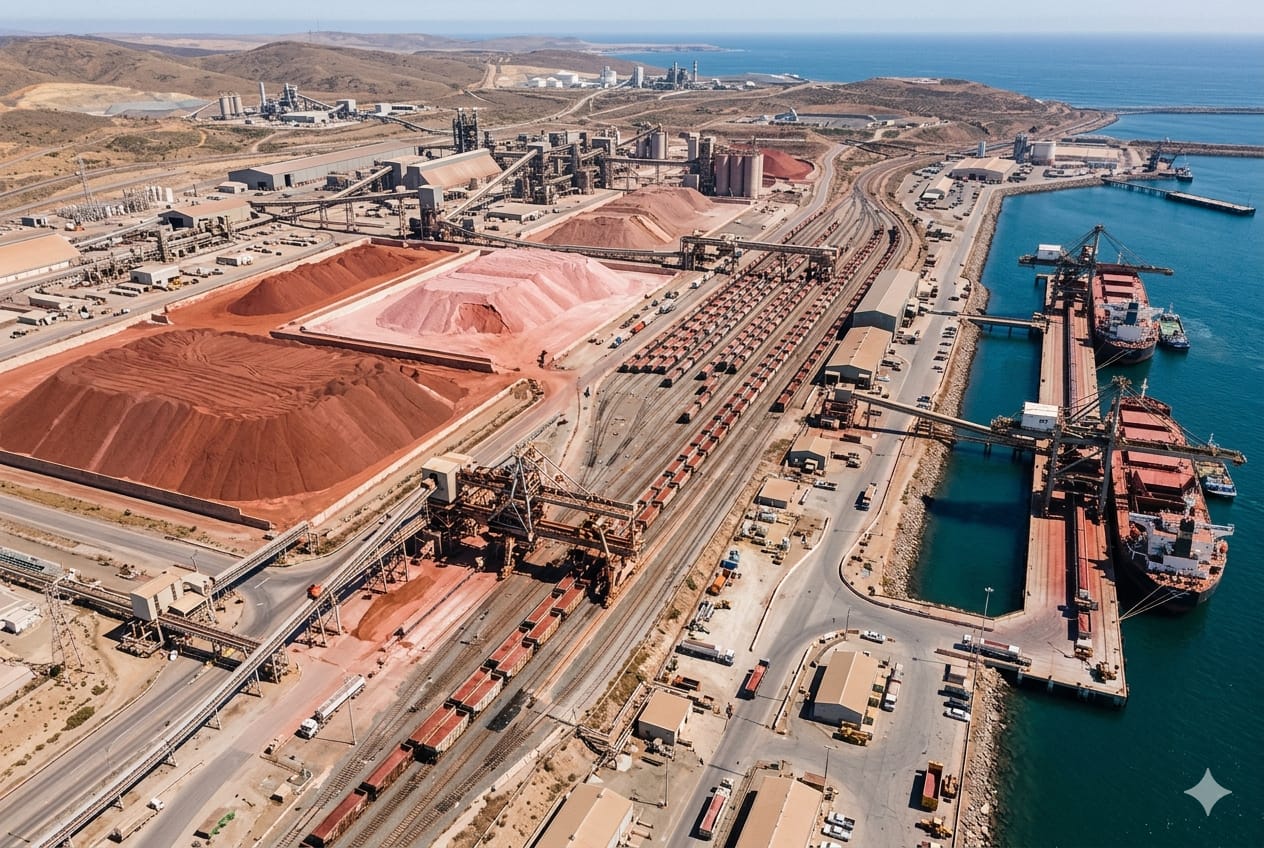
Potassium Sulphate - Indonesia CAS: 7778-80-5

Japanese chemical manufacturers are shifting investment away from China toward India after years of deepening engagement in Chinese markets. The pivot centers particularly on solar materials and reflects broader frustrations with operating conditions in China that procurement teams managing Asian supply chains must understand as sourcing patterns reshape across the region.
China’s latest NDRC decarbonization policy is reshaping the ethylene market, boosting the competitiveness of domestic crackers and influencing global petrochemical pricing trends by 2026. This article examines the policy’s key drivers, market shifts, and long‑term implications.

The global PET market faces a rare combination of weak demand and escalating freight costs in June 2026. While packaging consumption remains subdued, supply constraints and shipping disruptions continue to support market fundamentals and reshape procurement strategies.
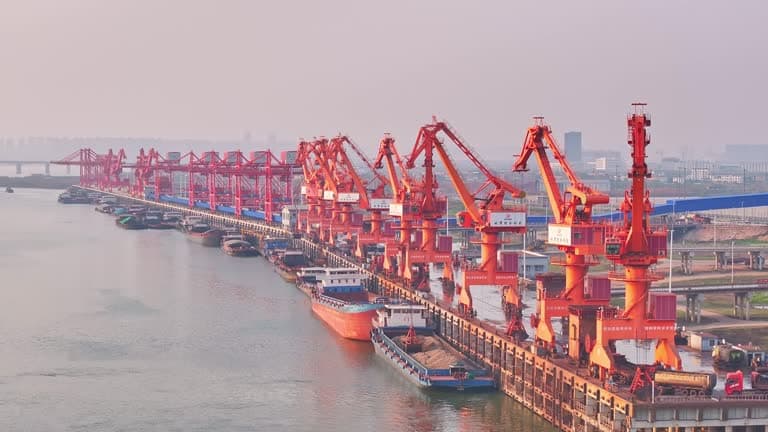
By 2026 the global ascorbic acid market will still be anchored by China, yet freight cost inflation and new regulatory pressures are reshaping procurement strategies. Companies must navigate logistics premiums, ensure ICs2 compliance, and diversify suppliers to mitigate risk.
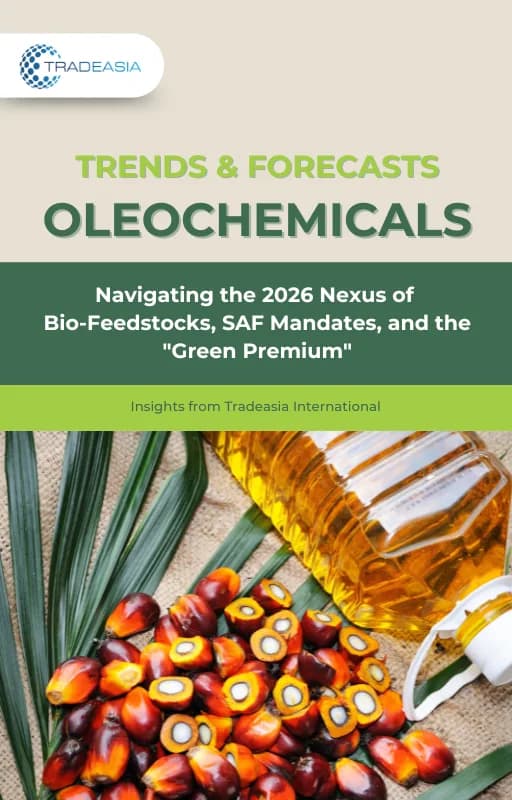
Ammonium sulphate supply is tightening as European steel sector restructuring reduces by-product production while trade restrictions constrain Chinese imports. Fertilizer buyers in Asia are facing rising sourcing costs as supply pressure builds globally.
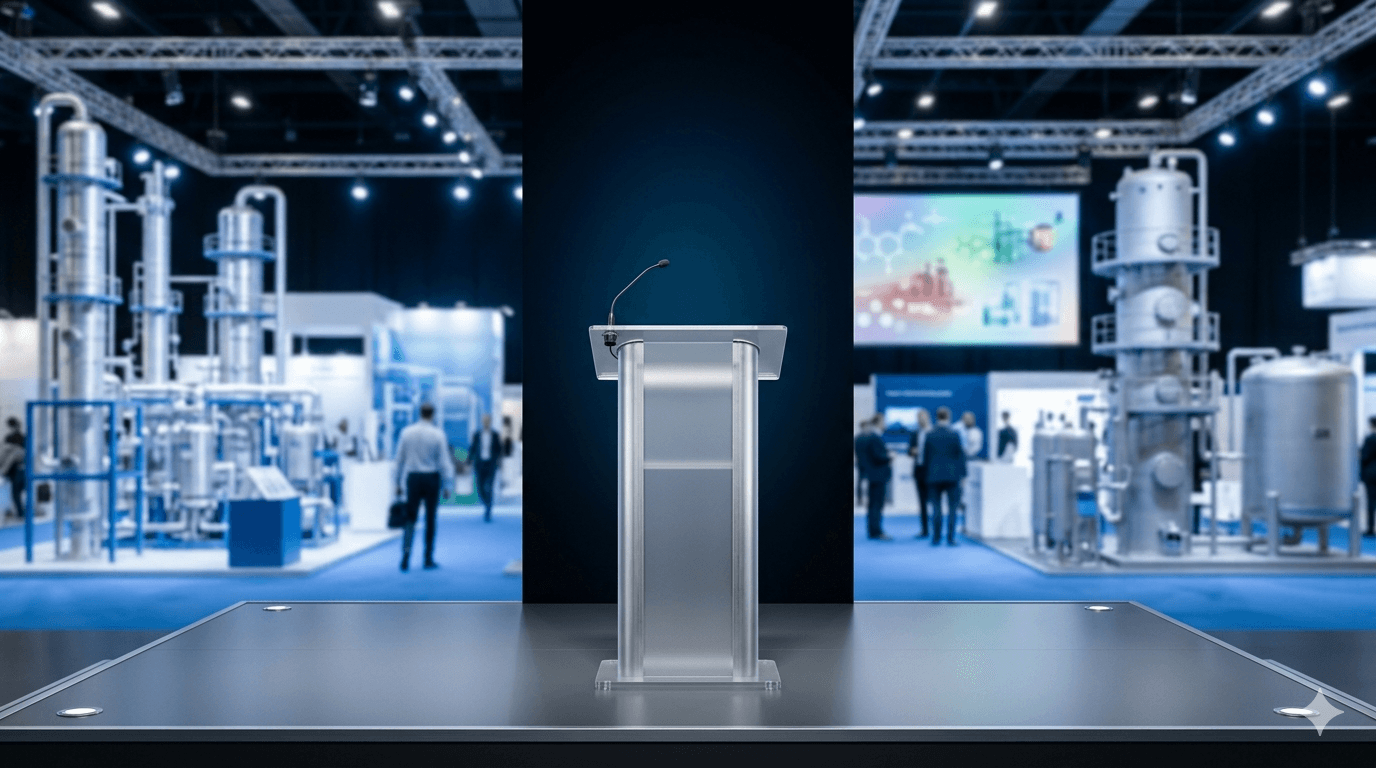
ChemCon Asia 2026 in Singapore is redefining chemical trade strategies across Asia, with a focus on CBAM compliance, ASEAN market dynamics, and supply chain resilience amid the Hormuz crisis. The event underscores sustainability as the new competitive edge.
We're committed to your privacy. Tradeasia uses the information you provide to us to contact you about our relevant content, products, and services. For more information, check out our privacy policy.