

Citrus Pulp CAS: 94266-47-4

Citrus Pulp CAS: 94266-47-4

Despite a steady rise in crude output, Gulf refineries are still catching up, creating a mismatch between supply and demand for refined products. This article explores the causes, the effects on petrochemical feedstocks, and how export logistics are being reshaped by the slowdown.

Canadian potash tariff uncertainty continues to shape U.S. buyers’ procurement decisions and pricing expectations, even though no formal trade barriers have been imposed. This article explores the lingering risk, its impact on supply chains, and strategic responses adopted by the industry.
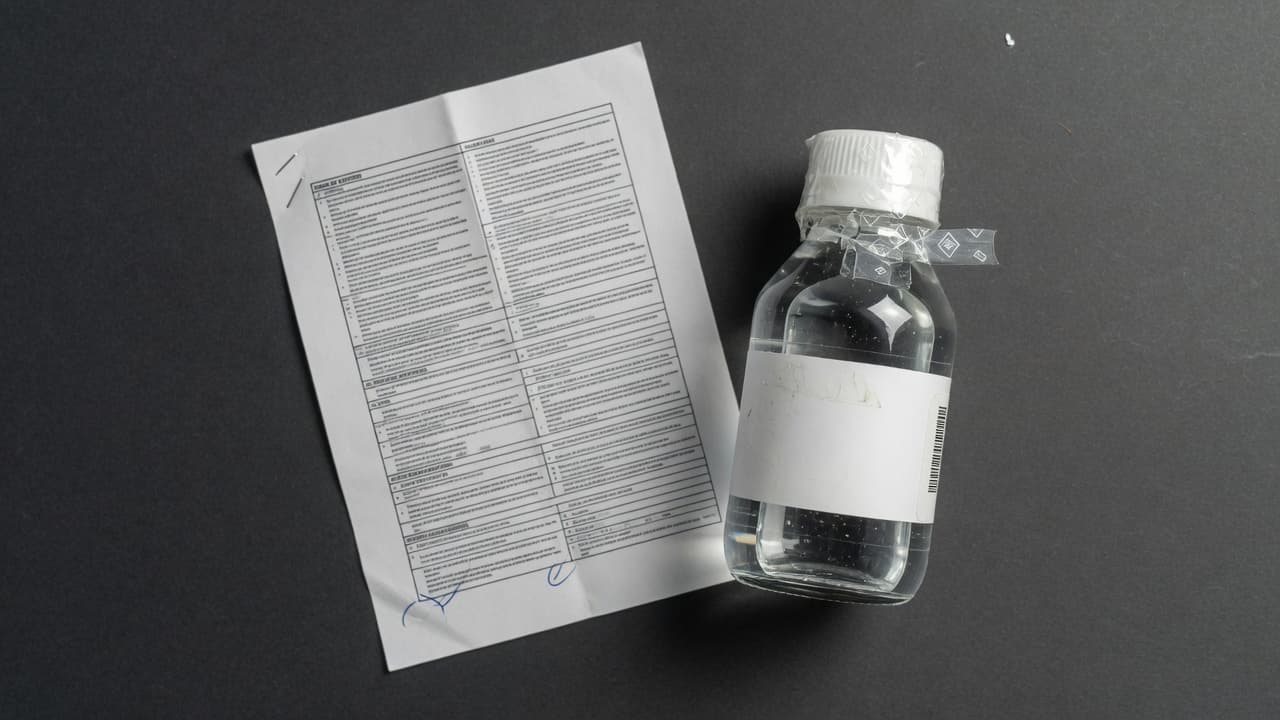
The July 20 PFAS comment deadline is an important milestone, but it is far from the end of the EPA's regulatory process. This guide explains what happens next, why litigation remains likely and how procurement teams should plan for regulatory uncertainty.
A definitive analytical article for Day 125 of the Hormuz crisis: what has permanently changed about the chemical procurement profession itself, not just the market conditions it manages.

South Korea's petrochemical industry closes H1 2026 after experiencing the most extensive force majeure declarations of any major chemical-producing nation during the Hormuz disruption. As feedstock supplies recover, buyers and suppliers are shifting their focus toward contract resumption and Q3 delivery planning.

The 2024 Hormuz crisis rattled global chemical markets, forcing buyers to rethink sourcing. Japan, India, South Korea, the GCC, and Germany were hardest hit, with soaring costs, shortages, and a shift toward diversified procurement. Read how each region adapted its strategy.
We're committed to your privacy. Tradeasia uses the information you provide to us to contact you about our relevant content, products, and services. For more information, check out our privacy policy.