
Related Insights
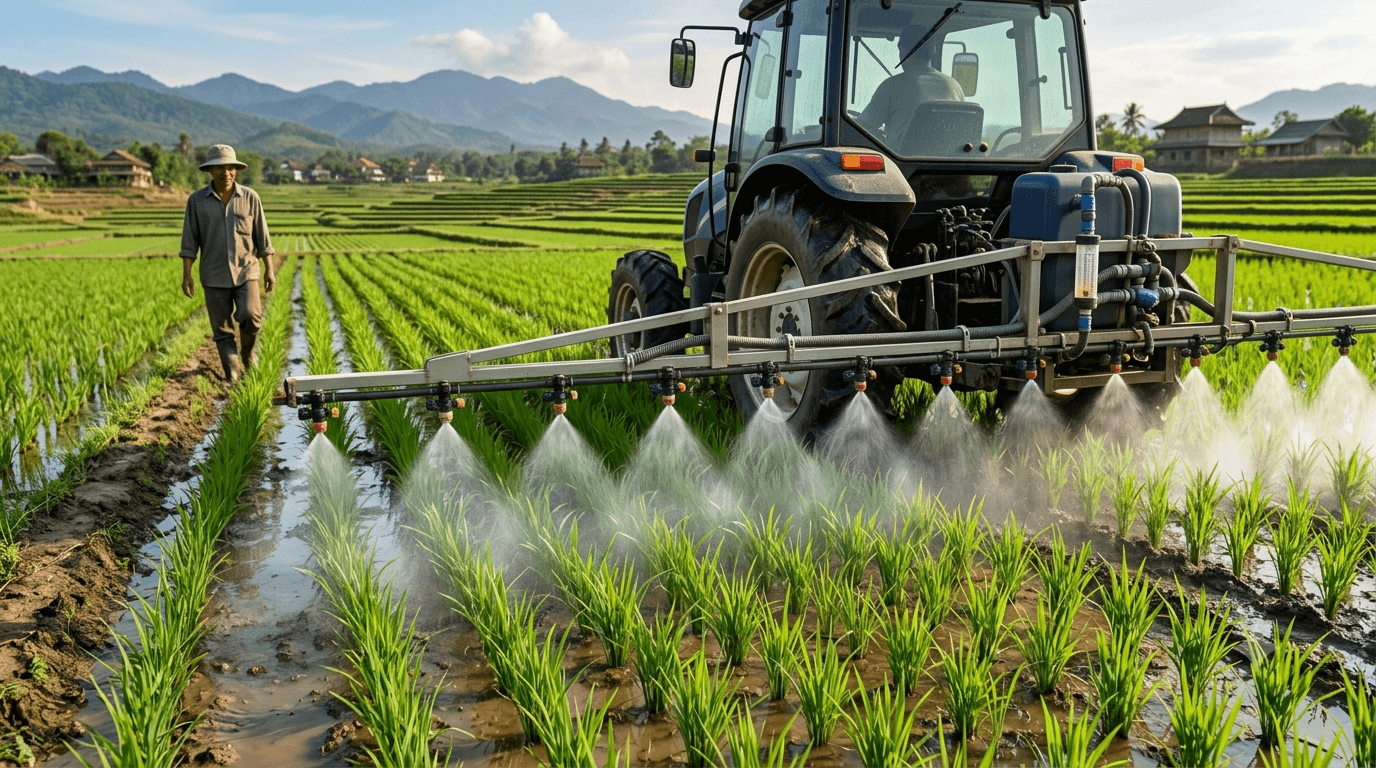
Japan's Agrochemical Pivot Toward India: Following the Solar Materials Playbook
As Japanese chemical makers redirect investment from China to India across sectors like solar materials, agrochemical suppliers are watching whether a similar shift plays out in crop protection. For procurement teams managing fungicide, herbicide and insecticide portfolios, understanding whether this geographic pivot extends to agricultural chemicals matters for supply chain planning and sourcing strategy.

PVC Supply Chain Risk: How Disruptions at a Major Gulf Petrochemical Hub Could Reshape Global Procurement
PVC buyers increasingly face supply chain risks that extend beyond simple price fluctuations. This analysis examines how prolonged disruptions at a major Gulf petrochemical hub could influence global PVC availability, sourcing strategies and procurement decisions over the coming years.
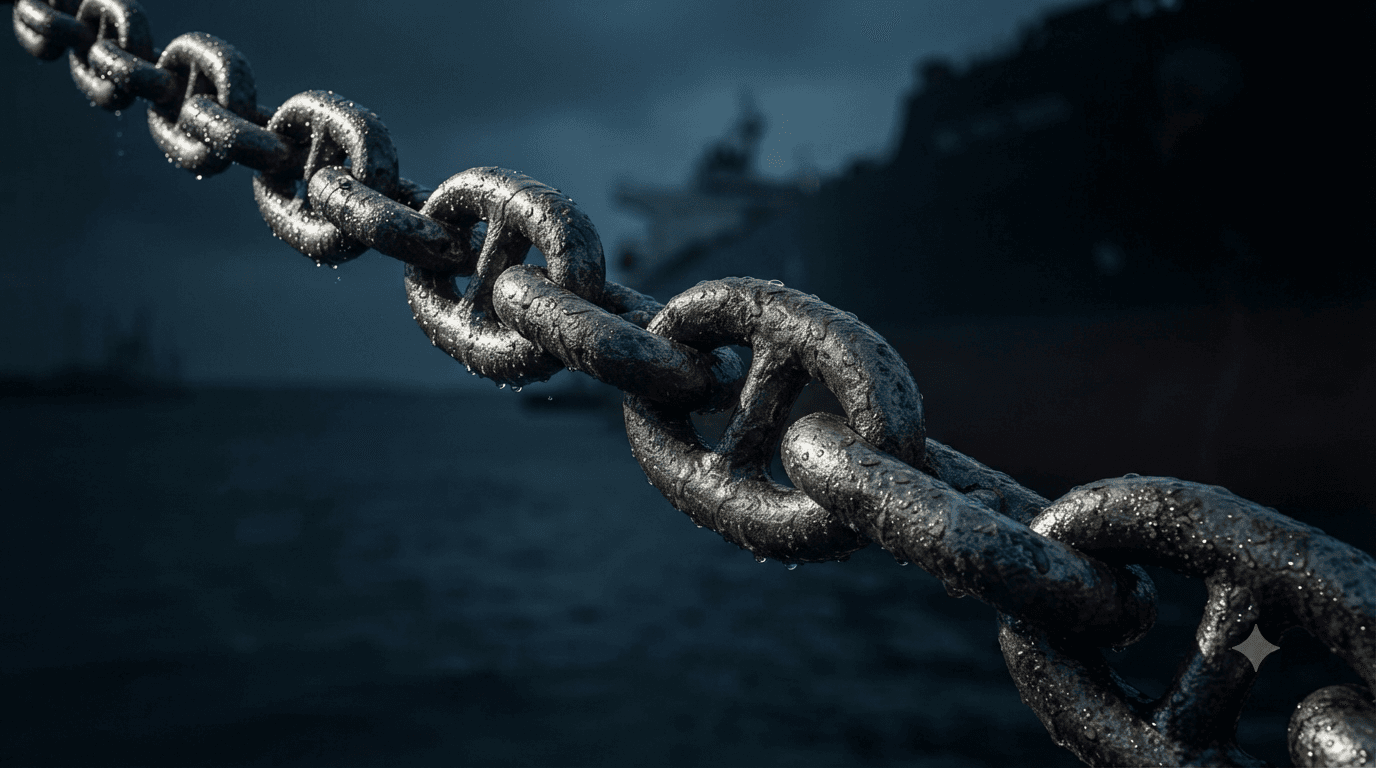
The 22,500 Mariners Stranded in the Gulf: What the Hormuz Human Cost Means for Chemical Procurement
More than 22,500 mariners remain stuck on over 1,550 vessels in the Persian Gulf, a human crisis behind every delayed chemical shipment. For procurement teams sourcing from Gulf producers, this is no longer a distant headline but a direct line item in supply chain risk.
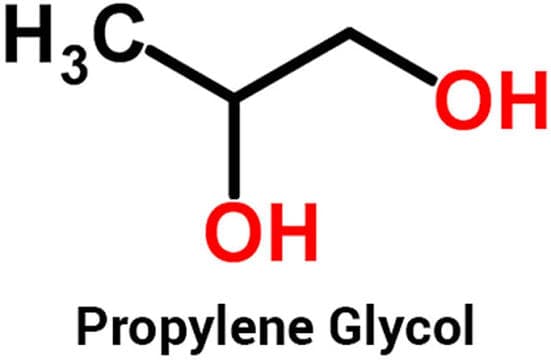
Propylene Glycol USP: Post-LyondellBasell POSM Closure – Q3 Supply Assessment
The closure of major propylene oxide capacity has tightened the global supply of USP-grade propylene glycol. Pharmaceutical manufacturers should prioritize supply security and GMP-certified sourcing as Q3 2026 procurement begins.
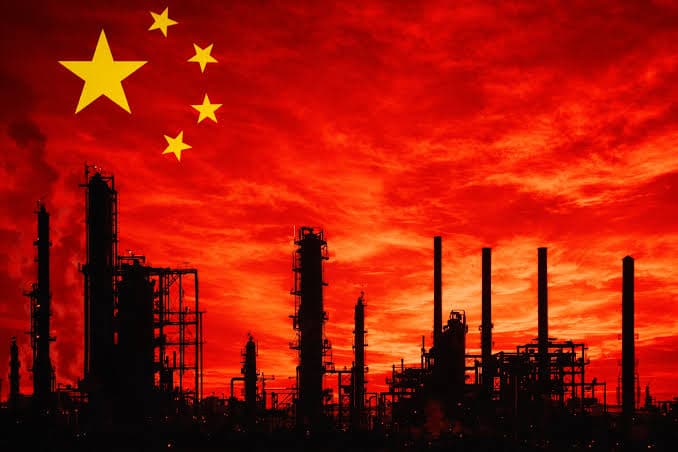
China Chemical Watch: H1 2026 Closing Review, The World's Swing Supplier and What Buyers Should Expect in H2
China's chemical industry ended H1 2026 as the world's primary swing supplier, filling supply gaps created by disruptions in Gulf exports. As Middle Eastern production steadily returns, procurement teams must determine which Chinese export advantages remain permanent and which were driven by exceptional market conditions.

Post-Crisis Chemical Supply Chain Architecture: What Permanent Changes to Embed Now
The 2026 Hormuz crisis exposed structural weaknesses in global chemical supply chains. The lessons learned should now be translated into permanent procurement policies that strengthen resilience long after the crisis ends.
Don't miss out on our updates! Subscribe to our newsletter now
We're committed to your privacy. Tradeasia uses the information you provide to us to contact you about our relevant content, products, and services. For more information, check out our privacy policy.