
Citric Acid Anhydrous (E330) CAS: 77-92-9
Citric Acid Anhydrous (E330) CAS: 77-92-9

The EIA's July outlook was built around assumptions that changed within weeks after the ceasefire collapsed. Chemical procurement and compliance teams should adopt scenario-based planning to strengthen supply chain resilience in an increasingly unpredictable market.

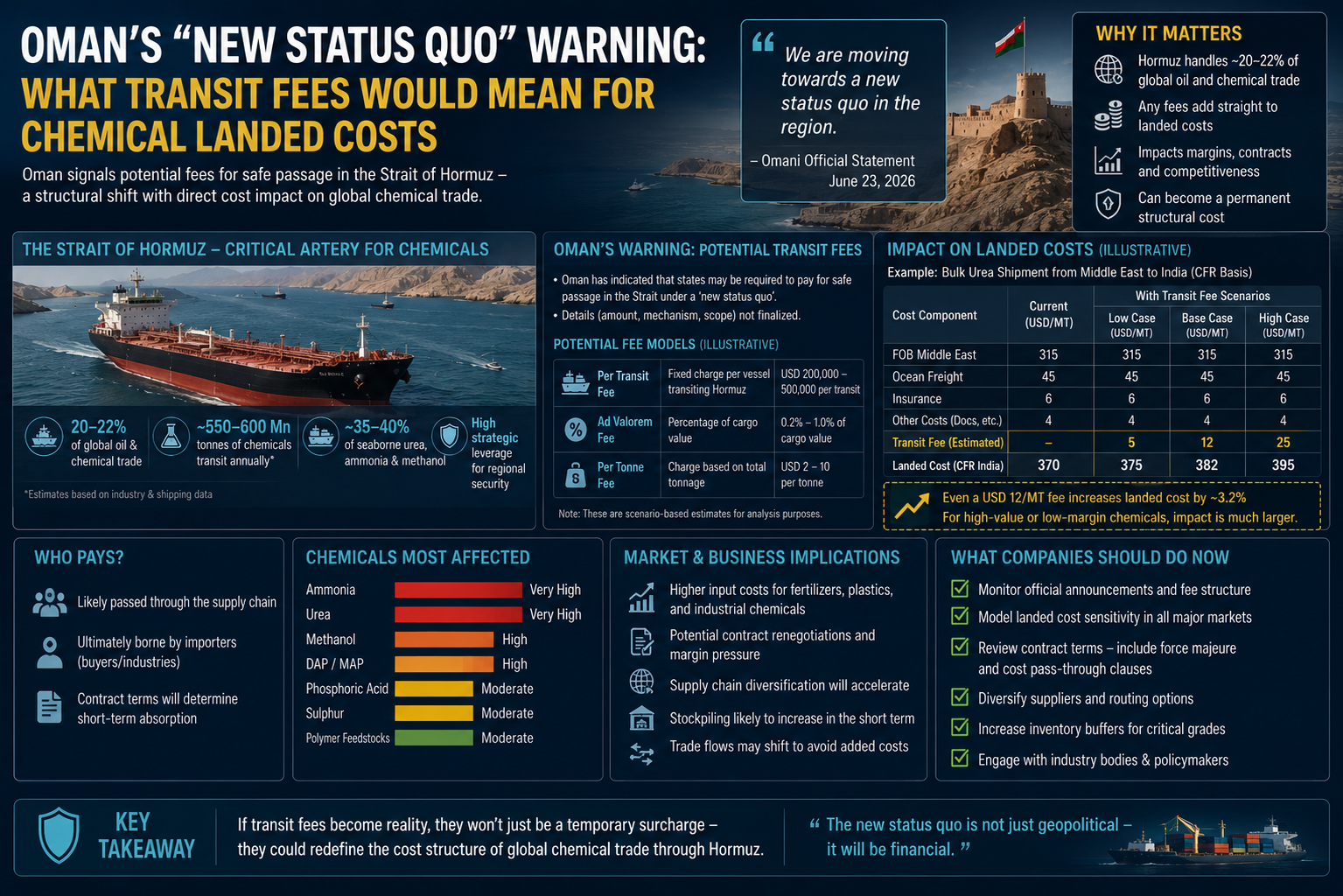
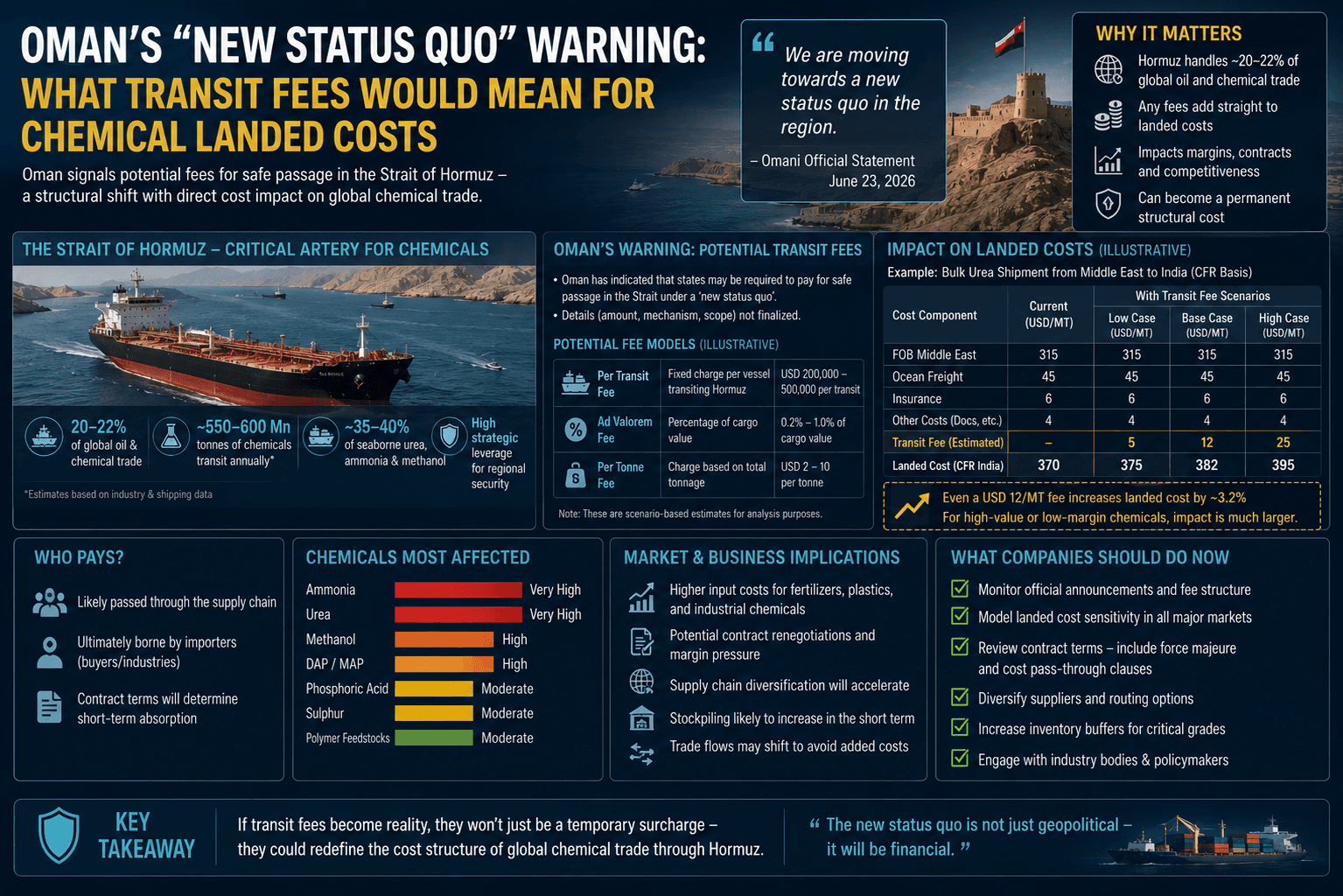
After the Hormuz shutdown, chemical buyers face a mix of temporary price spikes and lasting market shifts. This article applies the Kiel Institute framework to isolate recoverable costs from permanent baseline changes, providing a roadmap for data‑driven contract renegotiations. Implementing these insights helps teams win back margins as conditions normalize.
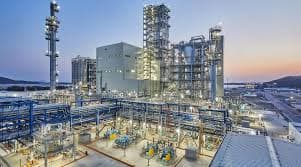
Although Gulf shipping has improved significantly since the peak of the Hormuz crisis, hundreds of vessels remain awaiting transit. Understanding the commercial priority system governing departures is essential for chemical buyers tracking delayed cargoes and planning H2 2026 deliveries.

Methanol buyers are facing a critical Q3 planning challenge as Strait of Hormuz transit remains far below normal levels. Physical shipping data now matters more than diplomatic signals when assessing supply availability and pricing risk.
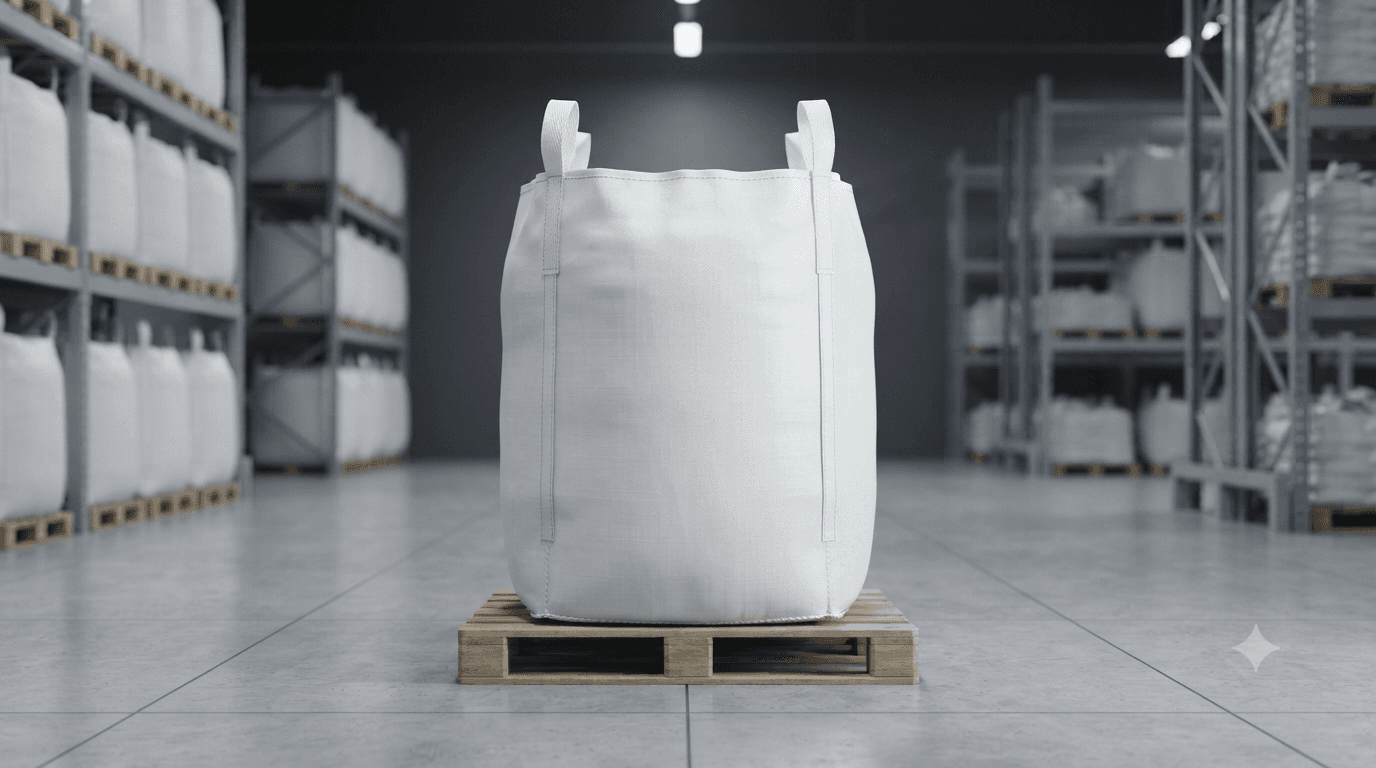
Tropical Storm Arthur has renewed attention on Gulf Coast supply chain risk just as the 2026 Atlantic hurricane season begins. Find out how refinery shutdowns, logistics disruptions and weather uncertainty could affect procurement strategies for corn starch, glucose and dextrose buyers during the second half of 2026.
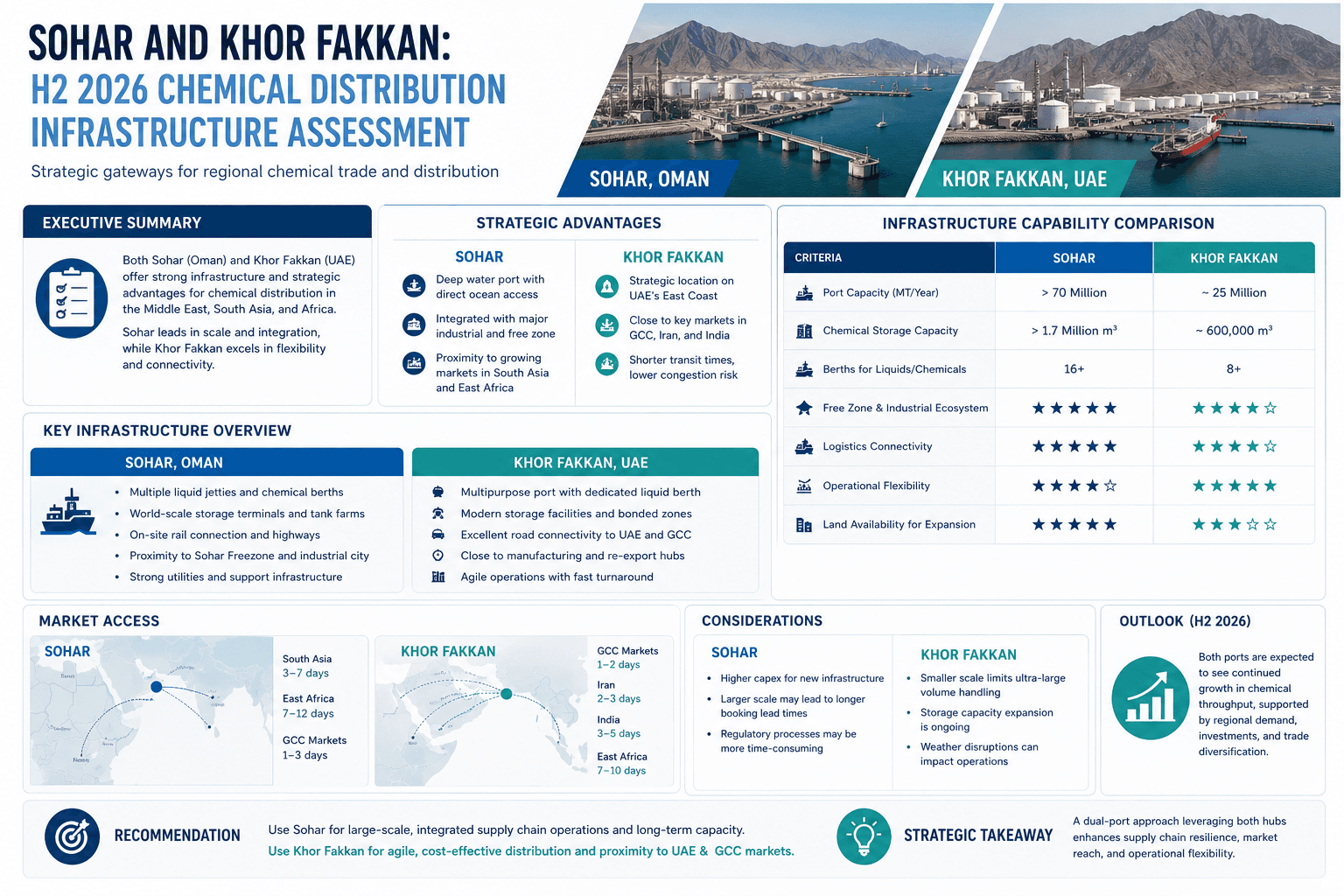
Sohar and Khor Fakkan have emerged as permanent Gulf chemical distribution hubs after the Hormuz crisis disrupted traditional routes. Chemical buyers should now verify exactly where supplier cargo loads, as port selection directly affects insurance costs, lead times, and shipment risk.
We're committed to your privacy. Tradeasia uses the information you provide to us to contact you about our relevant content, products, and services. For more information, check out our privacy policy.