



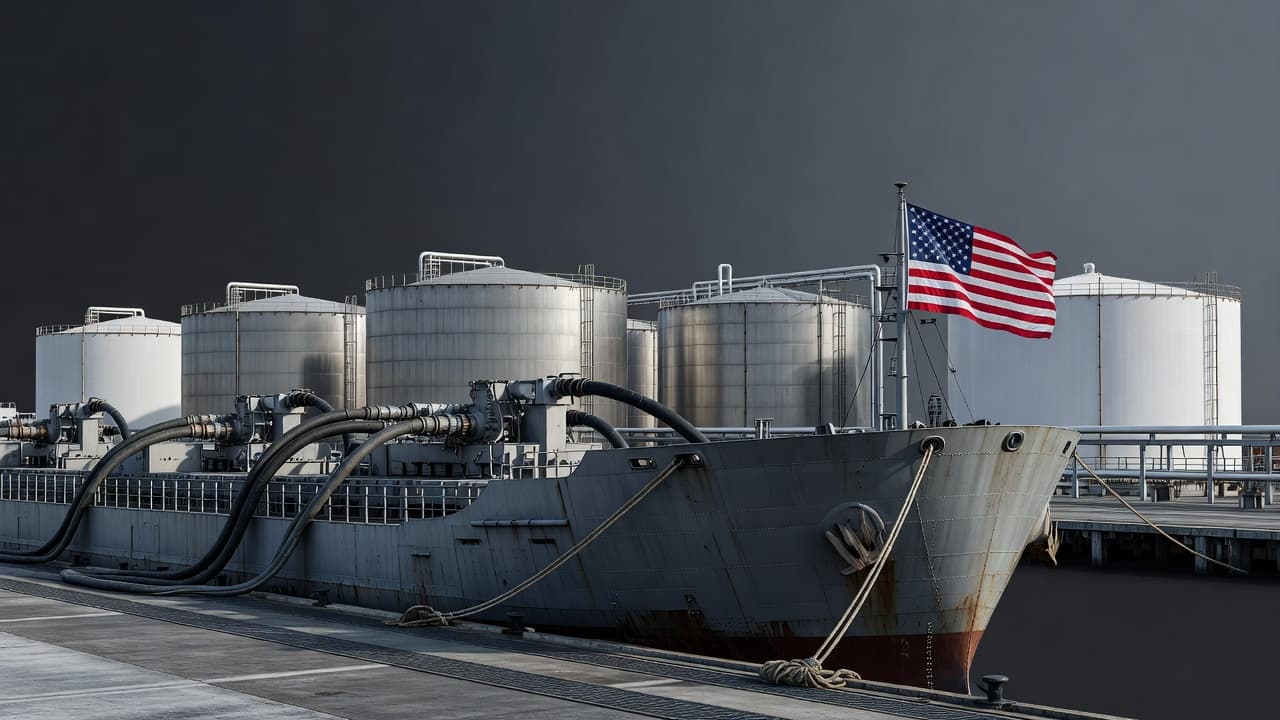
A previous 60-day Jones Act waiver eased fertilizer and petroleum transport during supply chain disruption. Chemical procurement and compliance teams should understand how similar regulatory measures could influence domestic logistics, freight availability and contingency planning.

Europe's petrochemical industry continues to experience cracker closures as producers respond to high energy costs and growing competition from China. Procurement teams should understand how ongoing capacity reductions may reshape regional supply, pricing and long-term sourcing strategies.

The upcoming VCI Q2 2026 report underscores a sharp decline in German chemical production, driven by soaring feedstock costs and weak domestic demand. Naphtha‑based downstream plants are hit hardest, while export disruptions to Asia and the Gulf further strain utilization rates. For buyers, the data offers critical insight into supplier stability and pricing dynamics across Europe.
As H1 2026 closes, European food manufacturers using modified starches face an upcoming compliance checkpoint

Chemical buyers face a tight deadline to secure Q2 2026 Scope 3 data from suppliers. This article explains why timely collection is essential for accurate CSRD reporting and offers a step‑by‑step approach to meet the July 31 cutoff. Failure to act risks compliance gaps and reputational harm.

This brief outlines key regulatory shifts—CSRD, CBAM, EUDR, REACH SVHC, and PFAS rules—impacting chemical procurement in the first half of 2026. It also examines Scope 3 emissions accounting, the Hormuz crisis, and emerging supply‑chain resilience strategies shaping H2 decisions.
We're committed to your privacy. Tradeasia uses the information you provide to us to contact you about our relevant content, products, and services. For more information, check out our privacy policy.