
Citrus Pulp CAS: 94266-47-4
Citrus Pulp CAS: 94266-47-4

China's expected easing of urea export restrictions could significantly influence global fertilizer markets during Q3 2026. Fertilizer buyers should evaluate procurement timing carefully as additional supply may reshape international pricing.

QAFCO and SABIC have restarted ammonia export operations to the Gulf, signaling a rebound in regional supply that will shape 2026 market dynamics. The move opens new sourcing options for fertilizer producers and industrial buyers, while influencing global ammonia prices and feedstock availability. Below we explore the implications for the market, pricing trends, and the broader fertilizer sector.

USDA crop condition reports are providing the first meaningful indicators for second-half food ingredient pricing. With US corn conditions tracking near historical trend levels and freight costs beginning to ease, the outlook for starch, glucose and derivative ingredients appears more stable than many buyers expected earlier this year.
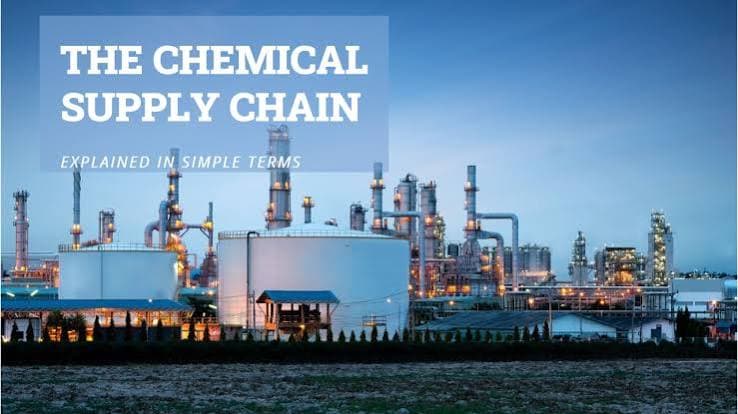
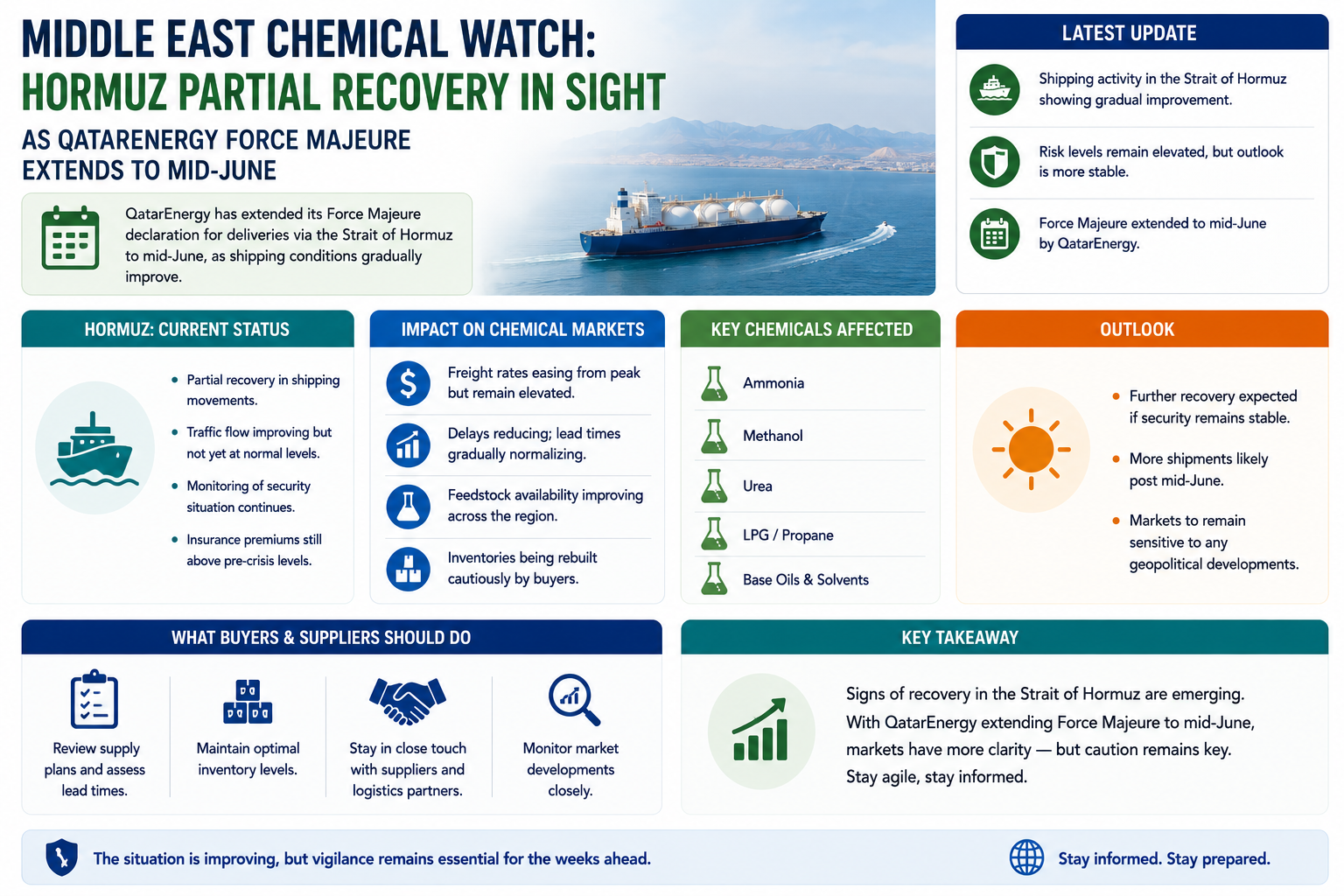
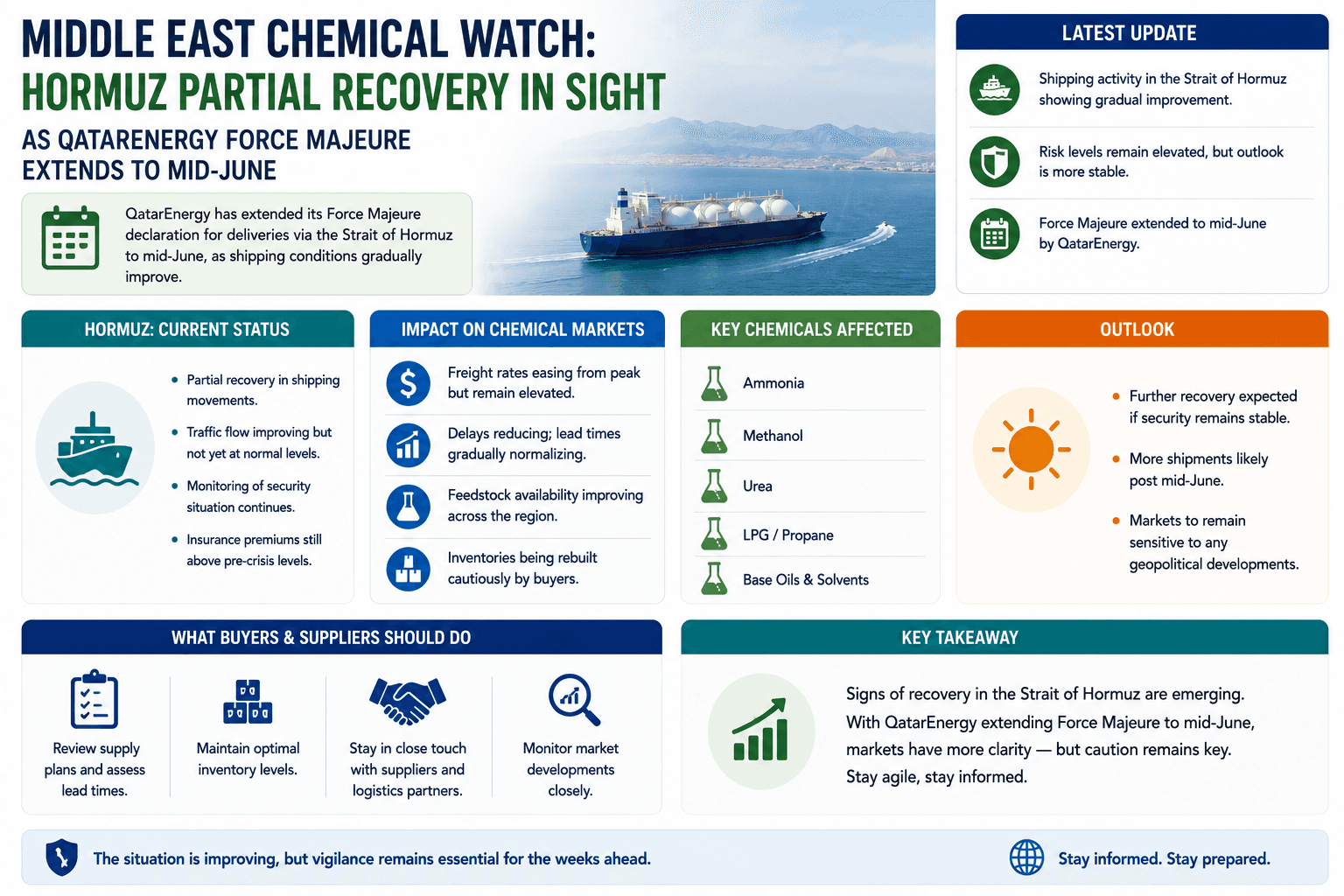
The Hormuz ceasefire agreement has improved sentiment, but supply chain conditions remain far from normal. Vessel congestion, mine clearance operations and production restart delays mean chemical buyers should maintain elevated inventory levels for now.
The June 19 Hormuz ceasefire agreement could restart ammonia exports from QAFCO and SABIC, but shipping delays and mine clearance operations mean buyers should closely monitor Gulf supply recovery before expecting full market normalization.
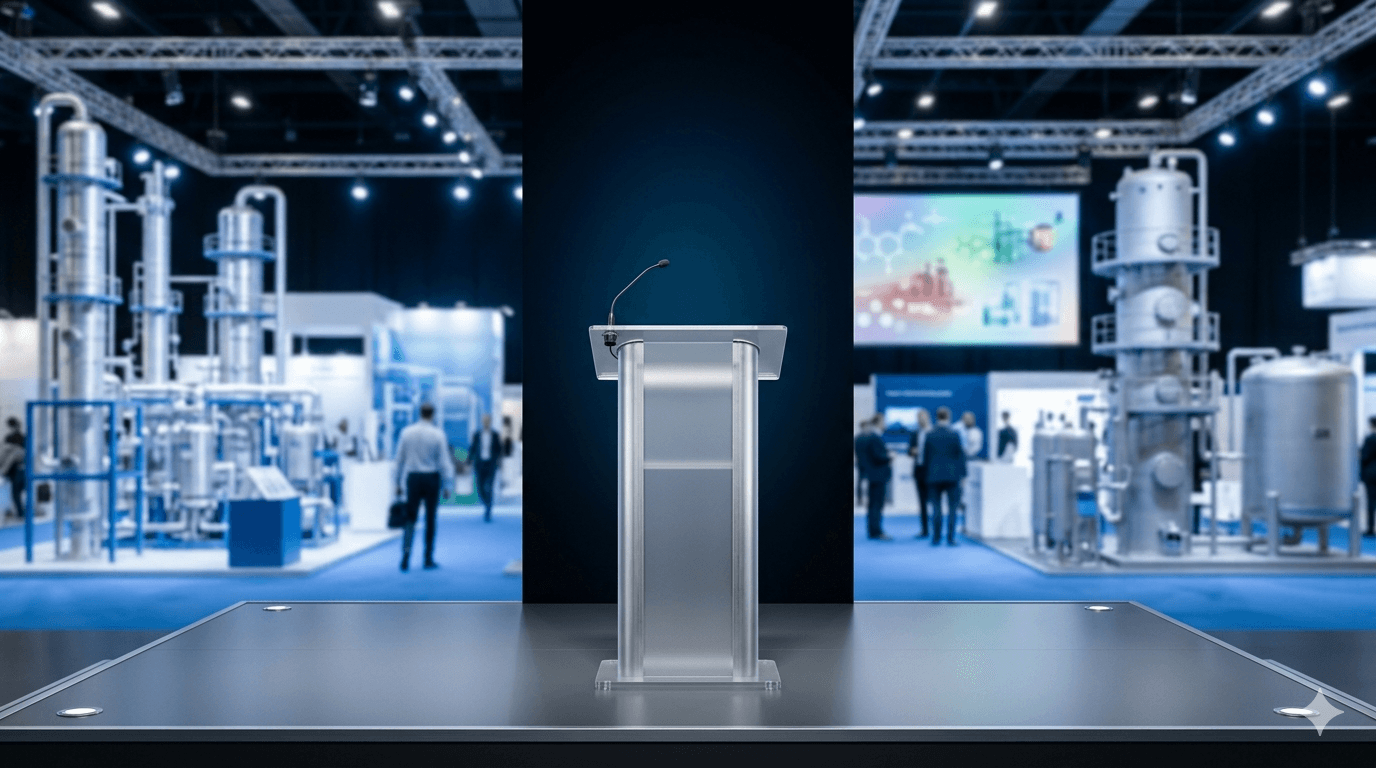
ChemCon Asia 2026 in Singapore is redefining chemical trade strategies across Asia, with a focus on CBAM compliance, ASEAN market dynamics, and supply chain resilience amid the Hormuz crisis. The event underscores sustainability as the new competitive edge.
We're committed to your privacy. Tradeasia uses the information you provide to us to contact you about our relevant content, products, and services. For more information, check out our privacy policy.