
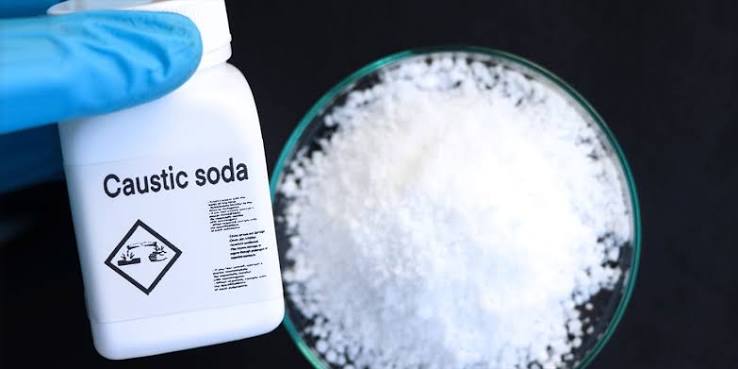
Caustic Soda Flakes CAS: 1310-73-2
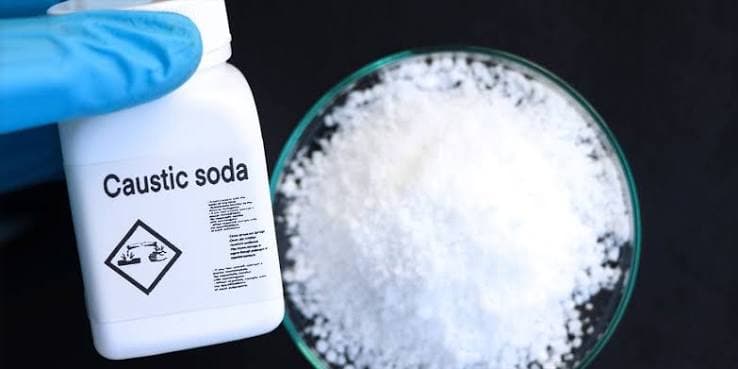
Caustic Soda Flakes CAS: 1310-73-2
US chemical imports are projected to fall to their lowest level since 2020, while exports are expected to reach their lowest point since 2021. Procurement teams should understand how shifting trade patterns could reshape sourcing strategies, regional supply chains and future market opportunities.

Qatar’s strategic position as a chemical exporter, coupled with its control over frozen Iranian funds and a robust LNG supply chain, solidifies its role in Gulf fertilizer markets. The nation’s diplomatic clout ensures stable ammonia production and market confidence across the region.
Japan's chemical industry enters H2 2026 after overcoming its most severe naphtha supply disruption in decades. The country's rapid diversification of feedstock sourcing may prove to be the most important long-term outcome of the Hormuz crisis, reshaping procurement strategies well beyond the recovery period.
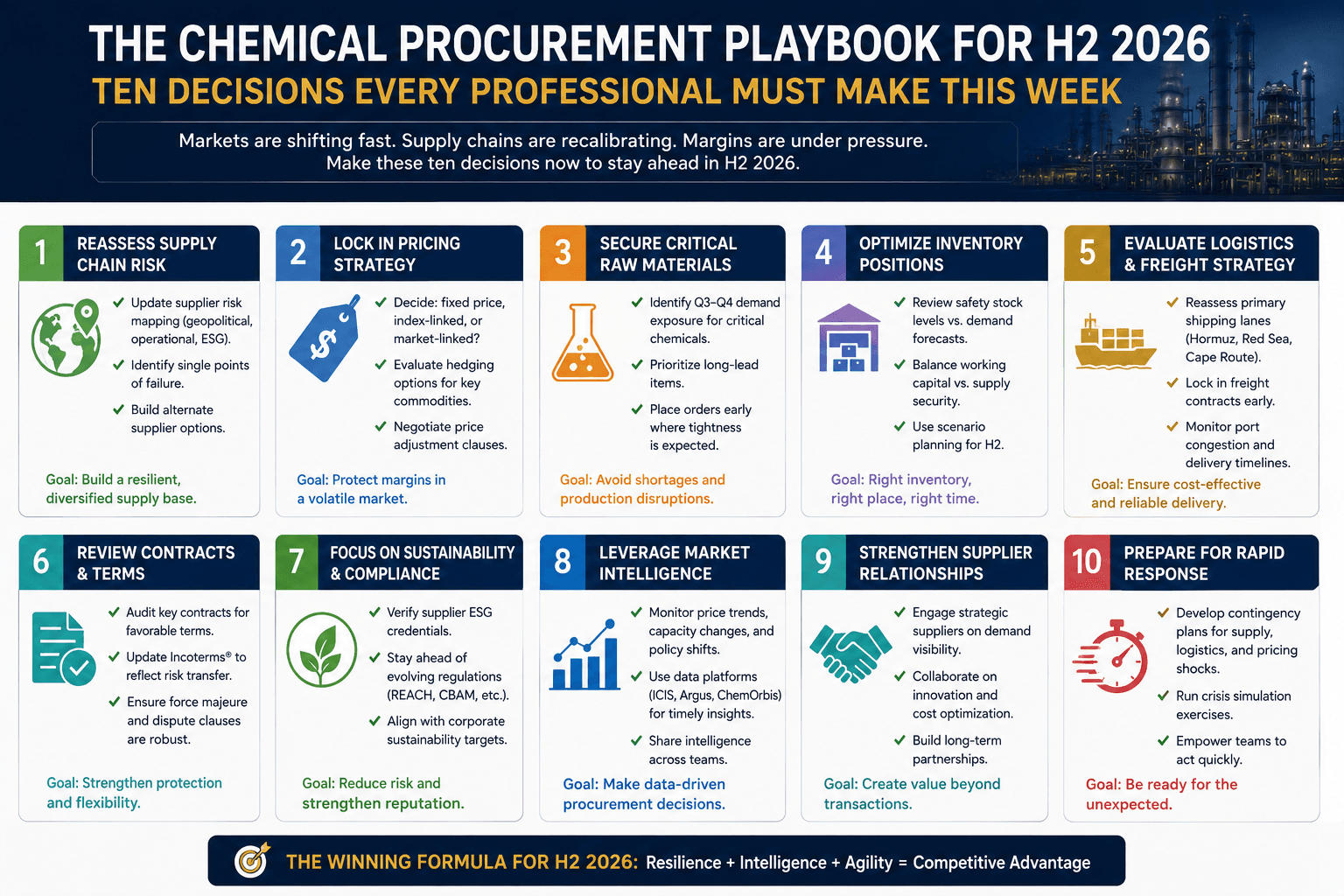
H2 2026 begins with a critical decision window for chemical procurement professionals. From India duty deadlines and Gulf supply recovery to freight renegotiation, fertilizer contracts, and regulatory compliance, these ten strategic decisions could define procurement performance for the rest of the year.
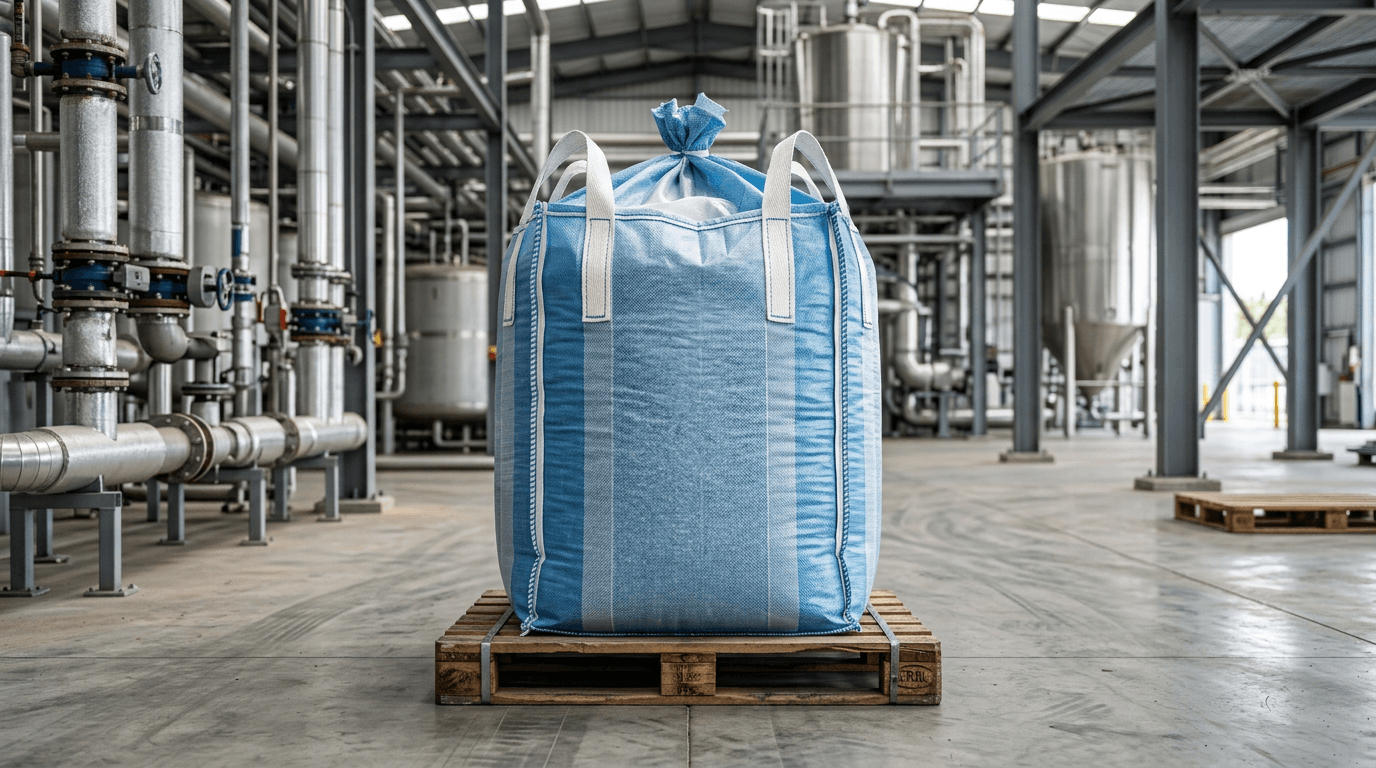
July 1, 2026 brings major changes for ethanol and solvent buyers as India’s duty waiver expires while lower crude prices improve production economics across Asia. This analysis explains how procurement teams can prepare for H2 2026 sourcing decisions.
Pakistan's chemical market is gradually stabilizing as Gulf exports recover and freight costs improve. While landed prices for key chemicals are easing, buyers must continue managing foreign exchange constraints and secure payment structures during the July–September procurement window.
We're committed to your privacy. Tradeasia uses the information you provide to us to contact you about our relevant content, products, and services. For more information, check out our privacy policy.