
Ammonia Anhydrous CAS: 7664-41-7
Ammonia Anhydrous CAS: 7664-41-7

The transfer of LyondellBasell's European assets to Velogy has introduced fresh uncertainty for buyers of adhesive raw materials. Procurement teams sourcing European EVA, VAM and acrylic acid should closely monitor production plans at the French and German cracker sites.
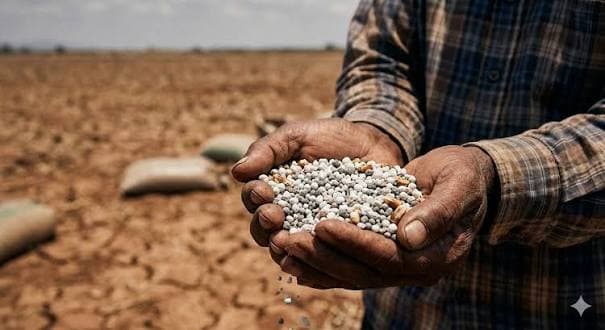
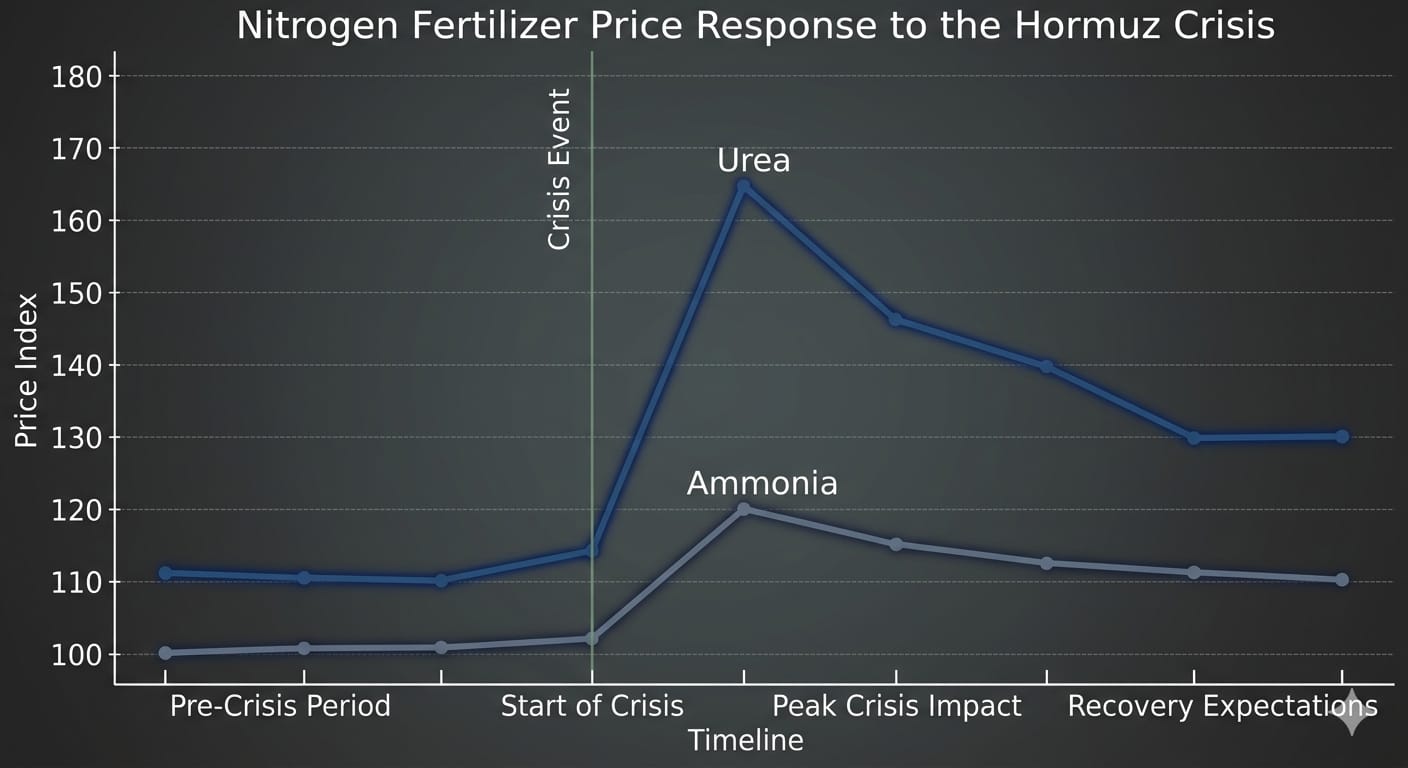
The Kiel Institute’s “Chemical-Food Cascade” framework explains how the 2026 Hormuz crisis is moving beyond chemical supply chains and into food inflation. Fertilizer disruption earlier this year may continue affecting corn, wheat, and sugar-based ingredient costs long after chemical logistics begin recovering.
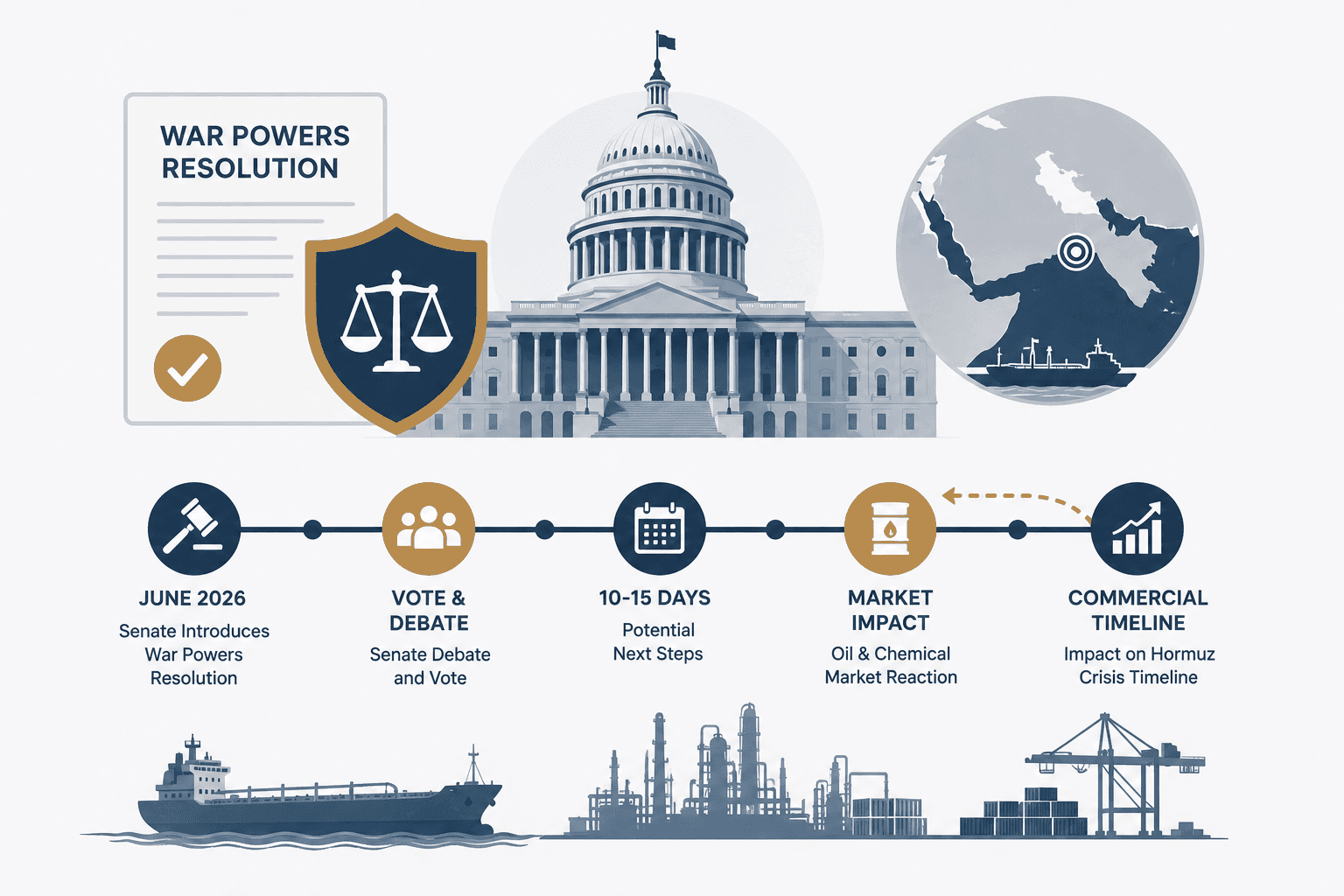
The US Senate’s war powers resolution against Trump’s Iran conflict strategy may accelerate diplomatic pressure around the Hormuz crisis. For chemical markets, faster political de-escalation could mean quicker supply chain recovery and a more positive H2 2026 outlook.
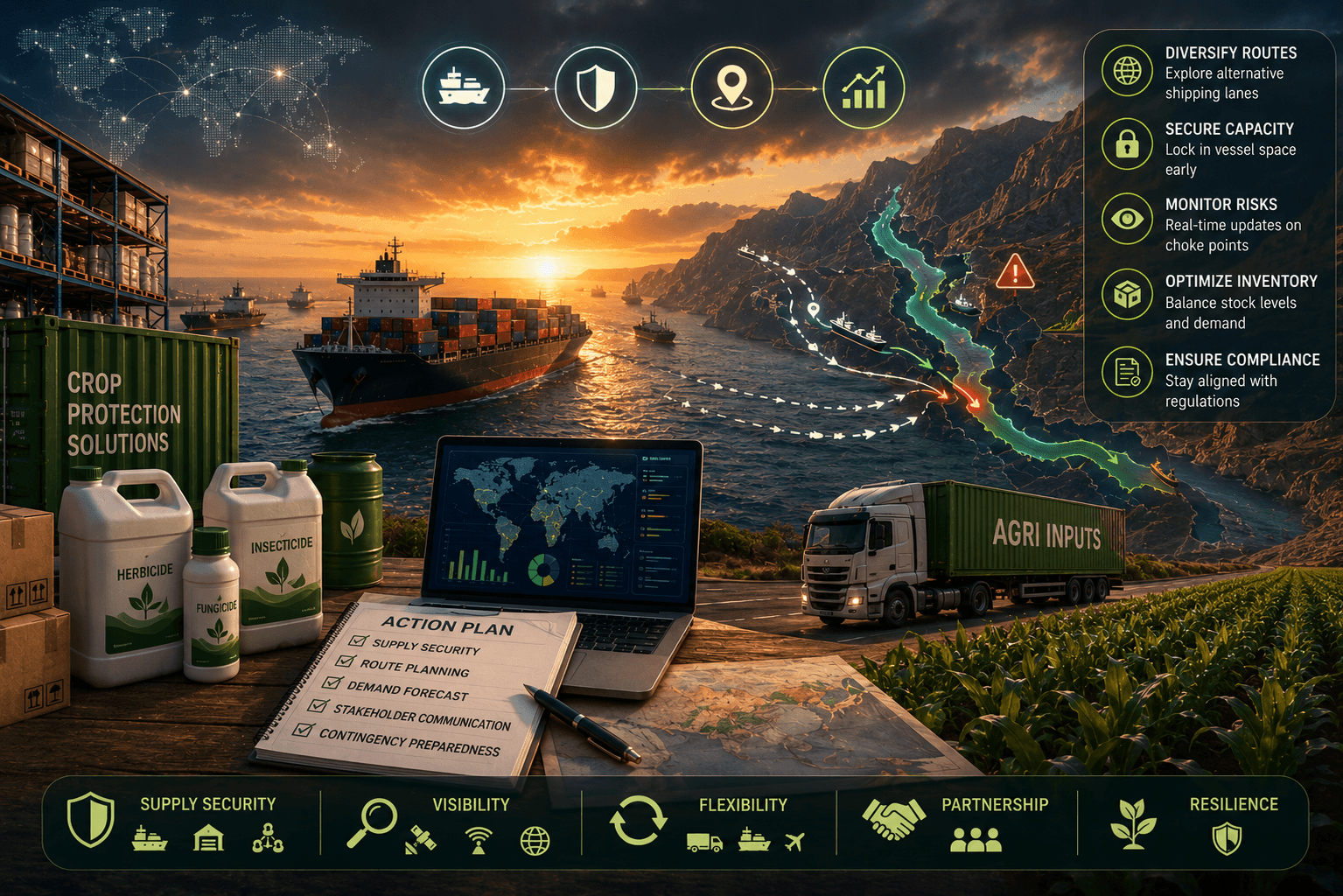
Agrochemical logistics are improving after the Hormuz disruption, but commercial shipping remains far below normal capacity. Importers should maintain conservative Q3 shipping plans, rely on Cape routing, and prepare for only partial Hormuz recovery by September.
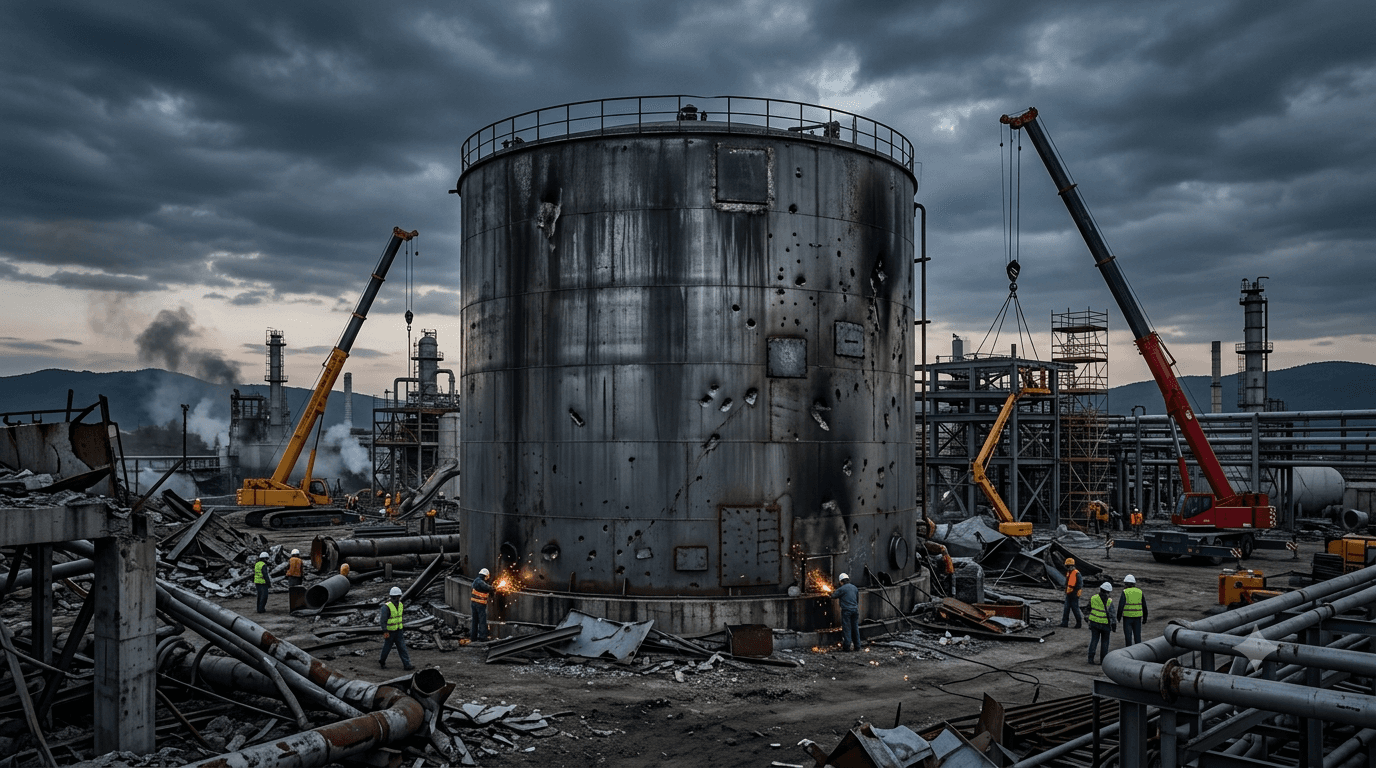
Iran’s petrochemical industry emerged as the largest industrial casualty of the Hormuz War, with major production hubs reportedly suffering catastrophic damage. The resulting supply gap is reshaping methanol, fertilizer and polymer markets while creating one of the largest reconstruction opportunities in the global chemical sector.
The Hormuz ceasefire agreement has improved sentiment, but supply chain conditions remain far from normal. Vessel congestion, mine clearance operations and production restart delays mean chemical buyers should maintain elevated inventory levels for now.
We're committed to your privacy. Tradeasia uses the information you provide to us to contact you about our relevant content, products, and services. For more information, check out our privacy policy.