
Caprylic Triglyceride CAS: 73398-61-5
Caprylic Triglyceride CAS: 73398-61-5
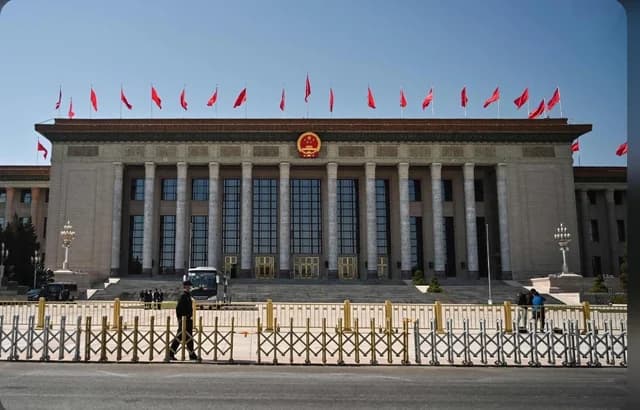
Escalating geopolitical developments are increasing attention on congressional oversight and the potential for new policy actions. Chemical companies should monitor legislative developments that could influence sanctions, trade regulations and supply chain compliance.

The US ended authorization for Iranian oil sales while separately allowing Indian refiners to purchase Russian crude, highlighting the growing complexity of international sanctions. Chemical procurement and compliance teams should strengthen screening procedures and monitor evolving trade policies.
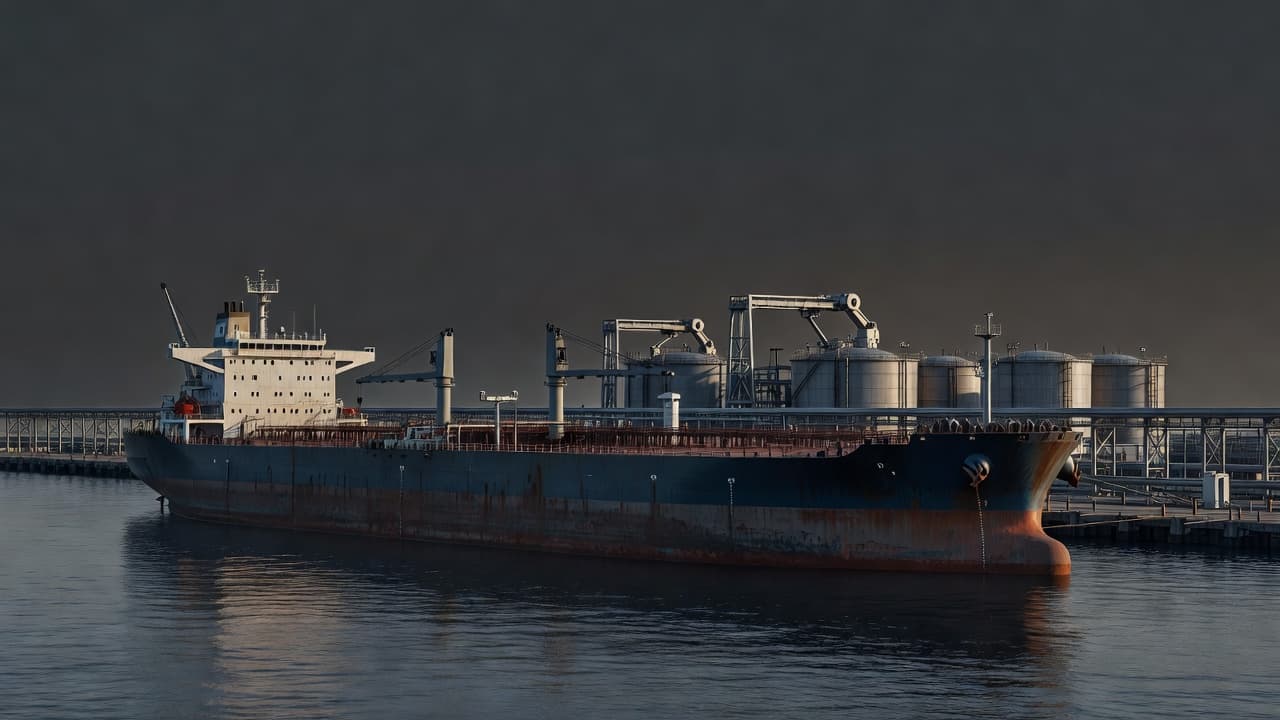
The termination of Treasury's authorization for Iranian oil sales and new transaction approvals marks an important shift in international trade compliance. Chemical companies should review procurement, logistics and financial exposure to ensure continued sanctions compliance.
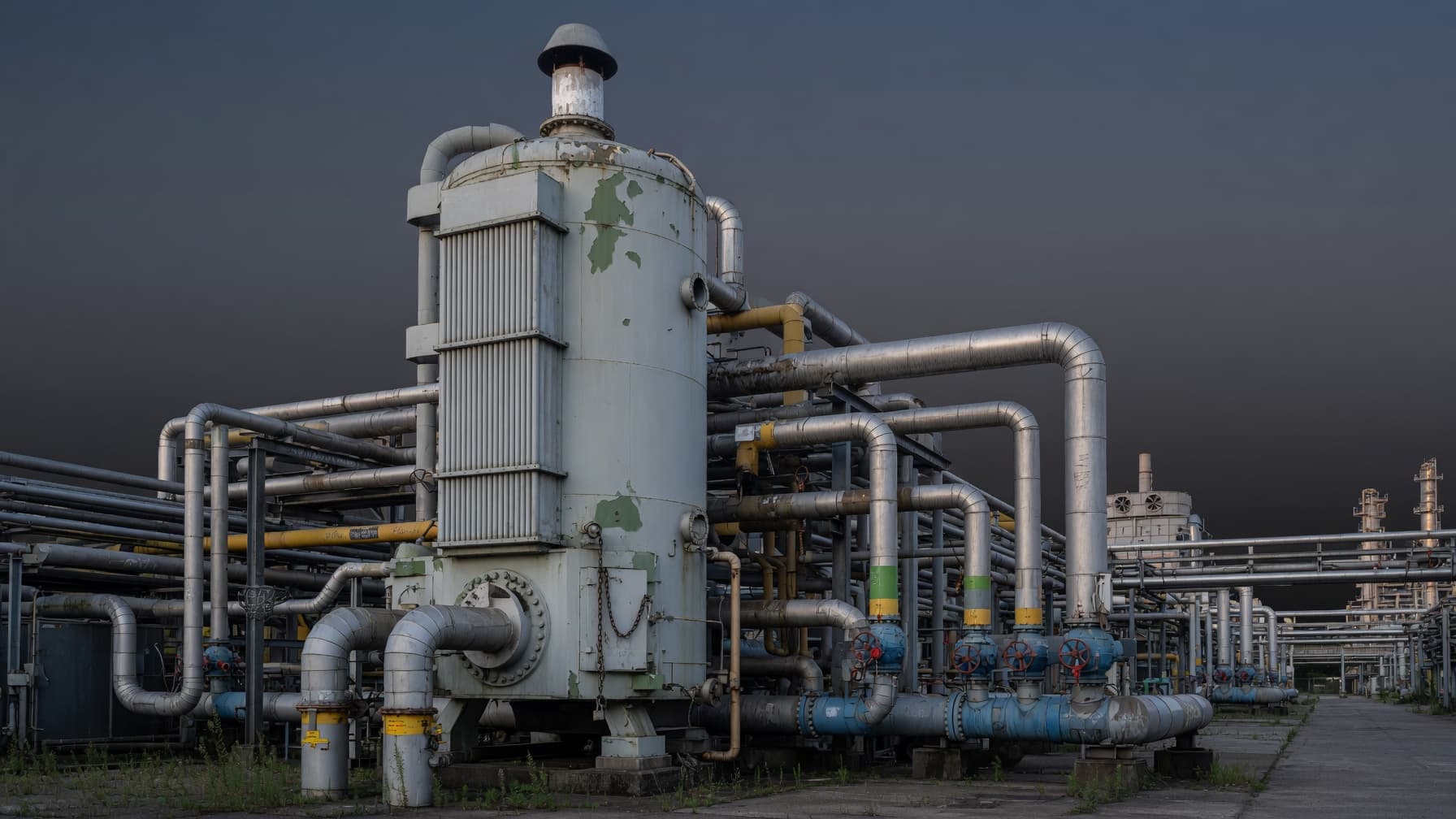
Europe's petrochemical industry continues to experience cracker closures as producers respond to high energy costs and growing competition from China. Procurement teams should understand how ongoing capacity reductions may reshape regional supply, pricing and long-term sourcing strategies.

Construction has begun on a 450,000-tonne polypropylene plant at the Xinjiang Shaneng Wucaiwan project, reinforcing China's long-term capacity expansion strategy. Procurement teams should evaluate how additional domestic production could reshape regional polymer supply and international trade flows.

ECHA's upcoming SVHC candidate list update could introduce new compliance obligations for pharmaceutical excipient supply chains. Procurement and regulatory teams should prepare monitoring procedures to identify affected substances as soon as new candidate entries are published.
We're committed to your privacy. Tradeasia uses the information you provide to us to contact you about our relevant content, products, and services. For more information, check out our privacy policy.