
Duty Waiver Expiry: Immediate Effects
The government’s decision to lift the duty waiver on fertilizers, effective from this month, introduces a new layer of cost for importers. Prior to the waiver, the duty on urea and DAP was exempted, allowing a lower cost base for domestic procurement. The reintroduction of a 12% duty on both urea and DAP will increase the landed cost by a significant margin.
Importers will need to absorb the added duty or pass it on to the domestic market. This shift is likely to cause a short‑term spike in retail prices, affecting the cost of production for farmers. The government has indicated that the waiver was a temporary measure to cushion the market during a supply crunch, and its expiry marks a return to the full fiscal framework.
Key Cost Components
Urea Duty – 12% on the import value.
DAP Duty – 12% on the import value.
Additional customs processing fees remain unchanged.
MMTC Q3 Tender: Mechanics and Implications
Simultaneously, the Mineral and Metals Trading Corporation (MMTC) has announced its Q3 tender for urea and DAP imports. The tender seeks to procure 1.2 million tonnes of urea and 0.5 million tonnes of DAP at competitive rates.
MMTC’s tender process is highly structured, with a pre‑qualification stage followed by a bid submission window. The organization evaluates bids based on price, delivery timelines, and compliance with quality standards. The outcomes of this tender will set benchmark prices for the market.
Bid Evaluation Criteria

Lowest price after duty and taxes.
Delivery schedule adherence.
Quality certification of the product.
Financial stability of the bidder.
Combined Impact on Urea Pricing
The convergence of the duty waiver expiry and the MMTC tender creates a dual‑pressure scenario. On one hand, the duty adds a fixed cost component; on the other, MMTC can push prices down if the tender wins a competitive bid.
Importers may layer the duty onto the tender price, which could counterbalance any discount achieved through the tender. However, MMTC’s ability to negotiate in bulk often results in a lower base price that can absorb some of the duty cost.
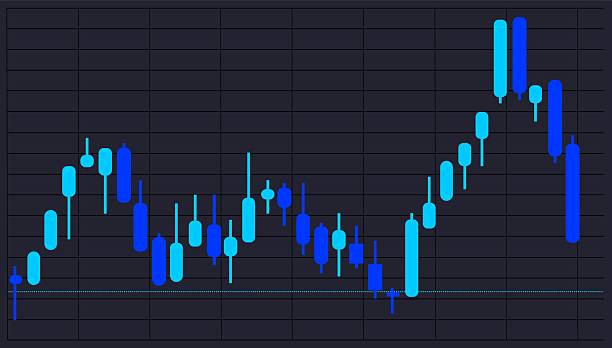
Projected Price Range
Pre‑tender price: 4,200 INR per tonne.
Post‑tender price after duty: 4,500 INR per tonne.
Potential market spread: 200–300 INR per tonne.
Combined Impact on DAP Pricing
DAP, being a major nitrogen‑phosphorus fertilizer, faces similar dynamics. The duty waiver expiry adds a cost cushion, while the MMTC tender seeks to secure the best possible price.
Because DAP is often traded in bulk, MMTC’s tender can leverage economies of scale to offset the duty increase. The net effect is likely a modest price rise relative to the pre‑tender period.
Projected DAP Cost
Base import price: 5,800 INR per tonne.
Duty addition: +12% → 6,496 INR per tonne.
MMTC tender discount potential: –5% → 6,171 INR per tonne.
Market Outlook and Strategic Moves
Farmers and state procurement agencies are monitoring these developments closely. Some states are increasing their buffer stock to mitigate price volatility. Importers are diversifying suppliers and exploring alternative sourcing in neighboring countries.
Policy makers may consider re‑introducing a temporary duty waiver if market conditions deteriorate. Meanwhile, MMTC’s tender process will continue to shape the benchmark prices for the next procurement cycle.
In the near future, the interplay between duty adjustments and MMTC tender outcomes will remain a key determinant of fertilizer affordability in India. Stakeholders should adopt flexible procurement strategies to navigate this evolving landscape.
Ammonium Sulphate - China CAS: 7783-20-2