
Related Insights
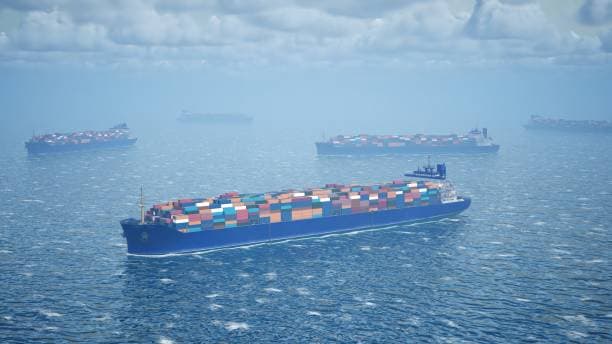
6,000 Seafarers Stranded as Hormuz Traffic Drops, Fueling Shipping Crisis
Approximately 6,000 seafarers are trapped in the Gulf as vessel movements through the Strait of Hormuz fall below normal levels. This bottleneck is not only an operational headache for shipping lines but also a humanitarian crisis and a threat to the chemical supply chain that fuels global commerce. The article explores the ripple effects across maritime logistics, crew welfare, and chemical transport.

US Country Watch: Tropical Storm Arthur Clearance and Gulf Coast Chemical Recovery
The US Gulf Coast begins recovering from Tropical Storm Arthur as ports, rail networks and petrochemical facilities assess restart operations. While production impacts are expected to remain limited, buyers should closely monitor logistics recovery and shipment schedules throughout the first week of July.

Chemical Price Reversal 2026: Why Fertilizer Prices Fell Before Hormuz Reopened
In early 2026 the global chemical market saw a dramatic price spike during the Hormuz crisis, only to reverse course by April even before shipping lanes fully reopened. This article dissects the panic‑driven surge, the factors that triggered the drop, and the procurement intelligence lessons that can help buyers mitigate volatility.

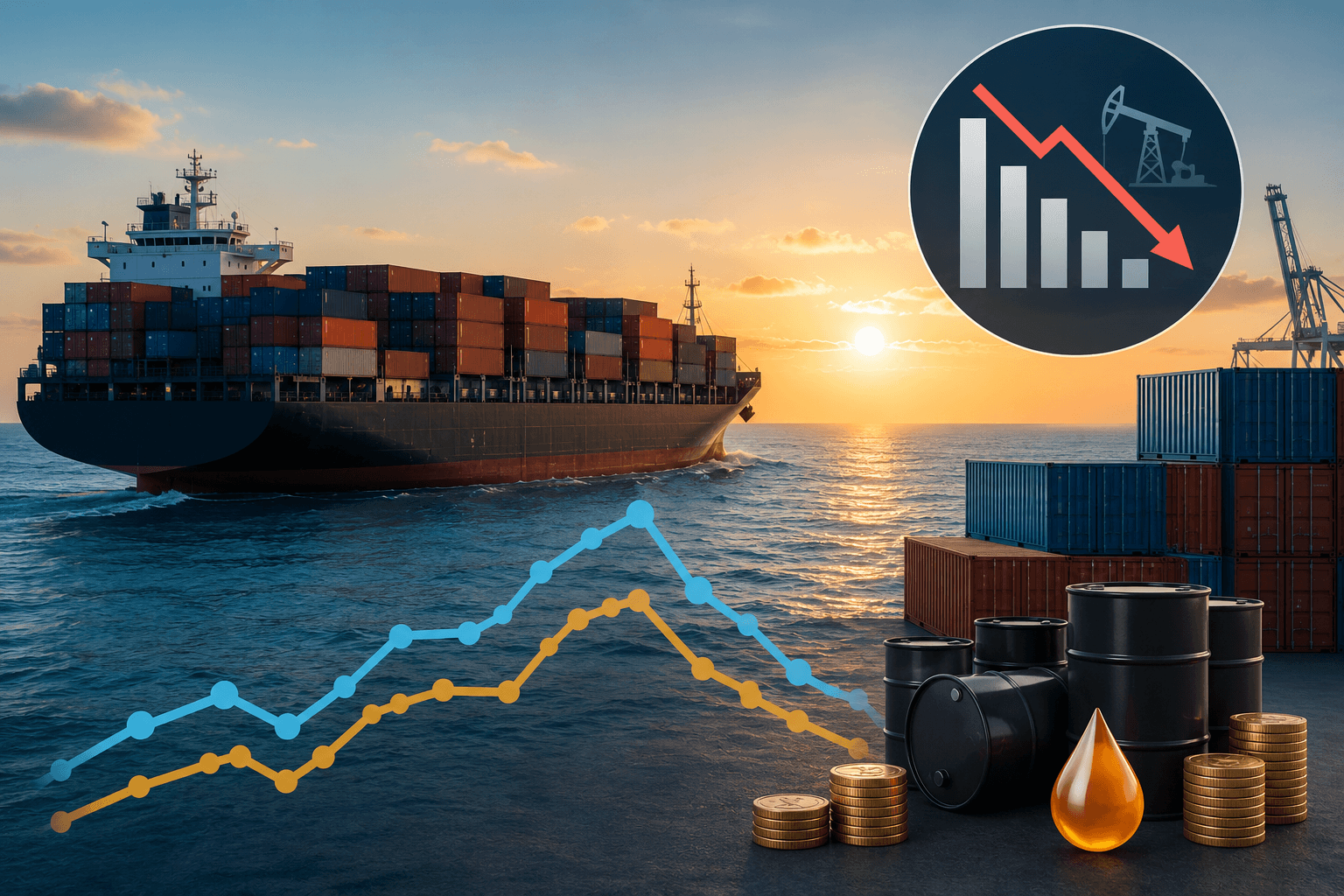
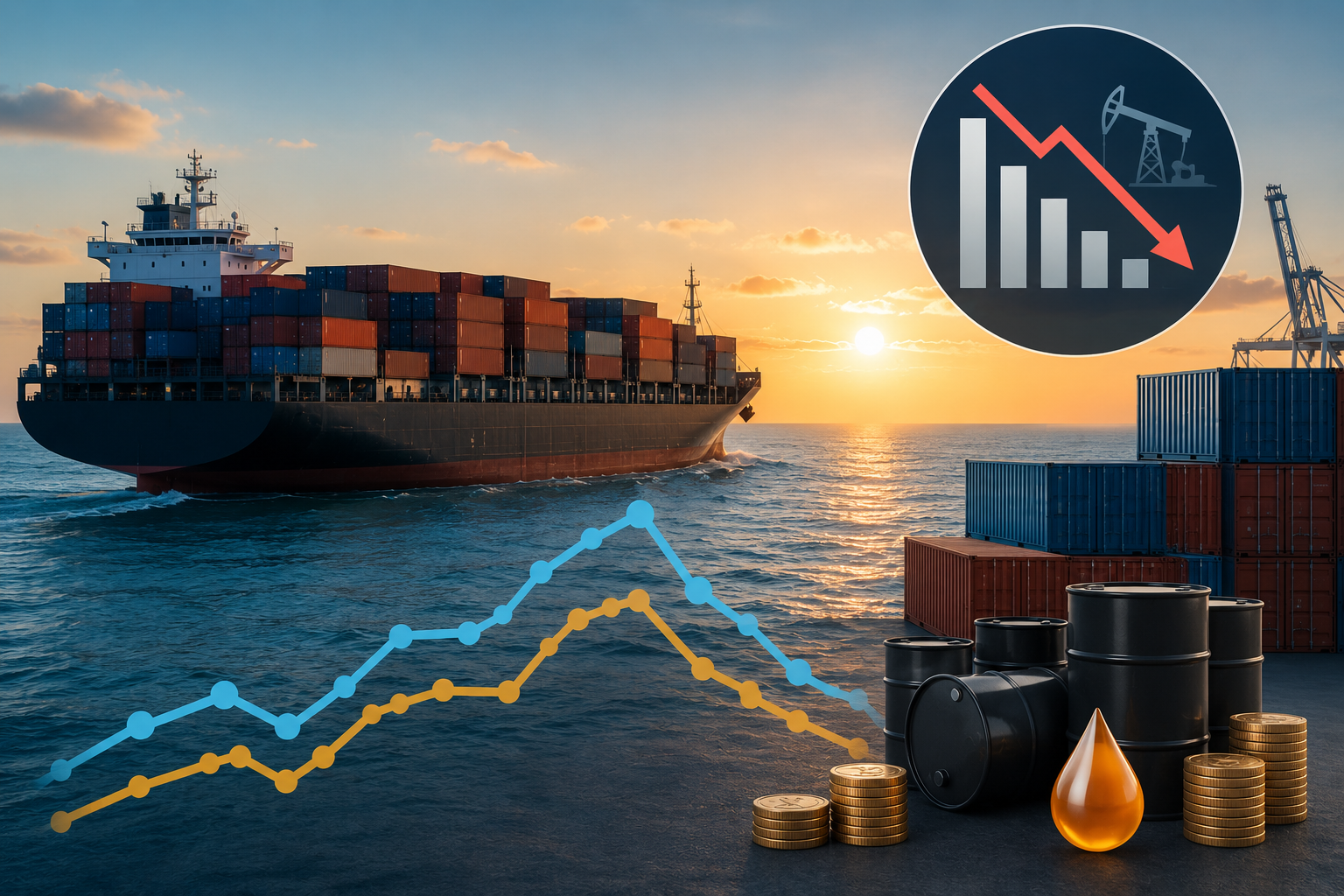
Brent Crude at $72.60: How Lower Oil Prices Are Changing Chemical Feedstock Costs
Brent crude has fallen below its pre-conflict level, creating a potential cost reset for chemical feedstocks. This analysis explains how lower crude prices may influence naphtha, olefins and commodity chemical pricing in Q3 2026.

Sucralose Supply Chain in H2 2026: China Leads, Contracts Adapt
In H2 2026, China’s sucralose production remains robust while freight costs ease, giving buyers a strategic edge. Companies can leverage these trends to negotiate more favorable contracts and secure long‑term supply of food sweeteners.
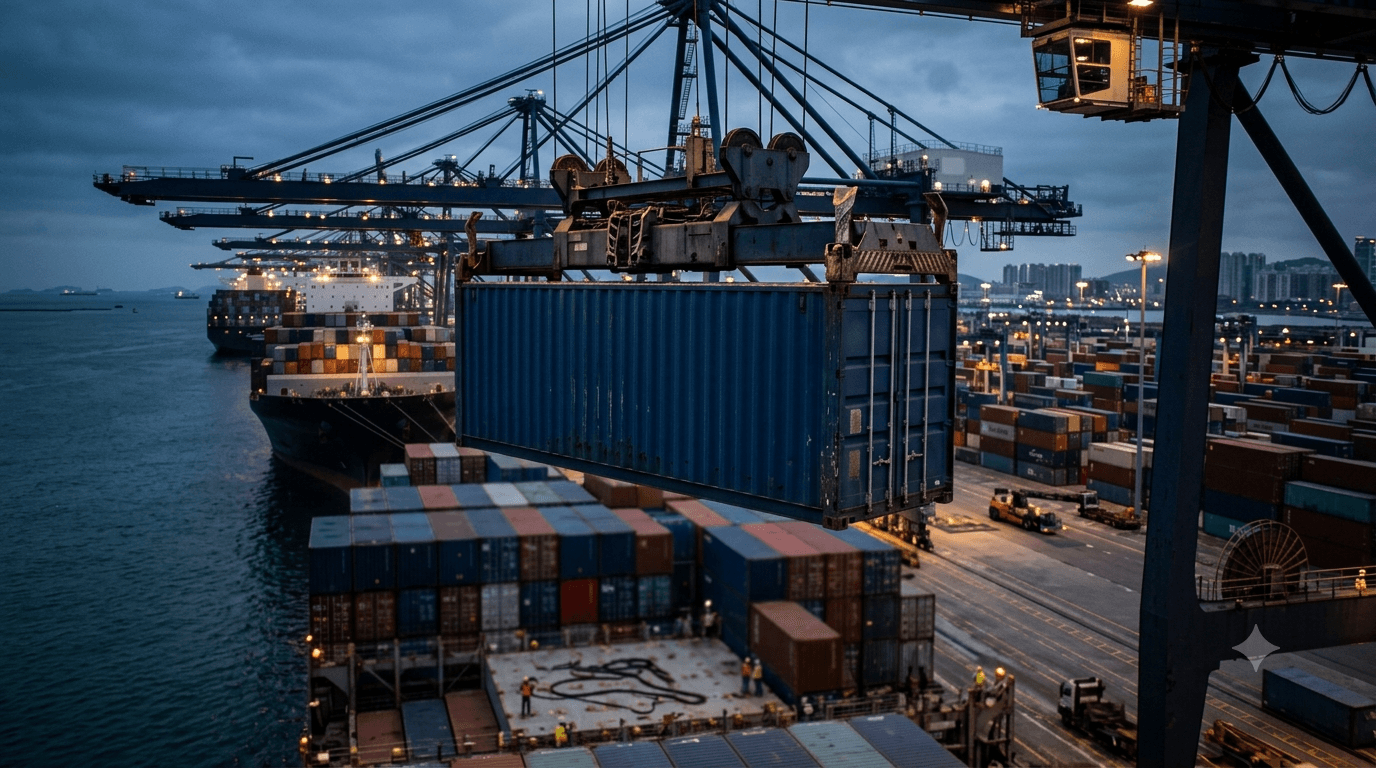
Food Ingredient Freight Costs: Brent Below $80 Signals First Bunker Cost Relief Since February
Falling crude oil prices are creating the first meaningful opportunity for lower food ingredient freight costs since February 2026. Buyers sourcing from China, Southeast Asia and India should begin freight-linked pricing discussions now before carriers adjust bunker surcharge
Don't miss out on our updates! Subscribe to our newsletter now
We're committed to your privacy. Tradeasia uses the information you provide to us to contact you about our relevant content, products, and services. For more information, check out our privacy policy.