
Ferrous Sulphate Heptahydrate (99.5%) - India CAS: 7782-63-0
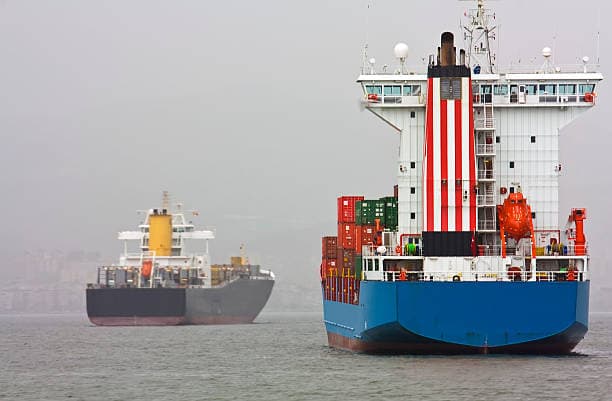
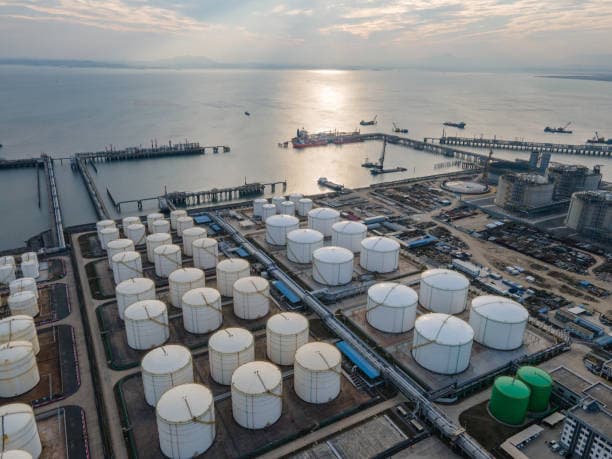
On Sunday, the Strait of Hormuz remained a bustling artery, with 8.5 million barrels of oil passing through. This steady flow offers insights into maritime capacity, energy logistics, and the resilience of chemical supply chains. The data reveals how global trade adapts to geopolitical tensions and shifting market demands.

Algeria’s Annaba port is accelerating its expansion to meet a 2027 deadline, adding thousands of workers and new logistics capacity. The project strengthens the country’s position in the global phosphate market and enhances fertilizer supply chains. Read how the upgrade transforms maritime operations and market dynamics.
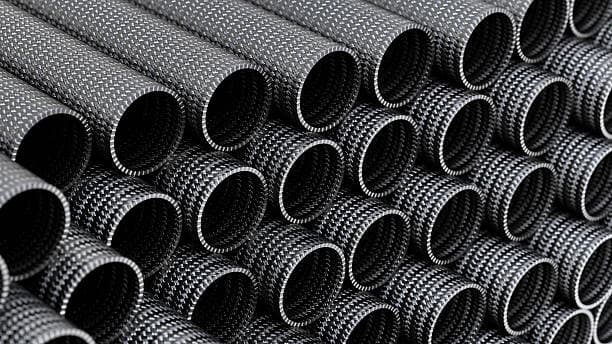
A five‑year carbon fiber supply agreement provides aerospace and defense firms with unprecedented stability, ensuring consistent material availability, smoother production planning, and stronger supply chain resilience. This long‑term commitment unlocks new opportunities for advanced composites and innovation.
While EU chemical output is declining, France’s industry is expanding, reshaping transport demand and procurement strategies. This article examines the implications for road tanker use, rail freight, and supply‑chain planning across the continent.

Biopharmaceutical manufacturing — producing monoclonal antibodies, vaccines, recombinant proteins

Green ammonia projects across the Gulf have been delayed following the Hormuz crisis, pushing major timelines into 2027–2028. For long-term hydrogen buyers, the disruption strengthens the case for diversifying supply beyond the Gulf into Europe, Africa, and Australia.
We're committed to your privacy. Tradeasia uses the information you provide to us to contact you about our relevant content, products, and services. For more information, check out our privacy policy.