Setting the Stage: The Rise of Green Hydrogen
Green hydrogen—produced from water electrolysis powered by renewable energy—has surged to the forefront of decarbonisation strategies across Europe. Yet the challenge remains: how to move large volumes of hydrogen efficiently and cost‑effectively to end users. Traditional pipelines and compressed gas tanks are limited in range and scale. Ammonia, with its high hydrogen density and existing global logistics network, emerges as a promising carrier.
H-Power’s Milestone Shipment
On 12th March 2026, H‑Power UK shipped the world’s first bulk cargo of hydrogen extracted from ammonia to a UK refinery. The 10‑day voyage, carried out in a specialised ammonia‑cracking vessel, proved that ammonia can be used as a hydrogen transport medium without compromising safety or efficiency.
- Capacity: 50,000 tonnes of liquid ammonia, yielding 120,000 tonnes of hydrogen
- Route: Rotterdam – Rotterdam UK Port
- Turn‑around time for cracking and delivery: 48 hours
Technical Highlights
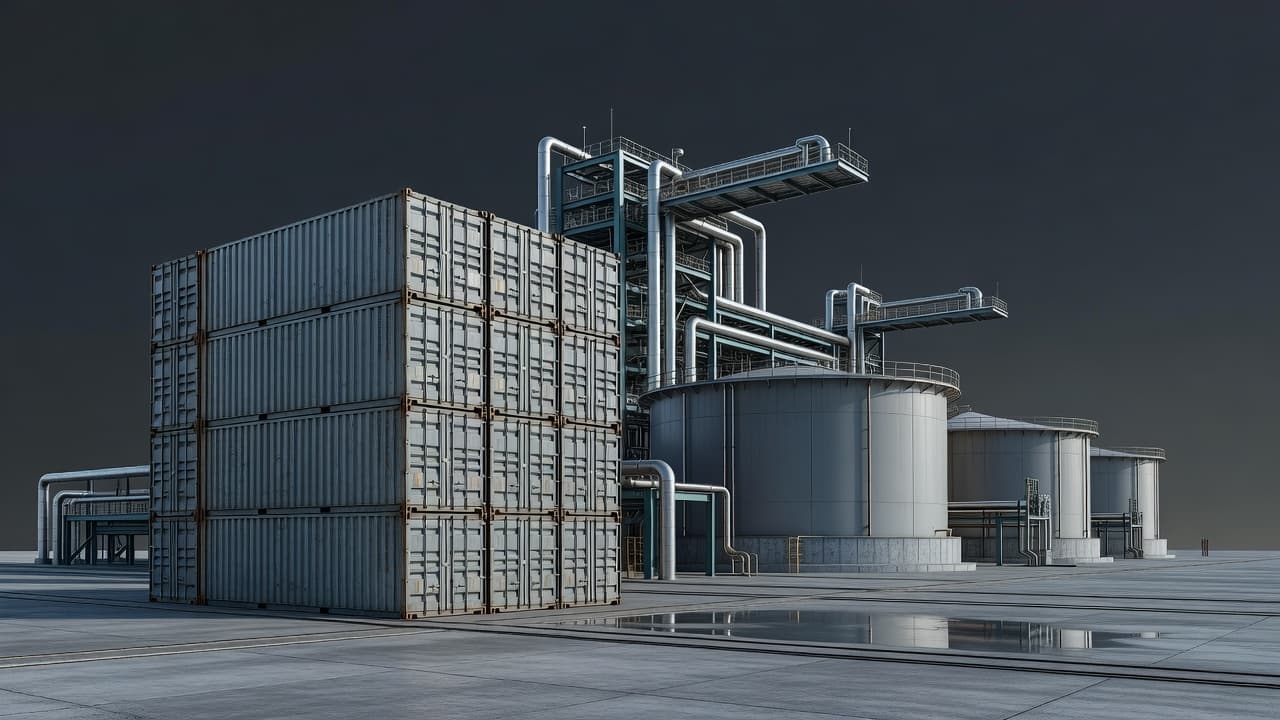
The ship was equipped with a state‑of‑the‑art cracking unit that converts ammonia to hydrogen and nitrogen in situ. The process operates at 450°C and 2‑5 atmospheres, producing 99.9% pure hydrogen suitable for fuel cells and refinery feeds.
Why Ammonia Matters in a Post‑Iran War Era
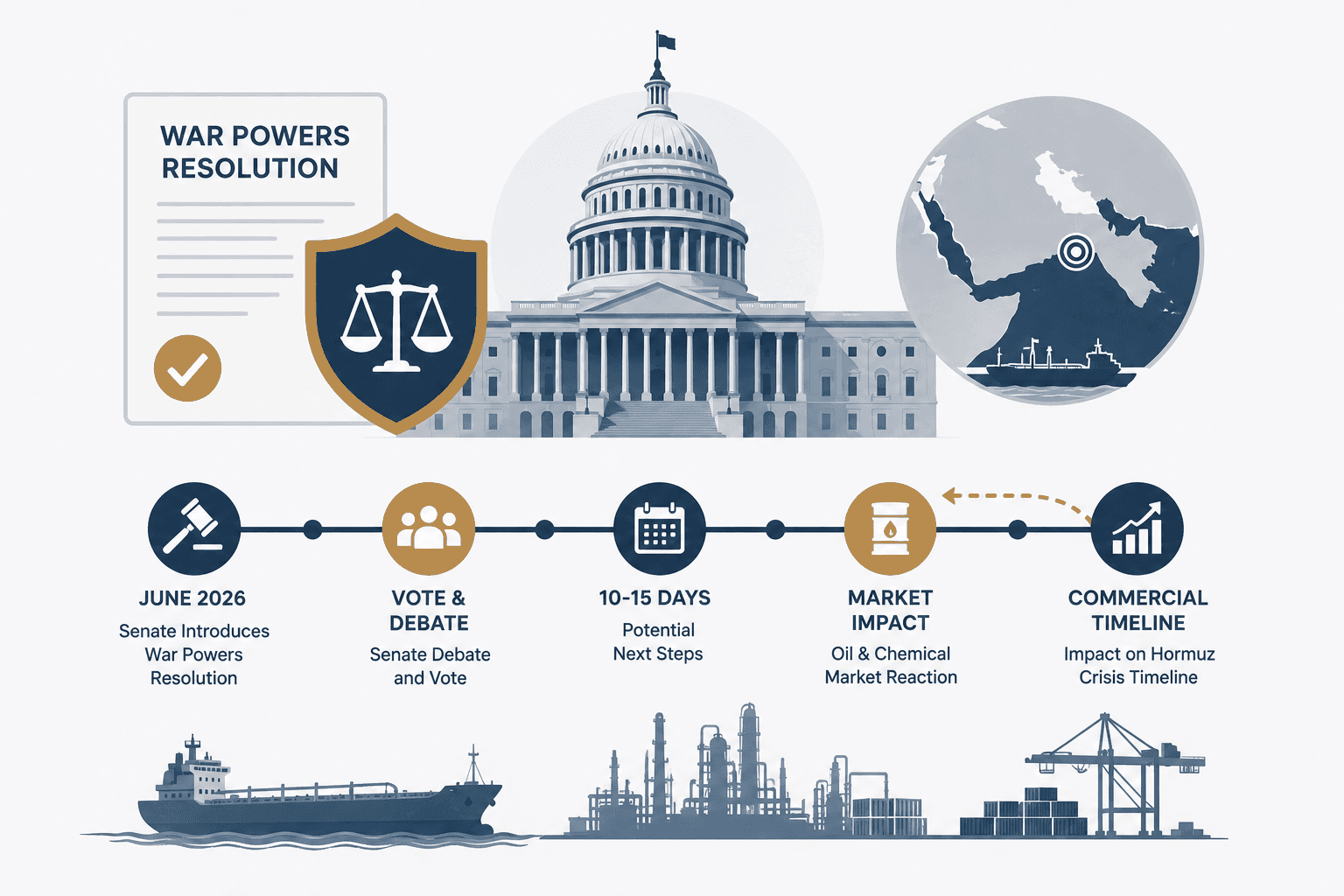
The recent conflict in the Middle East has disrupted conventional ammonia trade routes, underscoring the need for diversified supply chains. Ammonia’s dual role as a fertilizer and an energy carrier gives it a strategic edge:
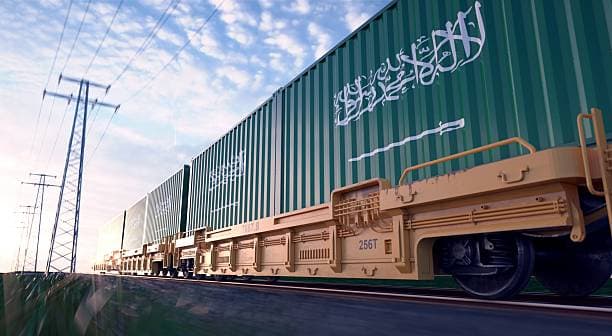
- Existing infrastructure: millions of tonnes of ammonia are already transported via pipelines, rail, and sea.
- High energy density: 17.6 MJ/kg compared to 3.6 MJ/kg for hydrogen gas.
- Storage safety: Ammonia can be stored as a liquid at ambient pressure, reducing infrastructure costs.
Investment Pulse: Green and Blue Ammonia Projects
Capital flows into green ammonia are accelerating. Idemitsu Kosan in Japan is moving forward with blue ammonia plants that use carbon capture to mitigate emissions. Meanwhile, Gulf producers are evaluating green ammonia export projects targeted at the European hydrogen market.
- Idemitsu’s 1.2 GW electrolyser project in Kyushu aims to produce 15,000 tonnes of green ammonia annually.
- Saudi Arabia’s NEOM project plans a 10 GW electrolyser, projected to supply 80,000 tonnes of green ammonia per year.
Implications for Chemical Traders
Traditionally, chemical traders have dealt with ammonia as a fertilizer commodity. The new hydrogen carrier use case opens a fresh demand channel. Traders should monitor:
- Pricing transparency between ammonia and hydrogen markets.
- Regulatory changes impacting ammonia transport and storage.
- Partnership opportunities with ammonia‑cracking vessel operators.
Strategic Recommendations
1. Diversify portfolios by adding green ammonia contracts.
2. Invest in downstream infrastructure, such as on‑shore cracking facilities.
3. Collaborate with shipping companies to secure preferential rates for bulk ammonia transport.
Looking Ahead
H‑Power’s successful cargo marks a turning point: ammonia is no longer just a fertilizer but a viable hydrogen carrier. As policy frameworks tighten and renewable capacity expands, the green hydrogen economy will increasingly rely on ammonia for bulk transport. Chemical traders who adapt early will capture significant upside in this emerging market.