

Calcium Chloride (E509) CAS: 10043-52-4

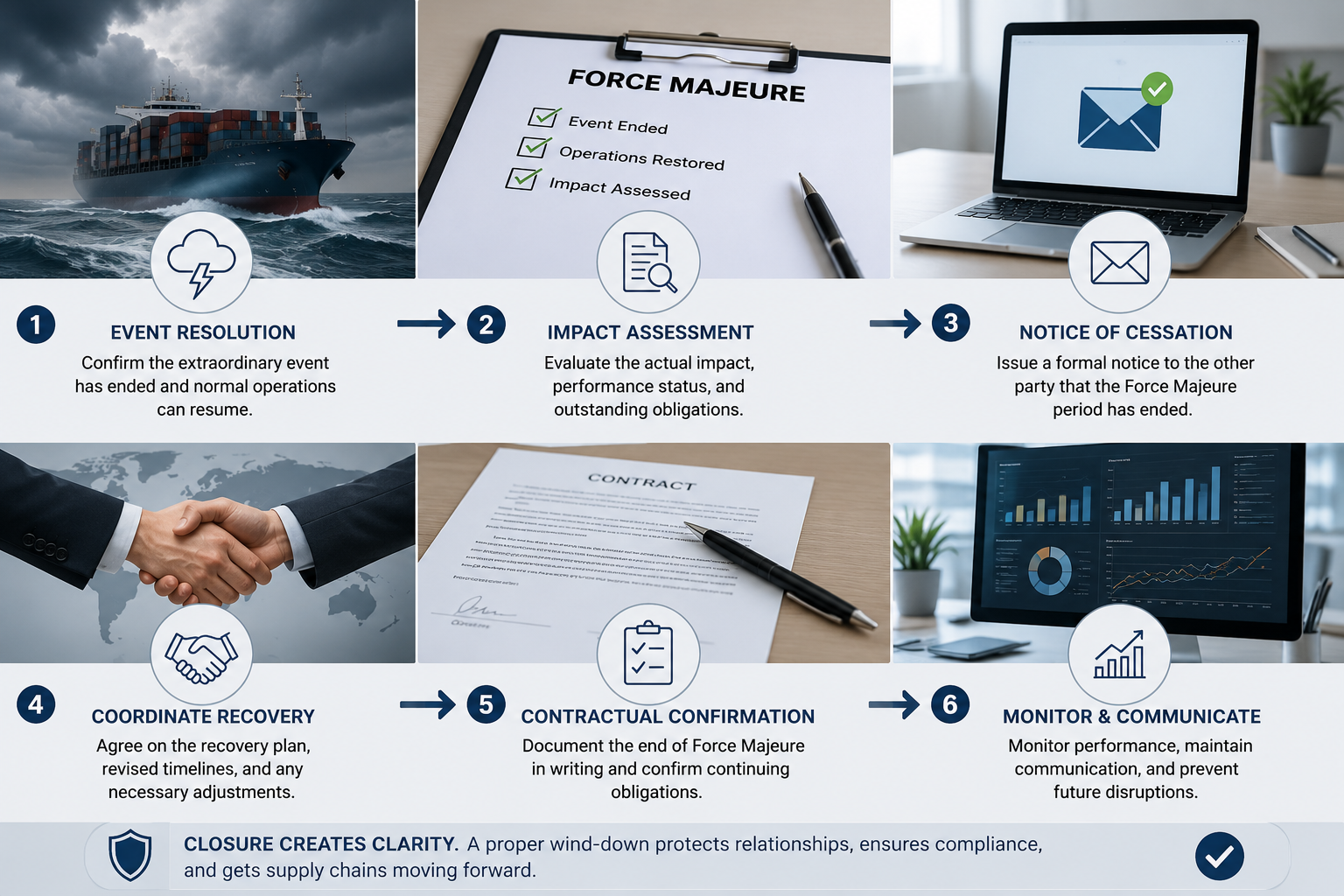
Prolonged geopolitical disruption is increasing the likelihood of force majeure declarations across energy and chemical supply chains. Procurement and legal teams should review contracts, supplier obligations and contingency plans before disruptions escalate.
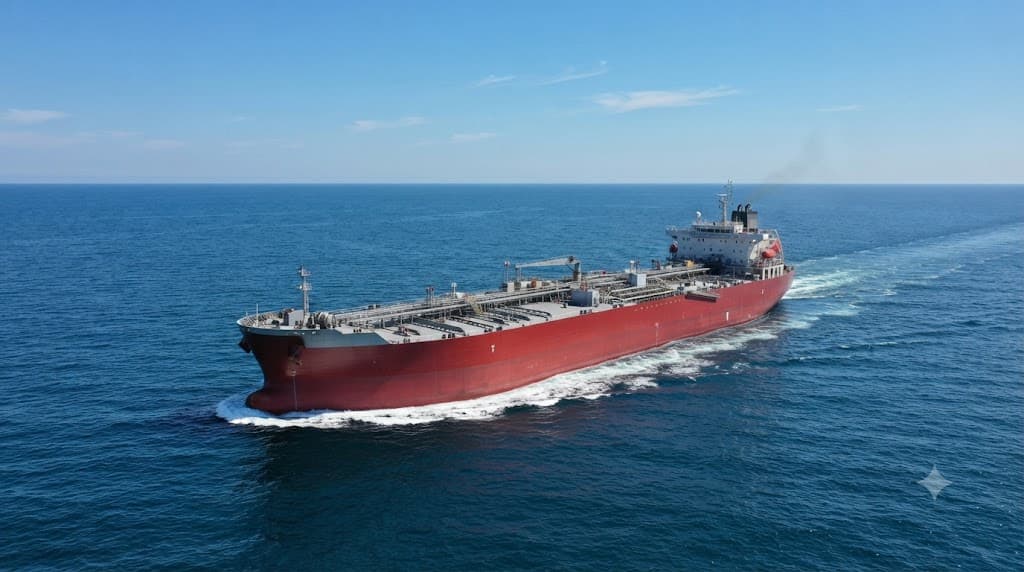
The current escalation has directly touched Iran, the US, Kuwait, the UAE, Oman, Jordan, Saudi Arabia and Yemen. Chemical buyers must rank this expanded footprint against past crises to adjust procurement strategies.
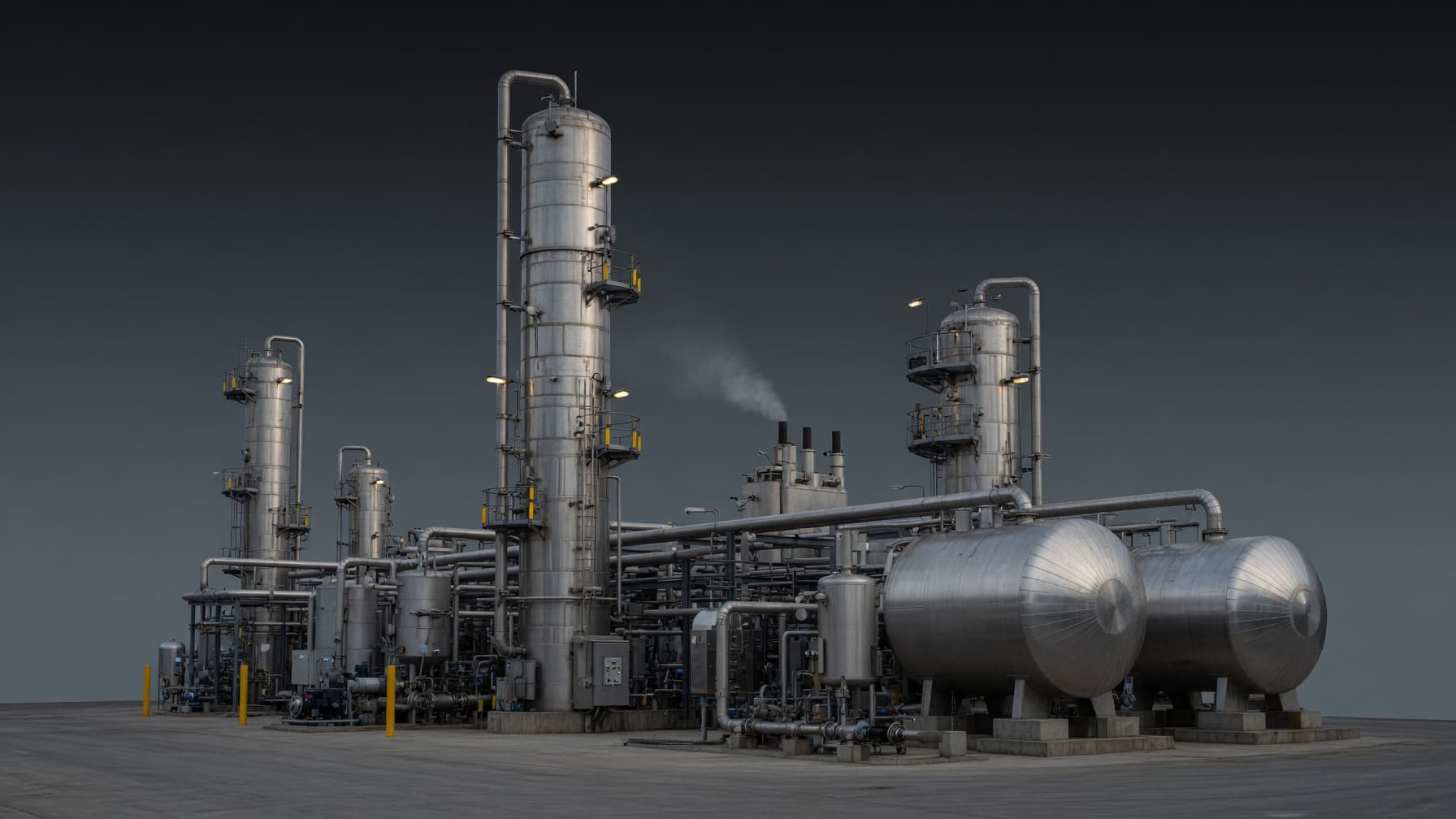
Chemical companies are entering 2026 with a renewed focus on cash flow, portfolio restructuring and selective investment rather than aggressive expansion. Procurement teams should understand how this strategy could affect production capacity, supplier priorities and long-term supply reliability.
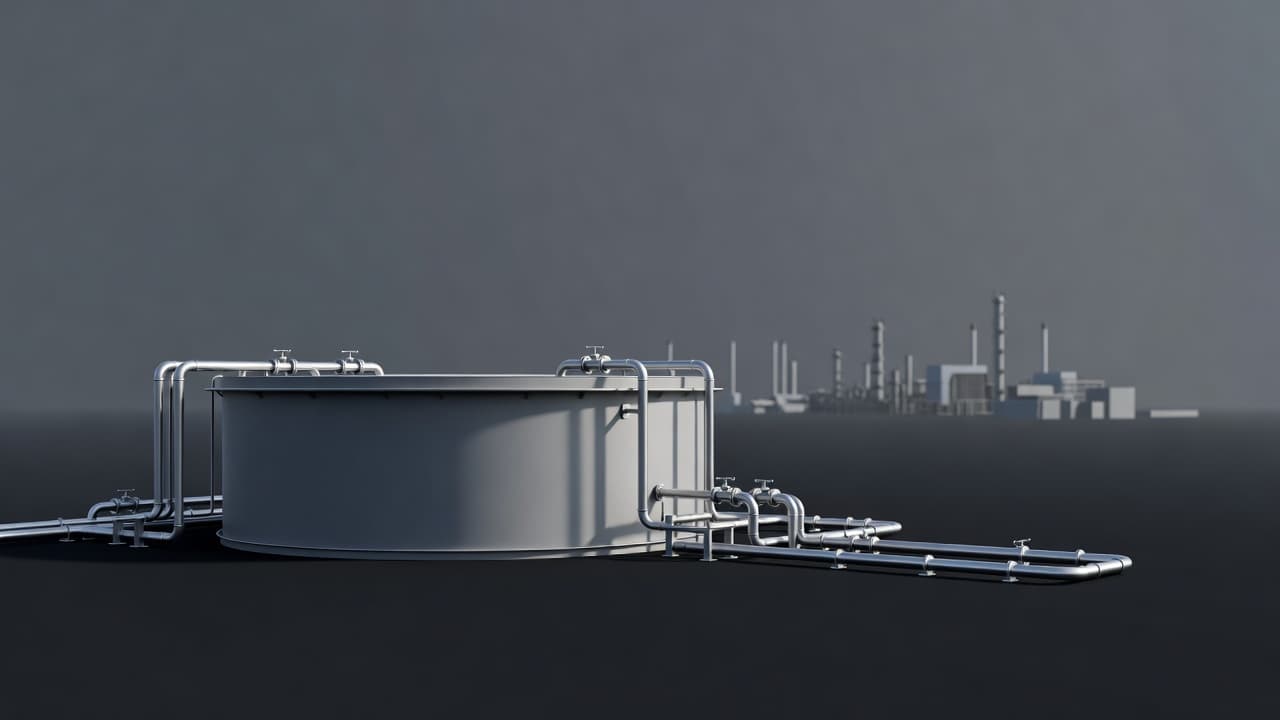
The Strait of Hormuz disruption is increasingly viewed as a long-term turning point rather than a temporary supply shock. Procurement teams are adapting sourcing strategies, supplier networks and inventory policies for a more resilient petrochemical supply chain.
Atradius expects global chemical production to grow by only about 0.6% in 2026, with continued geopolitical conflict potentially resulting in a 1.7% contraction. Procurement teams should prepare for tighter supply conditions, changing pricing dynamics and increased sourcing risks.
The PE and PP market outlook for 2026 remains shaped by slow supply recovery, ongoing risk premiums and Gulf production constraints after Hormuz disruptions. Buyers should prepare for a longer normalization period instead of expecting immediate returns to pre-crisis pricing.
We're committed to your privacy. Tradeasia uses the information you provide to us to contact you about our relevant content, products, and services. For more information, check out our privacy policy.