
Carbon Black (N110) - India CAS: 1333-86-4
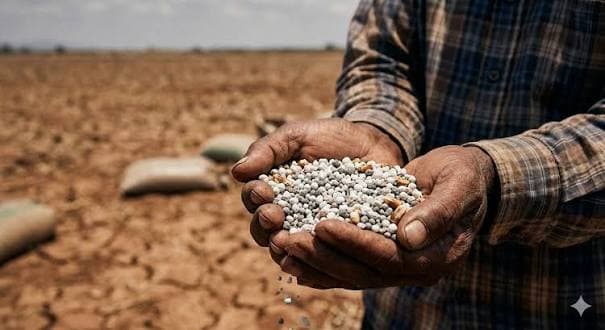
The Kiel Institute’s “Chemical-Food Cascade” framework explains how the 2026 Hormuz crisis is moving beyond chemical supply chains and into food inflation. Fertilizer disruption earlier this year may continue affecting corn, wheat, and sugar-based ingredient costs long after chemical logistics begin recovering.
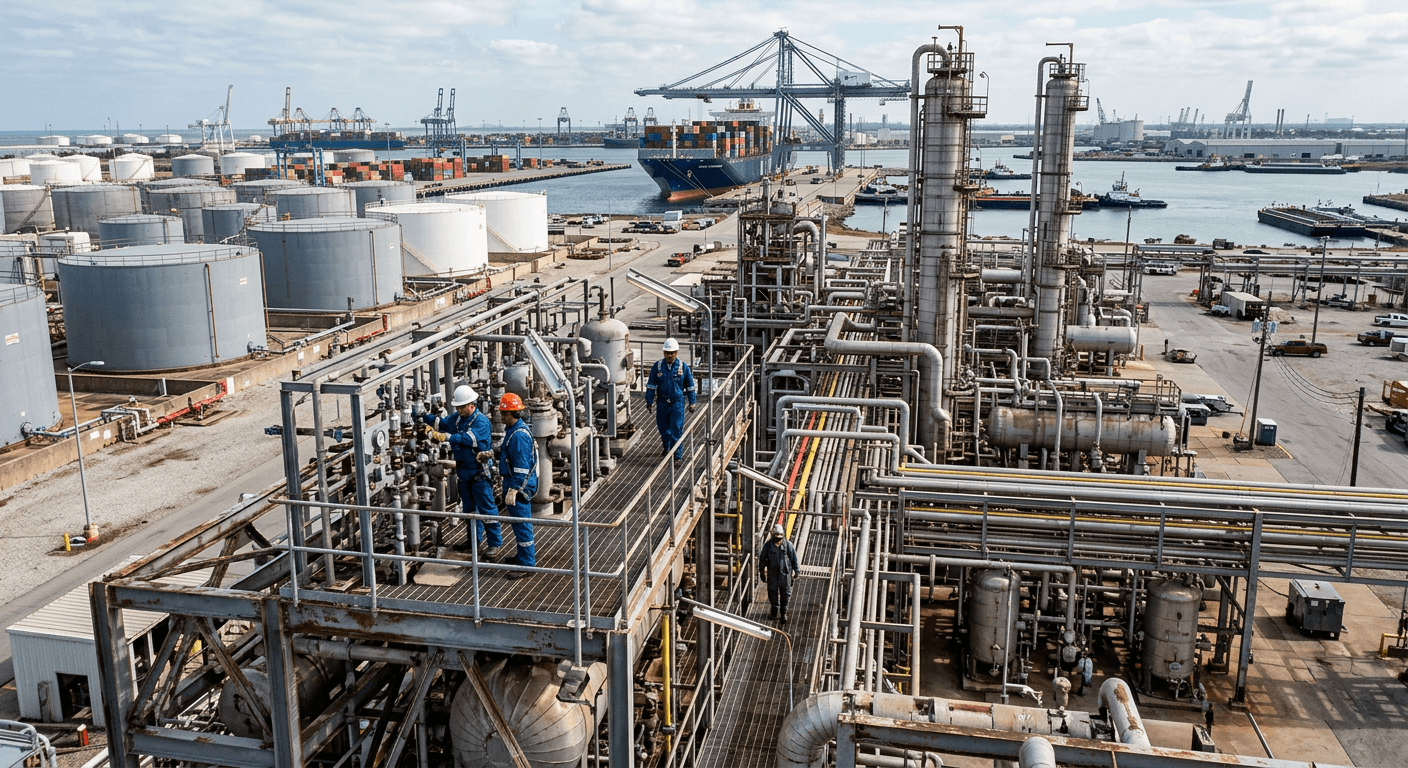
Formaldehyde and resin producers may see cost relief in H2 2026 as methanol prices ease and Gulf supply conditions improve. Buyers in construction, wood panels and adhesives should monitor the timing of resin price adjustments.

In H2 2026, China’s sucralose production remains robust while freight costs ease, giving buyers a strategic edge. Companies can leverage these trends to negotiate more favorable contracts and secure long‑term supply of food sweeteners.
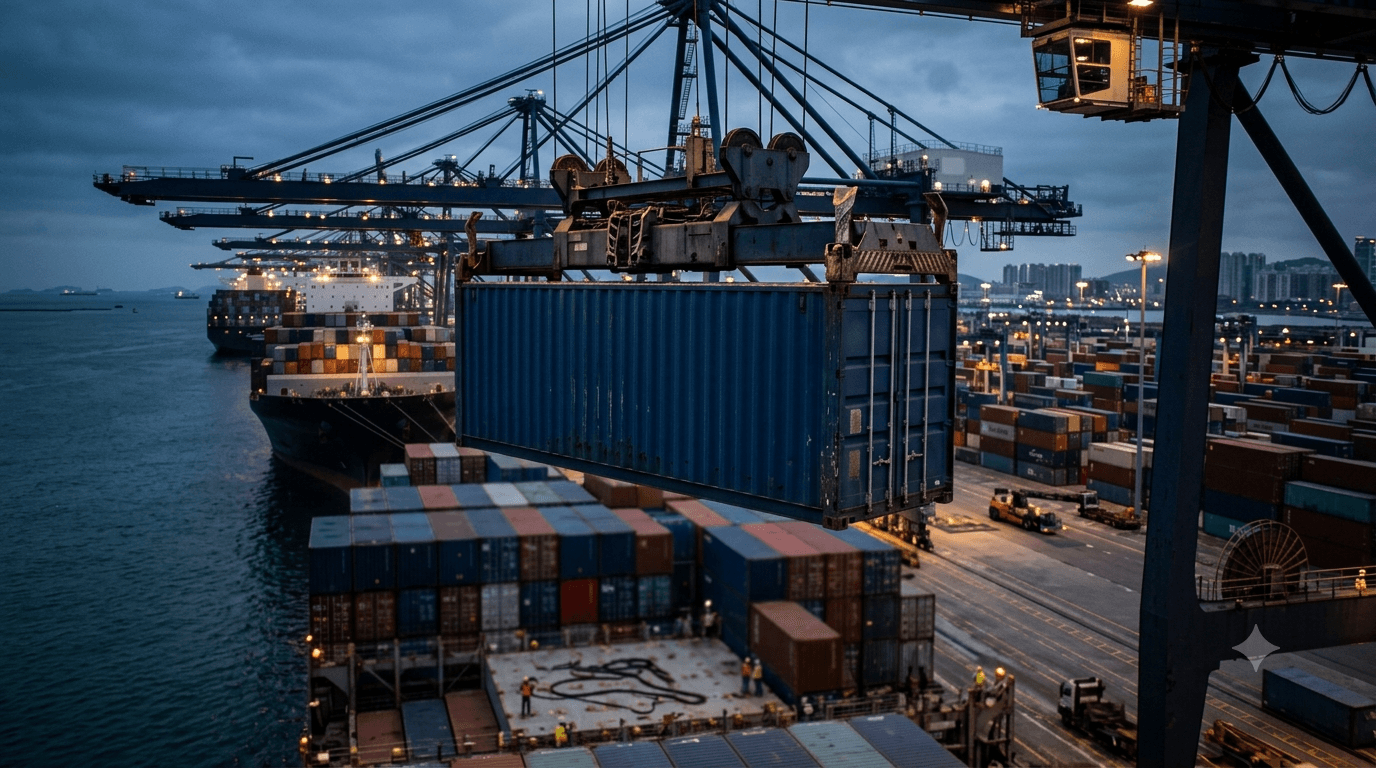
Falling crude oil prices are creating the first meaningful opportunity for lower food ingredient freight costs since February 2026. Buyers sourcing from China, Southeast Asia and India should begin freight-linked pricing discussions now before carriers adjust bunker surcharge
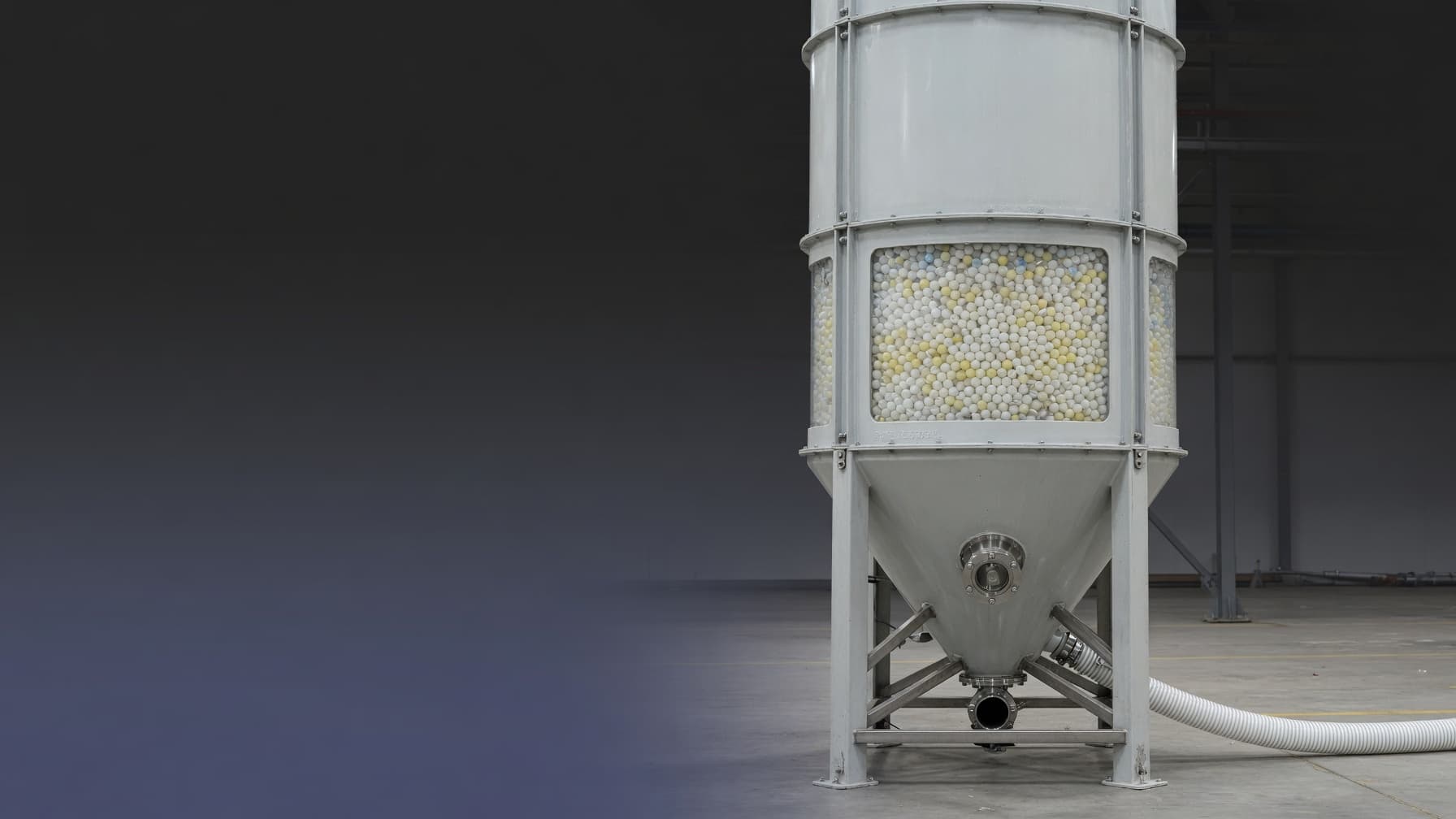
The PE and PP market outlook for 2026 remains shaped by slow supply recovery, ongoing risk premiums and Gulf production constraints after Hormuz disruptions. Buyers should prepare for a longer normalization period instead of expecting immediate returns to pre-crisis pricing.
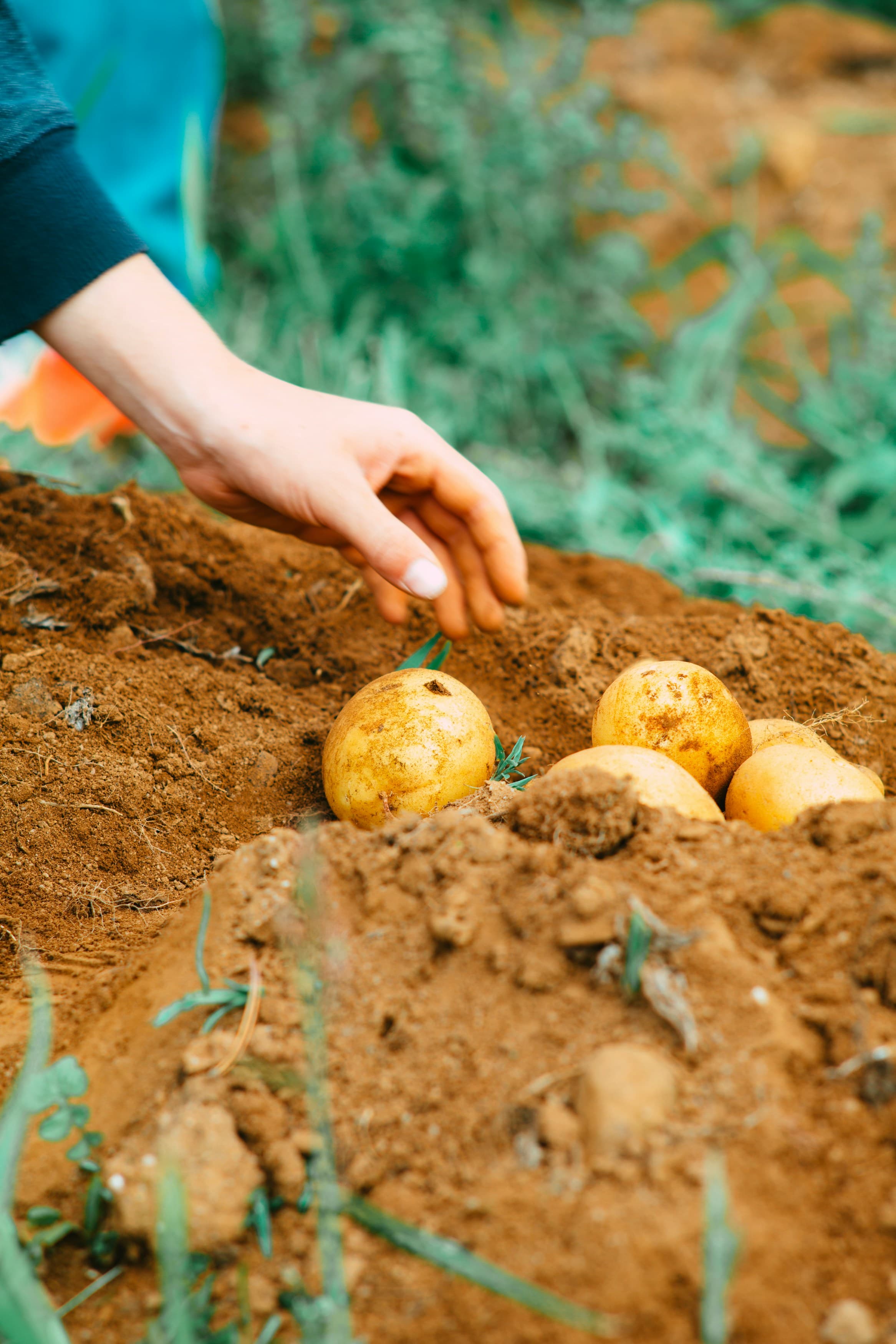
Food ingredient buyers continue to face elevated costs as Gulf supply chains recover from the Hormuz crisis and freight disruptions.
We're committed to your privacy. Tradeasia uses the information you provide to us to contact you about our relevant content, products, and services. For more information, check out our privacy policy.