
Related Insights
8.5 Million Barrels Still Crossed Hormuz on Sunday: Reading the Traffic That Remains
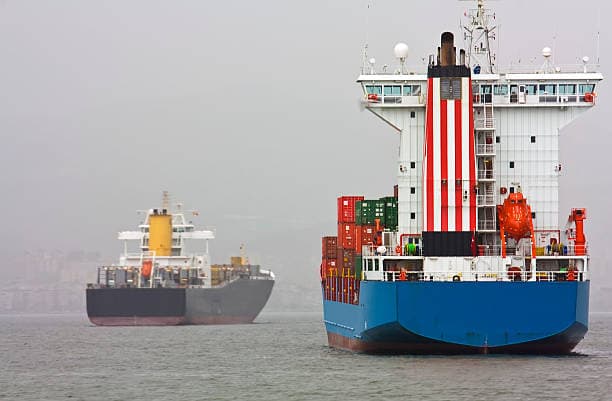
On Sunday, the Strait of Hormuz remained a bustling artery, with 8.5 million barrels of oil passing through. This steady flow offers insights into maritime capacity, energy logistics, and the resilience of chemical supply chains. The data reveals how global trade adapts to geopolitical tensions and shifting market demands.
Cape of Good Hope Eclipses Red Sea as Chemical Shipping’s New Default Route
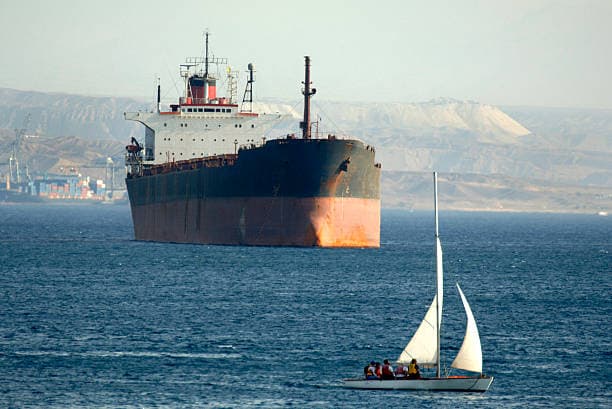
The Cape of Good Hope is emerging as the fallback route for chemical shipping as security risks in the Red Sea grow. This shift reshapes freight routes and impacts tanker logistics worldwide. Discover how maritime trade is adapting to new threats.
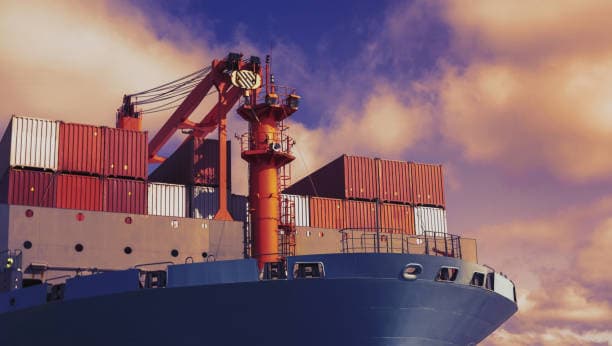
Freight Costs Poised to Retest Earlier Highs as Hostilities Resume
Renewed geopolitical tensions threaten to elevate freight rates once again, putting pressure on chemical shipping, fertilizer logistics, and procurement budgets. This article explains the drivers, the sectors most exposed, and strategies to mitigate the impact.
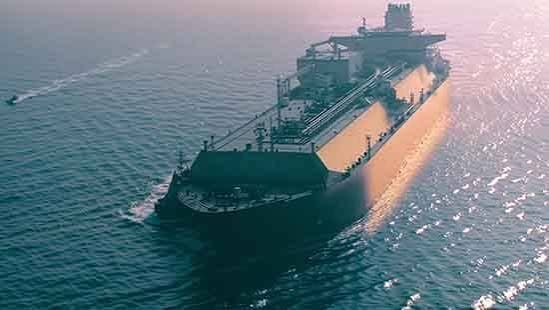
IMO's 49 Incidents: The Definitive Safety Record and What It Means for Chemical Tanker Risk
The International Maritime Organization has confirmed 49 security incidents across Hormuz and the Persian Gulf as of June 30, creating the most comprehensive official risk dataset of the 2026 shipping crisis. For chemical tanker operators and cargo buyers, this record now defines insurance underwriting and shipping risk calculations for H2 2026.
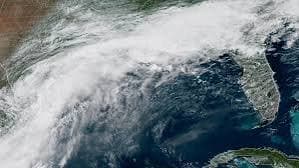
Tropical Storm Arthur and Domestic US Food Ingredient Supply: What Gulf Coast Chemical Disruption Affects
Tropical Storm Arthur’s July 1 Texas landfall is creating short-term supply chain risk for US food manufacturers dependent on Gulf Coast chemical production. Even temporary disruption at Eastman, Celanese, and regional logistics hubs could affect July deliveries of critical food-grade chemicals and processing aids.
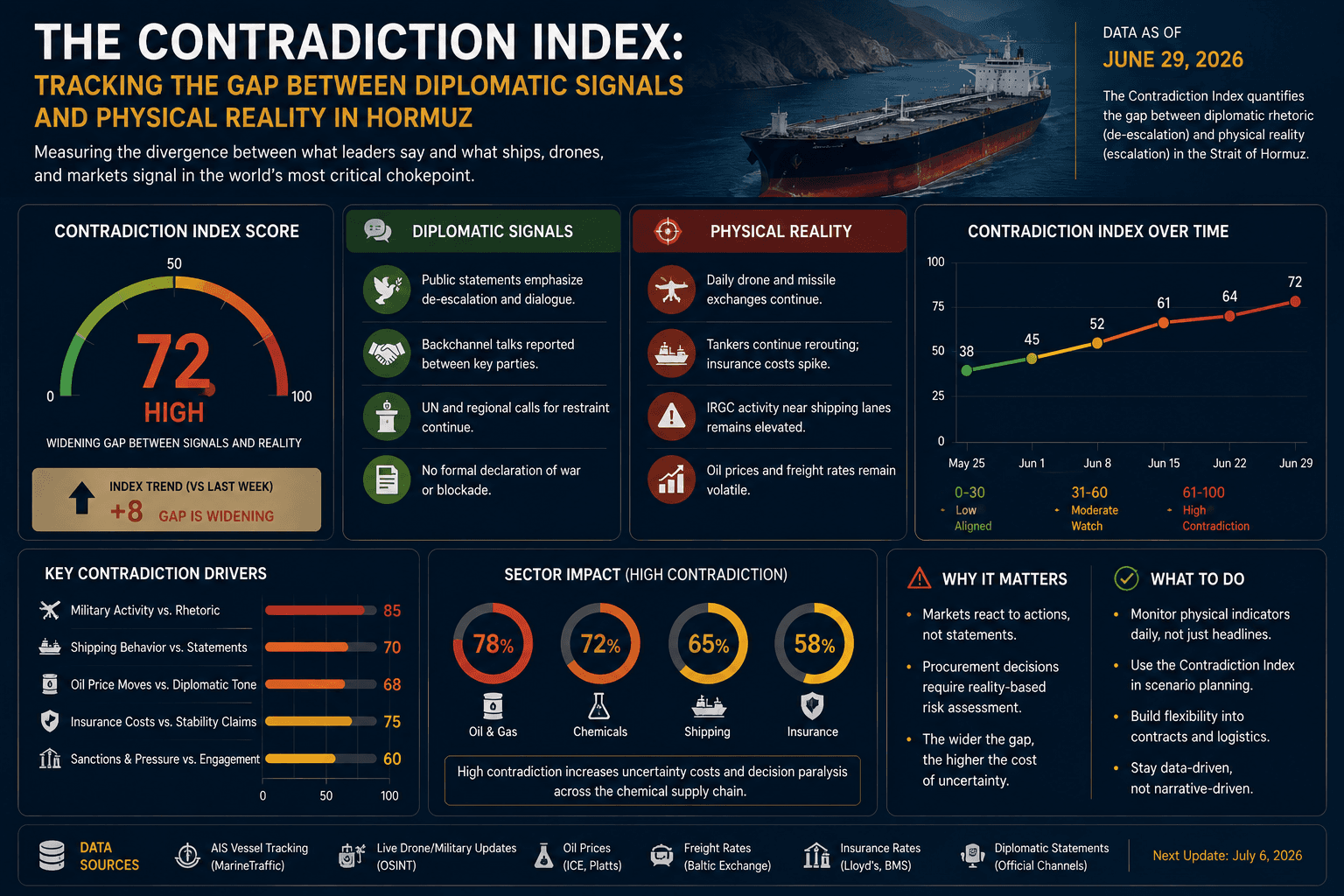
The Contradiction Index: Tracking the Gap Between Diplomatic Signals and Physical Reality in Hormuz
July 1 reveals the biggest contradiction of the Hormuz crisis so far: diplomacy suggests progress, but physical shipping data shows continued disruption. For chemical procurement professionals, understanding the gap between political signals and operational reality has become essential for making correct supply chain decisions.
Don't miss out on our updates! Subscribe to our newsletter now
We're committed to your privacy. Tradeasia uses the information you provide to us to contact you about our relevant content, products, and services. For more information, check out our privacy policy.