
Potassium Sulphate - Indonesia CAS: 7778-80-5
Potassium Sulphate - Indonesia CAS: 7778-80-5
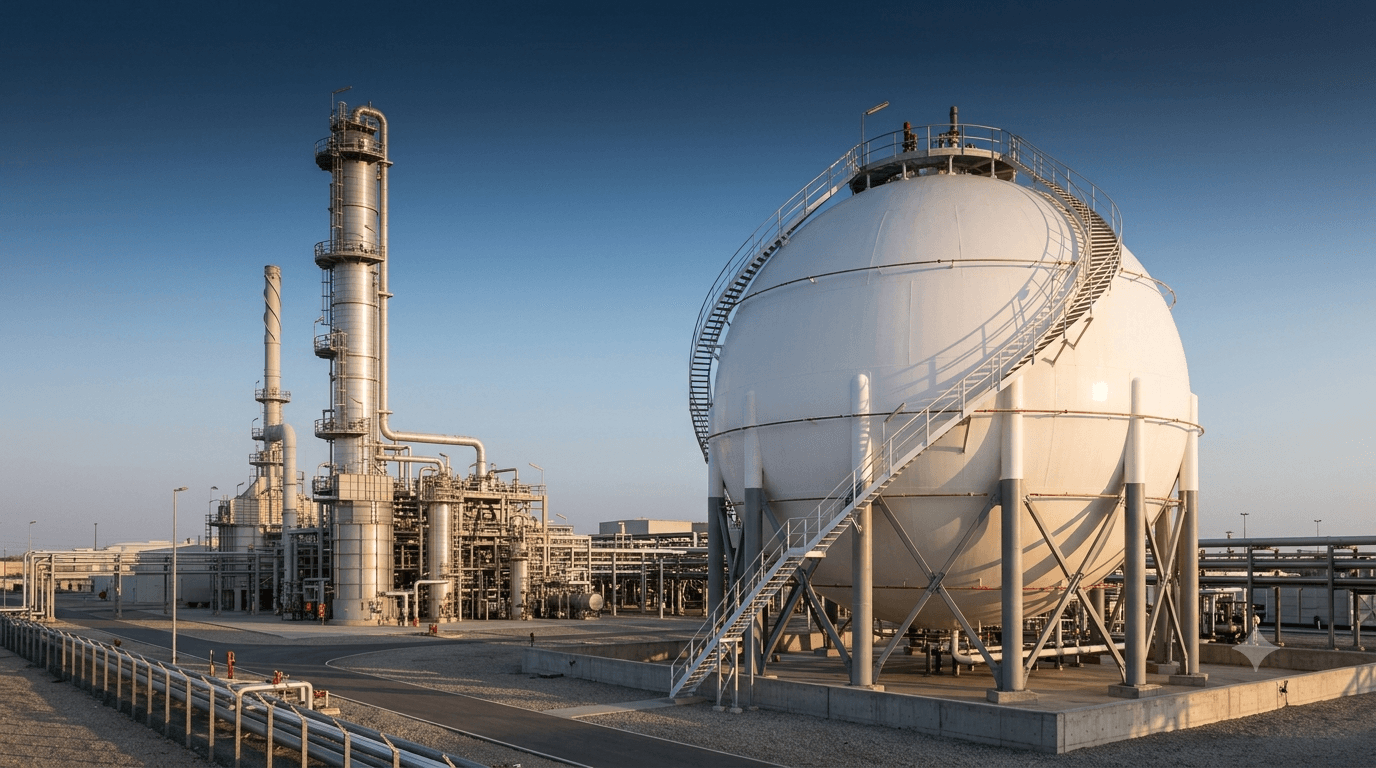
The 2024 Hormuz crisis exposed fragilities in global feedstock supply chains, spotlighting the resilience of post‑consumer recycled chemicals. This article explores how domestic circular feedstocks reduce procurement risk, advance sustainability, and strengthen the circular economy.
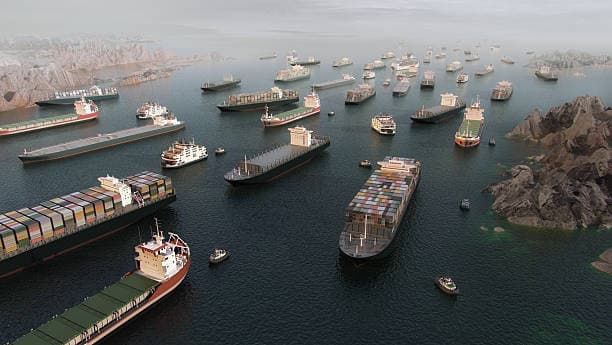
Wood Mackenzie's latest market assessment suggests the Hormuz disruption could permanently reshape global chemical production. Procurement teams that identify supplier risks early and qualify alternative sources now will stand in a stronger position as supply tightens.
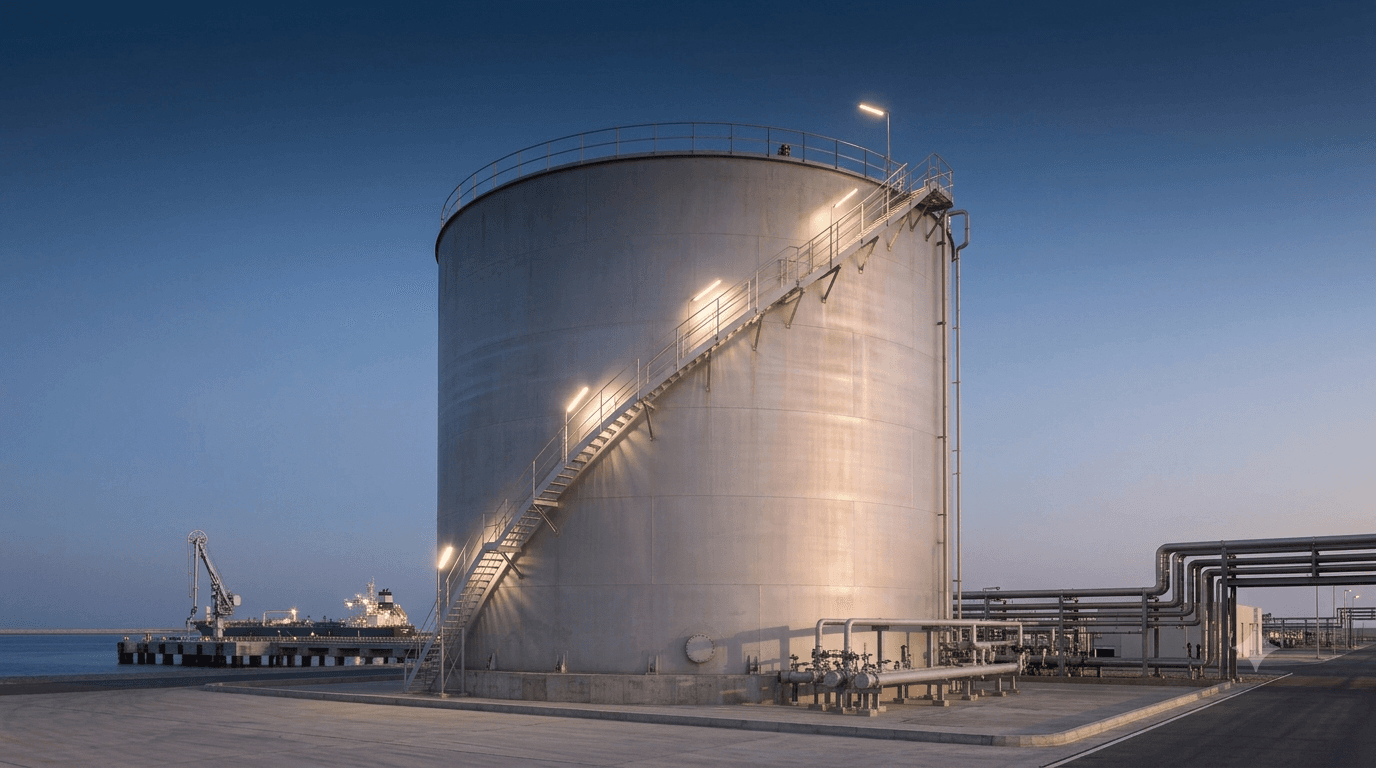
Thailand's emergency fuel export ban highlighted how government intervention can rapidly disrupt downstream chemical supply chains. Procurement teams that rely on Thai petrochemical exports can use this case to strengthen sourcing strategies and reduce exposure to sudden market shocks.
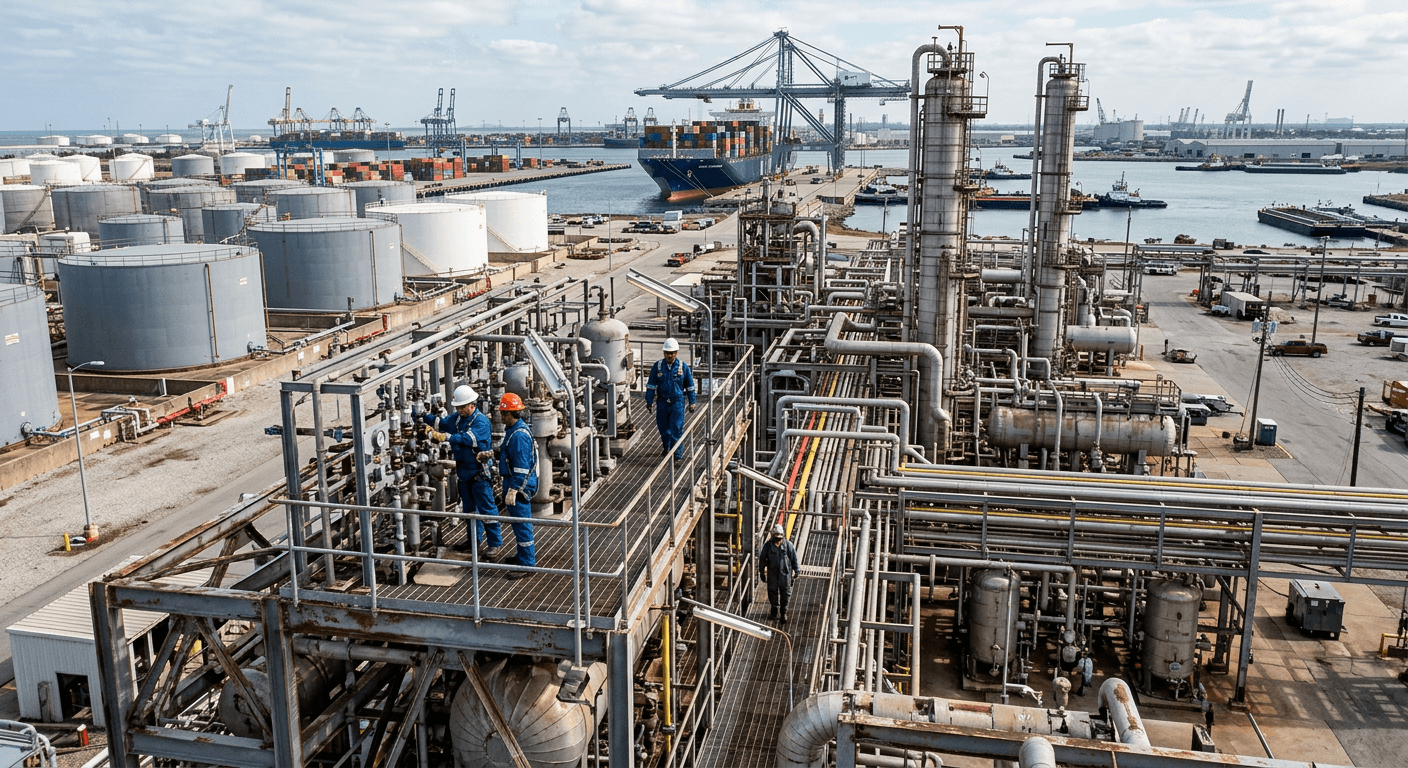
Doha Talks Today has become a key market signal for chemical buyers watching Gulf trade routes, energy flows and supply stability. This venue shift may influence procurement decisions as traders assess risks across major chemical exporting regions.

Hospital pharmacies are entering H2 2026 with improving supply conditions after months of inventory pressure. Q3 is expected to become the largest pharmaceutical chemical restocking period since before the Hormuz crisis.
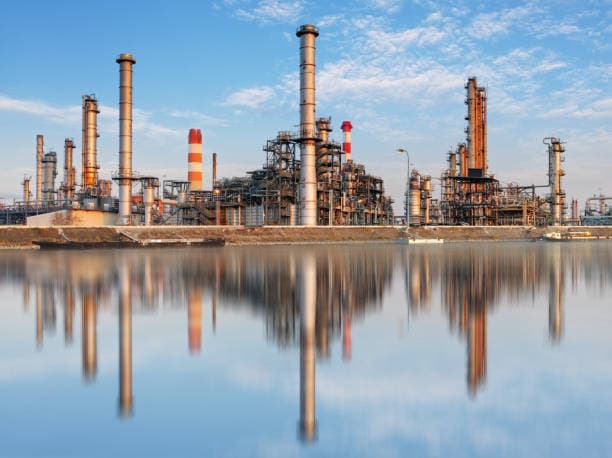
As the Hormuz crisis reshapes global oil flows, India’s ONGC is evaluating Venezuelan crude to secure feedstock for its expanding refinery network. This move signals a broader strategy to diversify imports and stabilize the country’s petrochemical supply chain by 2026.
We're committed to your privacy. Tradeasia uses the information you provide to us to contact you about our relevant content, products, and services. For more information, check out our privacy policy.